Motivation is a System, Not a Spark: How to Build Consistency Without Giving Up Privacy
We’ve all been there. You start a new project with 100% energy, but two weeks in, the "initial hype" fades. You realize that relying on motivation is a trap. If you wait to feel like doing the work, you've already lost.
The reality? Motivation is a feedback loop. It doesn't start the engine; it's the heat the engine produces once it's already running. To keep it running, you don't need "inspiration"—you need a system that manages your events, tasks, and routines without adding friction.
The Problem with Most Productivity Stacks
Most tools treat your life like a static to-do list. But for those of us building products or working irregular shifts, life is fluid. You have routines that shift, tasks that overlap with events, and a desperate need for a clear "time flow."
But there’s a bigger catch: Privacy. In an era where every "free" app wants to mine your schedule to sell you ads, keeping your data local and private isn't just a preference—it’s a necessity for focus.
Enter Oria: Managing the Flow
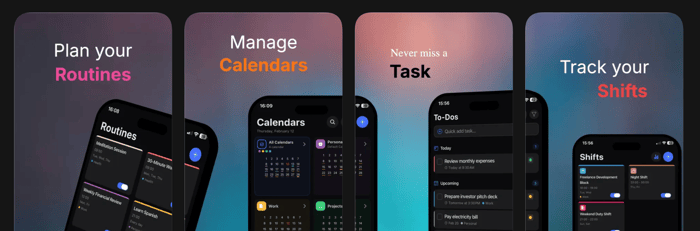
I’ve been looking into how to bridge the gap between "what I need to do" and "when I actually do it." Oria handles this better than most by treating routines as the backbone of your day.
Here’s why it hits different for the indie hacker mindset:
- Routine Integration: It doesn't just list tasks; it helps you visualize your "shift" and "routine" flow.
- Privacy First: It respects your data. No creepy tracking or cloud-heavy bloat. It feels like a tool, not a data-mining operation.
- Zero Friction: The UI is designed to get you in and out so you can actually get back to work.
Stop Chasing Motivation
If you want to stay consistent, stop looking for "the spark." Design a routine that makes the work inevitable. Manage your time quality, not just your clock.
Check out Oria if you’re looking for a way to organize your flow without sacrificing your privacy. It’s a solid piece of kit for anyone trying to turn chaos into a repeatable system.
Happy building.

The “motivation is the heat, not the spark” framing is strong.
I think the interesting angle here is the combination of routine structure + privacy, because a lot of productivity tools only really optimize one of those. The hard part is proving where that combination wins in daily use, not just in philosophy.
Taha, reframing motivation as the "heat produced by the engine" rather than the starter is a powerful shift for anyone in the building phase. By prioritizing routine integration over static to-do lists and maintaining a strict privacy-first stance, Oria effectively bridges the gap between chaotic creative energy and the repeatable systems required for long-term consistency.
I’m currently running Tokyo Lore, a project that highlights high-utility logic and validation-focused tools like yours. Since you’re building the definitive platform for turning productivity into an inevitable system, entering Oria could be the perfect way to turn your own validation journey into a winning case study while your odds are at their absolute peak.