MOVIE RATINGS: MORE THAN MEETS THE EYE! (How They Impact *You* in the Digital World)
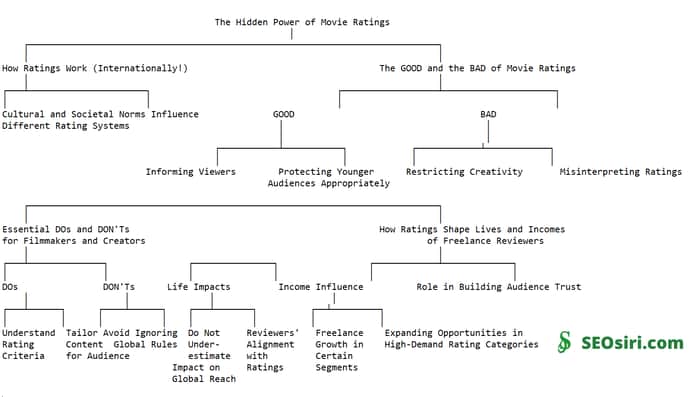
Ever wondered what those little letters next to a movie title really mean? G, PG-13, R... They're more than just age recommendations. They're a powerful force in the film industry, and their impact ripples across the entire digital landscape, affecting everything from marketing campaigns to YOUR career as a freelancer.
This guide will uncover the hidden power of movie ratings. We'll explore:
- How ratings work (internationally!)
- The GOOD and the BAD of movie ratings.
- Essential DOs and DON'Ts for filmmakers and content creators.
- How ratings shape the lives (and incomes!) of freelance film reviewers.
Ready to dive in?
UNDERSTANDING THE GLOBAL MOVIE RATING GAME
It's a global system but with local flavors. The core idea? Guidance on a film's suitability for different ages.
In the US, the Motion Picture Association (MPA) makes the decisions. In the UK, the British Board of Film Classification (BBFC) does the same. Canada, Australia, and most other countries have their own government-run and industry-led systems.
Is getting a rating required? In the US, it's technically voluntary, but try getting your film into a major theater without one! In the UK, it's the law.
How do they decide? Rating boards (parents in the US, trained professionals in the UK, and various setups elsewhere) watch the entire film. They meticulously analyze the following aspects, always considering the overall context:
- Violence: They assess the intensity, frequency, realism, and graphic detail of any violent acts.
- Sex/Nudity: They evaluate the explicitness, context, and purpose of any sexual content or nudity.
- Language: They consider the frequency, type, and context of any profanity or offensive language.
- Drug Use: They examine how drug use is depicted, including whether it's glorified or shown with negative consequences.
- Overall Theme: They analyze the film's overarching themes and messages, considering their potential impact on viewers.
- Horror elements: They gauge the level of fear, threat, and disturbing imagery presented.
- Discrimination: They assess whether the film promotes or portrays discrimination based on race, religion, gender, etc.
- Imitable Behaviour: They look for depictions of dangerous acts that viewers, especially children, might be tempted to imitate.
MOVIE RATINGS: MORE THAN MEETS THE EYE!
Read more- https://www.seosiri.com/2025/03/movie-ratings.html
