Not everything needs a human touch (and that’s okay)
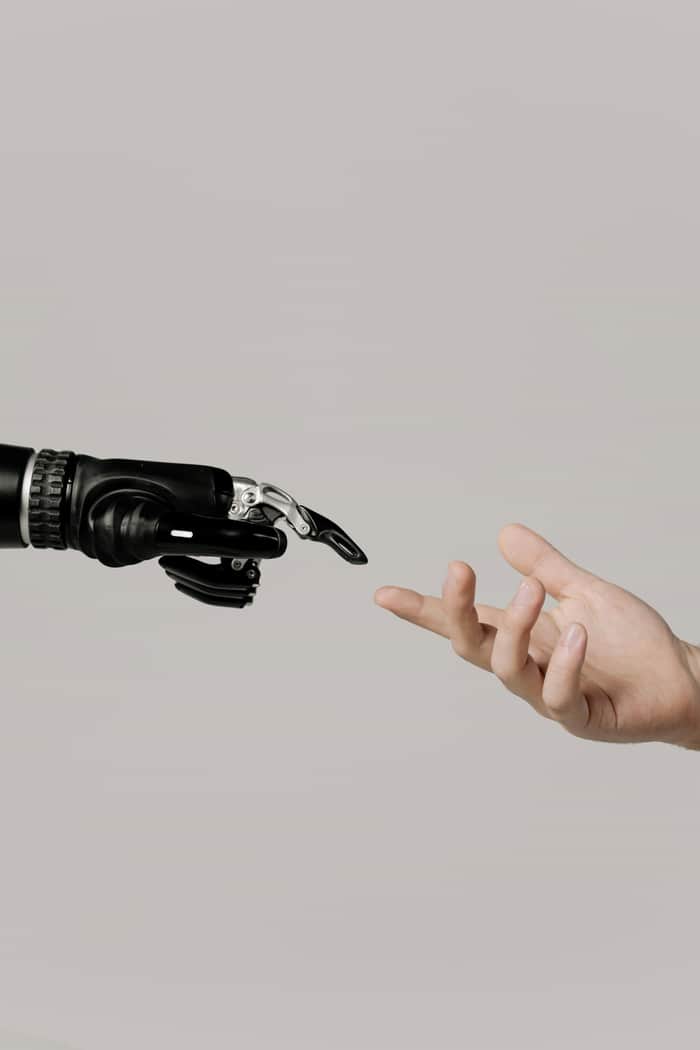
It felt wrong to automate… until it felt stupid not to.
For the longest time, I resisted using automation in anything client-facing.
I thought it made things feel cheap. Impersonal. Lazy.
So I did it all by hand—every email, every chat reply, every lead follow-up. I thought that made me better. More authentic.
And maybe for a while, it did. But eventually, that belief started to crack. Not because I stopped caring about quality, but because I realized I was spending most of my time on stuff that didn’t need me.
Where it broke down
The shift happened during a launch last year.
Traffic spiked. Inbound doubled. I was bouncing between bug fixes, onboarding calls, and trying to manually qualify every lead that came in.
It was chaos. I missed messages. Follow-ups slipped through. A few solid leads ghosted before I could even respond.
I realized I was protecting the wrong thing.
The bot that saved my inbox
I set up a simple AI chatbot using NoForm AI.
Took a few moments to get it live. It asked a few qualifying questions, answered some common ones, and helped with booking calls.
It didn’t pretend to be me. It didn’t try to close deals.
It just caught things I was dropping—and gave me room to breathe.
And that changed everything.
What changed (and what didn’t)
Since adding a few basic automation layers, here’s what’s actually shifted:
- Lead quality went up. Because the chatbot filtered out the noise, I started having fewer—but better—conversations.
- First-response time dropped to under 30 seconds. That alone made a noticeable difference in engagement.
- I stopped dreading my inbox. Which probably added 3 years back to my life.
But here’s what didn’t change:
- I still do all the sales calls myself.
- I still write the onboarding sequences.
- I still review every qualified lead that comes in.
Automation didn’t replace me. It just cleared the path.
Takeaways for other solo builders
A few honest lessons from the mess:
1. Real-time matters more than personalization
I used to obsess over crafting the perfect message. But a fast, helpful response—even if it’s from a bot—beats a beautifully written email that arrives 12 hours too late.
2. “Not everything needs your fingerprints”
This one took me a while to accept. But honestly? If a machine can handle 80% of the interaction and route the rest to me, that’s a gift.
3. Automation isn’t lazy—it’s selective
It’s not about avoiding work. It’s about protecting your energy for the parts where your judgment, empathy, or strategy actually move the needle.
My low-lift setup (screenshot-worthy if anyone’s curious)
Here’s how I’ve kept it simple:
- AI chatbot: Handles first-touch site interactions. Captures name, intent, contact method.
- Lead scoring automation: If a user fits certain criteria (based on tags, behavior, or responses), I get a ping and a short summary on my email and also in Slack.
- Call scheduling: Qualified leads get a Calendly link automatically—no back-and-forth.
Each part took an hour or two to set up. No dev work needed. No APIs unless I wanted to get fancy.
And because it’s simple, it doesn’t break.
On letting go of the guilt
There’s a weird shame sometimes when you’re a solo builder and you stop doing things the “handcrafted” way.
You feel like you’re selling out by automating the parts you used to pride yourself on.
But I think the bigger mistake is holding onto everything out of ego—or fear.
If you want to stay lean and keep going long-term, you’ve got to build systems that don’t rely on you showing up 24/7.
Not because you want to disconnect.
But because you want to stay connected to the right things.
Final thought
It took me too long to realize this:
You don’t owe every prospect a perfectly written email or a personally typed response.
What you do owe them is clarity, respect for their time, and a helpful next step.
If a bot can deliver that faster and more consistently than you can in the middle of a launch-day panic? That’s not selling out. That’s building smart.
Let the tools carry the low-stakes stuff so you can actually show up for the work that counts.
