Nursery School Enrollment Guide for Busy Parents
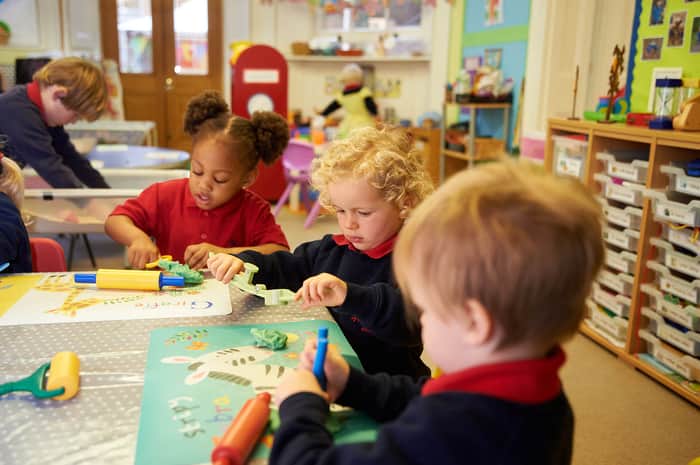
Nursery school gives your child a structured, social learning environment before formal schooling begins. You’ll learn how nursery programs build basic skills—language, motor, and social-emotional—through play and guided activities so you can choose the right fit for your child.
This post nursery schools will show the common educational approaches you’ll encounter, what typical daily routines look like, and which questions to ask when comparing programs. Use this guide to match your child’s needs and your family’s priorities with a nursery school that supports healthy development and smooth transitions to primary school.
Core Educational Approaches
You’ll find approaches that shape daily routines, the physical classroom, and the expertise of staff. These elements determine how children learn social skills, early literacy, numeracy, and self-regulation through planned and spontaneous experiences.
Early Childhood Curriculum Models
Choose curriculum models that match your goals for children’s development and family expectations. Popular options include play-based curricula that prioritize child-led exploration, Montessori methods that emphasize hands-on materials and independence, and Reggio Emilia-inspired approaches that focus on documentation and project work.
Look for clear learning goals across domains: language, motor skills, social-emotional development, and early mathematics. A strong curriculum blends intentional teacher-led activities (planned phonological awareness or counting games) with open-ended play that fosters creativity and problem solving.
Ensure assessment practices are observational and developmental, using learning journals, checklists, or portfolios rather than heavy testing. Align curriculum sequences with local standards or the EYFS if you’re in the UK, and communicate expected milestones to parents so they can support learning at home.
Classroom Environment and Learning Spaces
Design spaces that support independence, safety, and purposeful interaction. Arrange distinct areas for quiet reading, messy art, sensory play, and group circle time. Use low shelving, labeled bins, and reachable materials so children can choose activities and manage transitions themselves.
Prioritize natural light, soft furnishing, and clear sightlines so staff can supervise while remaining responsive. Include outdoor access for daily exploration; nature-based activities build motor skills, risk assessment, and sustained attention. Rotate materials regularly to sustain interest and scaffold new skills.
Set clear routines and visual schedules to reduce anxiety and build self-regulation. Display children’s work and learning prompts at eye level to reinforce identity and invite inquiry.
Qualified Teaching Staff
Hire educators with early childhood qualifications and ongoing professional development in child development and pedagogy. Look for staff trained in observation-based assessment, inclusive practices, and managing transitions for mixed-age groups.
Maintain low staff-to-child ratios to enable individualized attention, language-rich interactions, and prompt responses to social conflicts. Encourage mentoring and peer coaching so newer practitioners adopt effective strategies—explicit modeling of questioning techniques and scaffolding improves learning outcomes.
Require safeguarding training, first aid certification, and culturally responsive practice. Regularly review staff performance with evidence from observations, child progress records, and family feedback to ensure continuous improvement.
Choosing the Right Program
Focus on concrete, observable factors: how the school protects children day-to-day, how easy it is for your family to arrive and depart, and how the school connects with families and local resources.
Assessing Safety and Hygiene Standards
Check licensing and inspection records first. Ask for the most recent inspection report and any corrective action plans; verify credentials with your local regulator.
Observe arrival, nap, and meal routines. Are staff supervising playgrounds from multiple vantage points? Do caregivers follow hand-washing and diapering protocols visibly and consistently?
Look for clear illness policies and medication procedures. Confirm how the school notifies parents about outbreaks and whether they require up-to-date immunizations or physician notes for return after illness.
Review staff training and background checks. Ask whether employees have current pediatric first aid/CPR, safe sleep training (if applicable), and completed criminal-background screening that meets your jurisdiction’s standards.
Location and Accessibility Considerations
Map your commute times at drop-off and pick-up hours. Visit during those times to measure traffic, parking availability, and any bottlenecks that could waste your time or create safety risks.
Evaluate building access and entrances. Is the main entry secure with controlled access? Are routes stroller-friendly and clear of steep steps or long, uneven walks?
Consider schedule fit and program hours relative to your work. Ask about late-pickup policies, emergency care options, and whether the school offers flexible start times or extended care.
Check nearby services that matter to you. Proximity to your home, workplace, emergency medical services, and public transit can simplify logistics and improve responsiveness in urgent situations.
Community Engagement Opportunities
Ask how the school involves families in learning and decision-making. Look for structured touchpoints such as scheduled conferences, volunteer days, or regular family workshops.
Review communication channels and frequency. Does the school use daily reports, apps with photos and updates, newsletters, or parent portals? Timely, specific communication builds trust.
Evaluate partnerships with local organizations. Schools that bring in community specialists—speech therapists, library programs, or local artists—expand learning without overburdening staff.
Notice parent-to-parent connections. Does the program host social events, support groups, or informal networks that let you share resources and coordinate childcare or carpooling?
