One Piece TCG Beginner’s Guide: How to Start Collecting and Playing
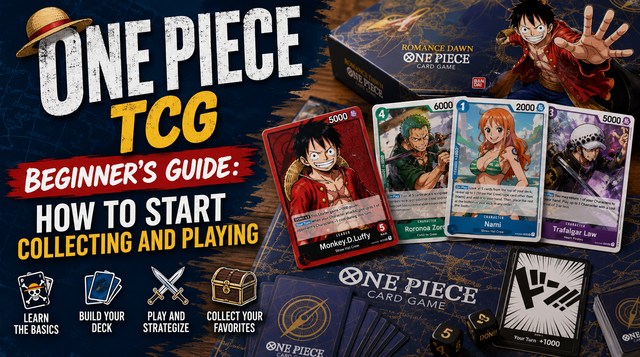
The One Piece Trading Card Game has become a favorite among anime fans, collectors, and card players. It combines memorable characters, strategic gameplay, artwork, and collectible cards. For a beginner, the number of sets, card types, deck colors, and rules can feel confusing.
This guide explains how to begin collecting and playing the One Piece TCG without wasting money. Whether you want a display collection, casual matches, or tournaments, a step-by-step approach will help you enjoy the hobby.
Understanding What the One Piece TCG Is
The One Piece TCG is a two-player game based on the manga and anime created by Eiichiro Oda. Players build decks around Leader cards and use Character, Event, and Stage cards to reduce the opponent’s Life cards.
Each deck uses one or more colors. These colors influence its strategy, available characters, and play style. Some decks focus on aggressive attacks, while others rely on control, defense, or combinations.
Collectors also enjoy original illustrations, scenes from the series, alternate artwork, special finishes, and rare versions of popular characters.
Decide Whether You Want to Collect, Play, or Do Both
Before buying products, decide what you want from the hobby. Your goal will influence what you purchase and how much you spend.
Collectors may focus on:
• Favorite characters or pirate crews
• Alternate art cards
• Complete sets
• Rare cards and promotional releases
• Professionally graded cards
Players usually focus on:
• Building a legal, consistent deck
• Buying useful singles
• Learning card interactions
• Practicing against different strategies
• Upgrading a deck gradually
Many beginners enjoy both sides. You can collect attractive cards while keeping a separate deck for play. A clear goal prevents purchases that do not support your collection or deck.
Start With a Starter Deck
A starter deck is the easiest way to begin playing. It contains a ready-made deck built around a Leader, color, or strategy. Unlike random booster packs, a starter deck gives you cards designed to work together.
Choose one based on characters you like or a play style that sounds enjoyable. Aggressive decks attack quickly. Defensive decks protect Life cards and wait for the right moment. Control decks limit the opponent’s options.
A starter deck teaches the structure of a legal deck. After practice, you can replace weaker cards with stronger options from booster sets or individual purchases.
Learn the Main Card Types
Understanding the card types makes the rules easier to follow.
Leader cards represent the center of your deck. Your Leader determines your deck colors, starting Life total, power, and special ability.
Character cards enter the Character area. They can attack, defend, and activate abilities. Many also have Counter values that protect your Leader or another Character during battle.
Event cards create immediate effects. They may increase power, remove cards, draw cards, or interrupt an attack.
Stage cards remain in play and provide ongoing support. They often represent locations, ships, or environments from the story.
DON!! cards form a separate resource deck. Players use them to pay costs and increase the power of Leaders and Characters.
Learn the Basic Flow of a Match
A standard match follows a turn structure. Learning the order will help you avoid missed actions.
At the beginning of your turn, refresh rested cards and return used DON!! cards to an active position. Then draw a card and add DON!! cards according to the game’s progression.
During the main phase, you can play Characters, Events, and Stages by resting the required number of DON!! cards. You may attach active DON!! cards to a Leader or Character to increase power for the turn.
To attack, rest an active Leader or Character and choose an opponent’s Leader or rested Character as the target. The defending player can use Counter cards or activate effects to increase power. If the attacker’s power is equal to or higher than the defender’s final power, the attack succeeds.
A player usually wins by attacking the opposing Leader when that opponent has no Life cards remaining.
Choose a Color That Matches Your Style
Deck colors are more than visual categories. They often represent strategic identities.
Red decks emphasize speed, attacks, and power reduction. Green decks often manipulate rested and active cards. Blue decks may return cards to the hand or deck. Purple decks manage DON!! resources for strong effects. Black decks reduce card costs and remove Characters. Yellow decks interact heavily with Life cards.
Some Leaders use two colors, giving access to a wider card pool but reducing the starting Life total. Beginners may find single-color decks easier to understand.
Try several colors before investing heavily. A deck that looks powerful may not feel enjoyable if its strategy does not match your way of thinking.
Buy Singles Instead of Chasing Every Card
Opening booster packs is exciting, but it is not always the cheapest way to build a playable deck. Packs contain random cards, so you may open many without finding what you need.
Buying individual cards, called singles, lets you control your budget and complete a deck efficiently. Use packs for entertainment and collecting, but consider singles when your goal is improvement.
Before purchasing an expensive card, ask whether it is essential or simply popular. Many beginner-friendly alternatives can perform a similar role at a lower price.
Protect and Organize Your Collection
Proper storage keeps cards in good condition and makes your collection easier to manage.
Use card sleeves for any deck you play regularly. Sleeves protect cards from dirt, moisture, bending, and surface wear. A sturdy deck box keeps your cards together during travel.
Collectors should use binders with side-loading pockets for rare or valuable cards. Avoid overfilling pages, and keep cards away from sunlight, heat, and damp areas.
For higher-value cards, place a soft sleeve inside a rigid top loader. Label storage boxes by set, color, character, or rarity so cards can be found quickly.
Practice Before Entering Competitive Events
Your first games should focus on learning rather than winning. Play slowly, read every card, and ask questions when an interaction is unclear.
A useful practice routine includes:
• Learning starting hand and mulligan choices
• Deciding when to attack Leaders or Characters
• Managing DON!! cards efficiently
• Saving Counter cards for important battles
• Recognizing common effects in your local group
After several matches, review which cards were useful and which stayed in your hand too often. Small adjustments can improve consistency without rebuilding the deck.
Local card shops often host casual events and tournaments. These gatherings let experienced players explain rules, demonstrate strategies, and introduce you to the community.
Avoid Common Beginner Mistakes
New players often spend too much before understanding the game. Avoid buying large quantities of sealed products without a clear goal.
Another mistake is copying a tournament deck without learning why each card is included. A strong deck still requires timing, resource management, and matchup knowledge.
Do not ignore defensive options. Attacking every turn can leave your board exposed. Holding every card for Counter value may also prevent you from creating enough pressure.
Collectors should not assume every rare-looking card is valuable. Price depends on demand, condition, rarity, artwork, and competitive usefulness. Check recent sales rather than relying only on listed prices.
Build Your Journey One Card at a Time
Starting the One Piece TCG should feel exciting, not complicated. Begin with one starter deck, learn the turn structure, and practice with helpful players. As your understanding grows, explore different colors, upgrade your deck, and build a collection around the characters and artwork you enjoy.
Set a budget, buy with purpose, and avoid comparing your collection to experienced players. Every strong deck began with a few cards and a desire to learn. By enjoying each stage, you can develop a rewarding hobby that combines strategy, creativity, collecting, and the adventurous spirit of One Piece.
