Online Privacy: Why Modern Users Need Secure Internet Access

Modern internet users need more secure and private online experiences because digital surveillance, data breaches, and intrusive tracking have become standard rather than exceptional. A secure VPN restores control by encrypting traffic, masking your IP address, and preventing third parties from profiling your behavior or stealing sensitive information. Without these protections, your personal data remains exposed to advertisers, hackers, and even your own internet service provider.
Key Takeaways
True online privacy requires active encryption and identity masking, not just relying on browser settings or incognito mode.
Data brokers and ISPs legally monetize user behavior, making personal data security a necessity for financial and reputational safety.
Public Wi-Fi networks are inherently insecure, exposing remote workers and travelers to man-in-the-middle attacks without a VPN service.
Not all privacy tools are equal; protocol resilience matters as much as encryption strength when facing network restrictions.
Internet security is an ongoing practice that combines technical tools with mindful browsing habits to reduce your digital footprint.
The Uncomfortable Truth About Your Digital Footprint
Your digital privacy is currently being treated as a commodity rather than a fundamental right in the modern web ecosystem. Every click, search query, and location ping contributes to a comprehensive profile that follows you across devices and platforms without meaningful consent. This is not paranoia but the documented business model of the advertising technology industry that funds most free content.
How Invisible Trackers Monetize Your Behavior
Third-party trackers operate silently in the background of nearly every commercial website you visit to build shadow profiles. These scripts collect granular data points like mouse movements, reading speed, and cross-site navigation patterns to predict your purchasing intent. The resulting data protection failure means companies know your habits better than your closest friends do.
Most users assume blocking cookies solves this problem, but fingerprinting techniques have evolved beyond simple storage mechanisms. Browsers themselves leak unique configuration details that identify you even when cookies are disabled. This makes anonymous browsing significantly harder to achieve without dedicated privacy protection tools that actively spoof or normalize these signals.
Why Incognito Mode Is Not Actual Privacy
Private browsing windows only prevent local history storage on your specific device and offer zero protection against external surveillance. Your internet service provider still sees every domain you visit, and websites still receive your real IP address along with associated geolocation data. Relying on incognito mode for internet privacy is like closing your curtains while leaving the front door wide open.
This misconception creates a dangerous false sense of security for users handling sensitive information on shared computers. Malware, keyloggers, and network-level monitoring remain completely unaffected by your browser's private setting. Real secure browsing requires end-to-end encryption that extends far beyond the browser interface to protect data in transit.
Public Networks Are a Playground for Cybercriminals
Coffee shops, airports, and hotel lobbies offer convenience but represent some of the most hostile environments for cybersecurity. Unsecured Wi-Fi networks allow anyone within range to intercept unencrypted traffic using readily available software and minimal technical skill. Remote workers and digital nomads face elevated risks because they often handle proprietary business data or client information in these spaces.
The Hidden Dangers of Free Airport and Cafe Wi-Fi
Man-in-the-middle attacks occur when malicious actors position themselves between your device and the access point to capture credentials. Even HTTPS-protected sites can be vulnerable to downgrade attacks or SSL stripping on compromised networks. This is why protect personal information online strategies must always include network-layer encryption before connecting to public infrastructure.
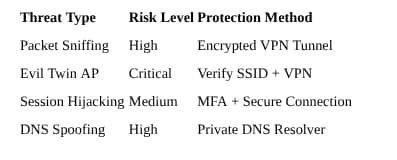
Rogue access points mimicking legitimate venue networks are increasingly common in high-traffic tourist areas. Devices often auto-connect to familiar network names, handing over traffic to attackers before users realize anything is wrong. A reliable VPN service prevents this exposure by creating a secure tunnel regardless of the underlying network integrity.
Securing Remote Work Connections Abroad
Freelancers and international employees cannot afford connection drops or security lapses when accessing company resources from foreign locations. Corporate firewalls and regional censorship sometimes block standard VPN protocols, leaving workers stranded without access to essential platforms. This friction directly impacts productivity and income potential for location-independent professionals.
HidzoVPN addresses this challenge by supporting modern connection technologies designed to improve stability and reliability on restrictive networks. Features such as XTLS Reality and WebSocket are intended to make VPN connections harder to detect or block, helping remote workers maintain access to essential online services when standard VPN connections may struggle. For professionals working across different networks and regions, this added resilience can make secure remote access more dependable.
Surveillance Capitalism and the Erosion of Anonymity
The economic incentives driving mass data collection create systemic pressures that individual caution alone cannot counteract. Online identity protection now requires understanding how legal frameworks and corporate policies interact to expose user information. Governments frequently purchase commercially available location and behavioral data to bypass warrant requirements for surveillance.
Legal Loopholes That Expose Personal Data
Data brokers aggregate information from loyalty programs, mobile apps, and public records to sell detailed dossiers to any willing buyer. Current regulations in many jurisdictions treat this aggregated data as non-personal, exempting it from strict privacy laws. This regulatory gap means your personal data security depends entirely on corporate discretion rather than enforceable legal rights.
Law enforcement agencies routinely exploit these commercial datasets to conduct warrantless searches of movement patterns and associations. The same databases used for targeted advertising also enable dragnet surveillance without judicial oversight. Achieving genuine private internet access therefore requires opting out of entire ecosystems rather than merely adjusting individual app permissions.
ISP Throttling and Content Discrimination
Internet service providers possess both the technical capability and financial motivation to manipulate traffic based on content type or destination. Streaming video, gaming traffic, and peer-to-peer transfers frequently experience artificial slowdowns during peak hours unless encrypted. A secure VPN prevents this discrimination by hiding traffic patterns from network operators who might otherwise prioritize paid partners.
This neutrality violation affects gamers and streamers most acutely since their activities demand consistent low-latency connections. Buffering and lag spikes often result from deliberate throttling rather than genuine network congestion. Encrypting your connection removes the visibility that enables this manipulation, restoring the performance you actually pay for.
Practical Steps Toward Genuine Internet Security
Building robust internet security requires layering multiple defenses rather than trusting any single solution completely. Start by auditing your current exposure through browser leak tests and permission reviews across all connected accounts. Small habitual changes compound over time to significantly reduce your attack surface and improve overall cybersecurity posture.
Choosing Tools That Actually Deliver Promises
Many free VPN services monetize users through data harvesting or ad injection, directly contradicting their stated privacy mission. Always verify no-logs claims through independent audits rather than marketing copy on landing pages. Trustworthy providers publish transparency reports and undergo regular third-party assessments to validate their data protection commitments.
Protocol selection matters as much as provider reputation when evaluating privacy protection tools for real-world use. Legacy protocols like PPTP or L2TP offer inadequate encryption standards that sophisticated adversaries can compromise. Modern implementations using WireGuard or specialized stealth protocols provide superior balance between speed, security, and censorship resistance.
Behavioral Habits That Complement Technical Defenses
Technology alone cannot protect users who voluntarily overshare or reuse passwords across breached services. Adopt unique passphrases managed through a reputable password manager to eliminate credential stuffing vulnerabilities. Enable multi-factor authentication everywhere possible, preferring hardware keys or authenticator apps over SMS-based verification.
Regular software updates patch known exploits that attackers actively target in the wild. Delayed updates create windows of vulnerability that no amount of encryption can fully mitigate. Combine automated patching with periodic manual reviews to ensure all devices maintain current online security standards against emerging threats.
Frequently Asked Questions About Online Privacy
What makes a VPN truly secure for daily use?
A genuinely secure VPN combines strong AES-256 encryption, verified no-logs policies, and modern protocol support like WireGuard or proprietary stealth options. Independent audits provide essential validation that marketing claims match actual technical implementation and operational practices. Avoid providers that lack transparency or rely solely on self-reported compliance statements.
Can I trust free VPN services with my personal data?
Most free VPN services sustain operations through advertising revenue or data sales, creating inherent conflicts with user privacy interests. Premium providers funded by subscriptions align their business model directly with protecting customer information rather than exploiting it. If you cannot identify the product, you are likely the product being sold to third parties.
Does HidzoVPN work in countries with strict internet censorship?
HidzoVPN supports modern connection technologies designed to improve reliability on networks where conventional VPN connections may be restricted or detected. Technologies such as XTLS Reality and WebSocket are built to make VPN traffic more resistant to detection and blocking, helping users maintain secure access in restrictive network environments. This can be particularly useful for travelers and remote workers who need a more dependable connection across different networks and regions.
How does encryption protect me on public Wi-Fi networks?
Encryption scrambles all data transmitted between your device and the VPN server, rendering intercepted traffic unreadable to nearby attackers. This prevents credential theft, session hijacking, and content monitoring even on completely untrusted networks. Without this tunnel, your unencrypted communications remain visible to anyone with basic packet analysis tools.
What is the difference between privacy and anonymity online?
Privacy controls who accesses your data while anonymity conceals your identity entirely from all observers including service providers. Complete anonymity requires extensive operational security measures beyond standard VPN usage, such as Tor routing and compartmentalized identities. Most users need strong privacy protections rather than full anonymity for safe everyday internet activities.
Are browser extensions sufficient for protecting personal information?
Browser extensions only protect traffic within that specific browser and cannot secure other applications or system-level connections. They also run with elevated permissions that malicious or compromised extensions can abuse to harvest sensitive data. Comprehensive online security requires system-wide encryption that covers all network traffic regardless of source application.

