Pakistani Formal Wear: An Elegant Reflection of Culture and Craftsmanship
Pakistani formal wear is a captivating expression of the country’s rich cultural heritage, brought to life through exquisite fabrics, intricate embroidery, and timeless designs. These garments hold a special place in celebrations and important occasions, symbolizing not only style but also tradition and identity. With a harmonious blend of classic artistry and modern influences, Pakistani formal attire continues to enchant wearers and admirers alike.
The Enduring Appeal of Pakistani Formal Wear
What makes Pakistani formal wear truly remarkable is its ability to honor tradition while embracing contemporary elegance. Each outfit is meticulously crafted to showcase elaborate handwork and luxurious materials that reflect the wearer’s respect for cultural values and festive spirit. Whether attending weddings, formal gatherings, or festive celebrations, these ensembles offer a dignified and graceful presence.
Signature Styles and Designs
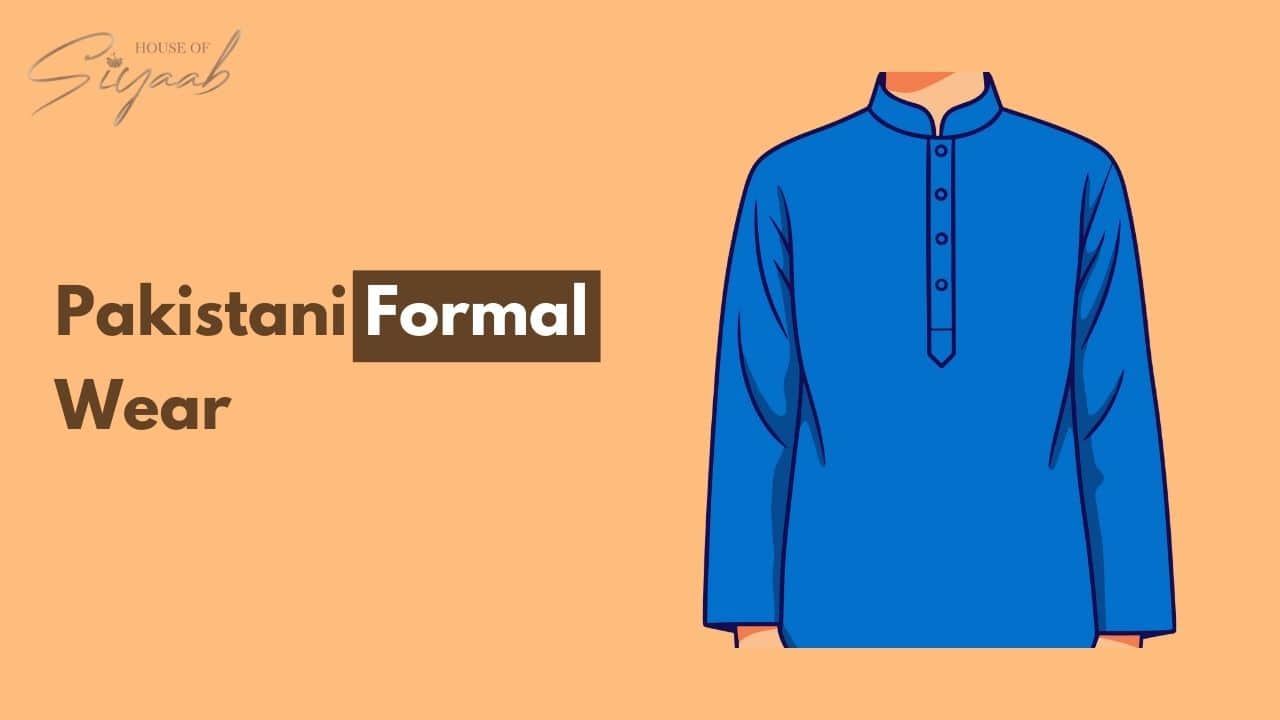
Pakistani formal wear includes a variety of iconic styles. The shalwar kameez, often enhanced with embroidery techniques like zari, zardozi, and gota, remains a timeless favorite. Flowing anarkali suits provide a regal silhouette, combining volume with delicate embellishment. Lehengas, rich in detail and often paired with ornate dupattas, represent grandeur and tradition, especially for bridal wear.
Ghararas and shararas paired with embroidered long shirts also hold an esteemed place, offering a blend of comfort and opulence. These silhouettes are tailored to flatter while highlighting the skilled craftsmanship involved.
Luxurious Fabrics That Define Elegance
Fabric selection is key to the allure of Pakistani formal wear. Silks, chiffons, velvets, and brocades are popular choices, prized for their texture and ability to showcase fine embroidery. These materials lend depth and sophistication to the garments, suitable for various seasons and formal events.
The Artistry of Embroidery
Embroidery is the soul of Pakistani formal attire. Regional handwork techniques such as chikankari, phulkari, and dabka transform plain fabric into elaborate art. Floral and geometric motifs, inspired by nature and tradition, enrich the garments with cultural significance. Bridal and ceremonial outfits often feature the most intricate embroidery, reflecting the importance of the occasion.
Accessories to Complement the Look
Accessories play a vital role in completing formal ensembles. Traditional jewelry—gold, kundan, pearls—adds sparkle and refinement, while embroidered footwear and elegant clutches tie the outfit together. The thoughtful combination of attire and adornments creates a harmonious and polished appearance.
Everyday Influence of Formal Wear
While Pakistani formal wear is usually reserved for special occasions, its elements influence contemporary fashion trends. Designers incorporate embroidery, fabric textures, and cuts into casual and semi-formal clothing, making cultural artistry part of daily style and ensuring its continued relevance.
Conclusion: Celebrating Heritage with Grace
Pakistani formal wear is a beautiful testament to culture, artistry, and timeless elegance. Through luxurious fabrics, detailed embroidery, and graceful designs, it connects the past with the present, offering wearers a way to honor tradition while embracing modern fashion. Wearing Pakistani formal attire is an expression of pride, identity, and the enduring beauty of craftsmanship.

