Power Plant Construction Steel & Steel for Transmission Towers: The Backbone of Energy Infrastructure
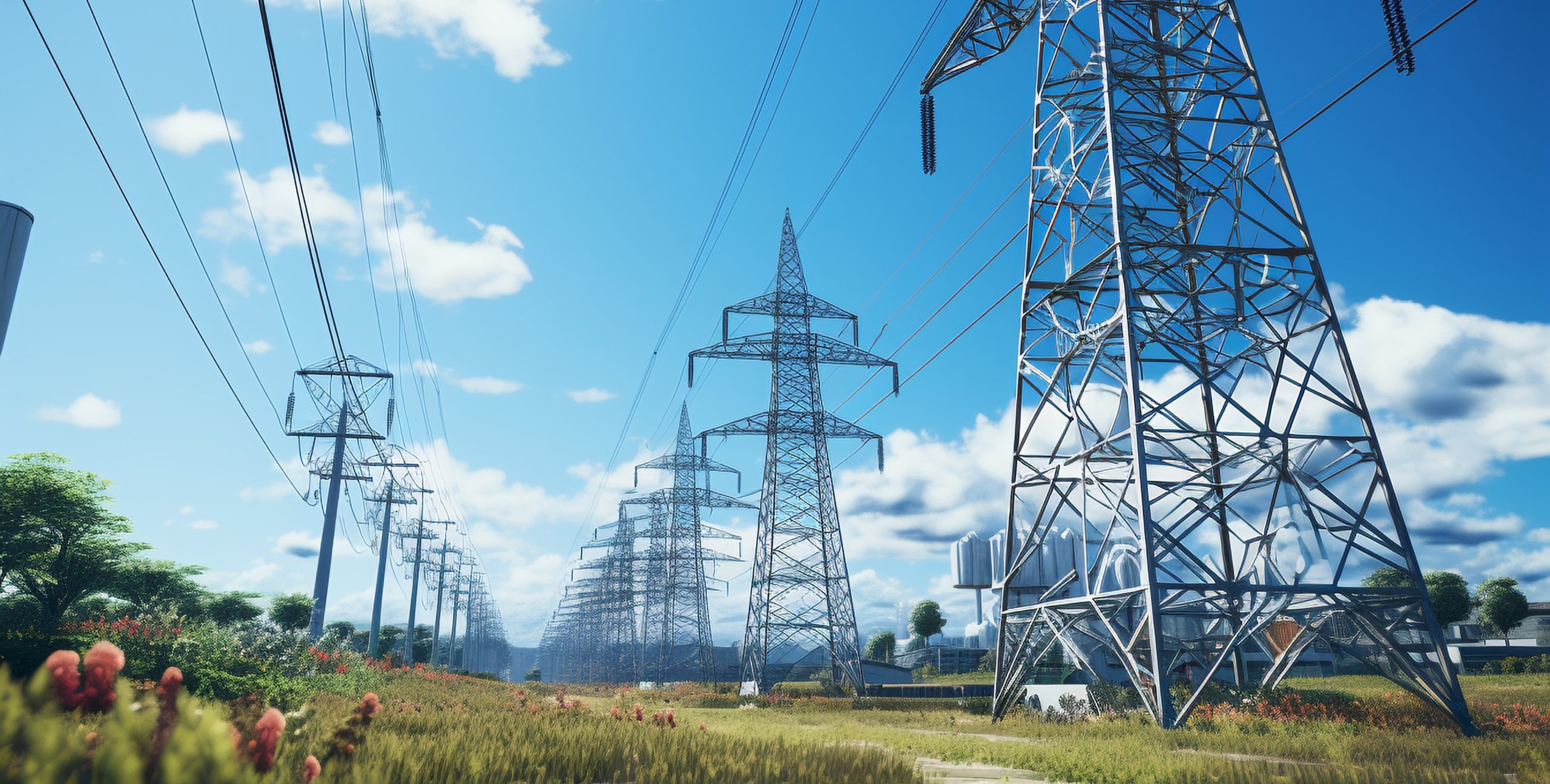
Steel is the foundation of modern energy systems. From large-scale power plants to high-voltage transmission towers, steel provides the strength, durability, and reliability required to keep electricity flowing across cities, industries, and rural areas. As global energy demand continues to rise, the need for high-quality steel in power infrastructure has never been greater.
For companies like Midwest Steel Supply, delivering premium-grade steel for power plant construction and transmission towers is essential to supporting long-lasting and efficient energy systems.
The Role of Steel in Power Plant Construction
Power plants operate under extreme conditions, including high temperatures, heavy loads, and continuous operation. Whether it’s a thermal, nuclear, or renewable energy plant, steel is the primary material used in construction.
Steel is widely used in:
● Structural frameworks such as beams and columns
● Boilers and pressure vessels
● Turbine housings and mechanical systems
● Storage tanks and pipelines
● Cooling towers and support structures
The main reason steel is preferred in power plant construction Steel is its exceptional strength-to-weight ratio and durability. It can handle intense pressure, resist deformation, and maintain structural integrity over long periods.
Different types of steel are used depending on the application:
● Carbon Steel – Used for general structural purposes
● Alloy Steel – Designed for high-temperature and high-pressure environments
● Stainless Steel – Ideal for corrosion-resistant applications
In renewable energy projects like wind and solar plants, steel is also used in mounting systems, turbine towers, and support frames, making it a critical component of sustainable energy development.
Importance of Steel in Transmission Towers
While power plants generate electricity, transmission towers are responsible for delivering it over long distances. These towers support high-voltage power lines and must withstand environmental challenges such as wind, storms, and temperature changes.
Steel is the material of choice for transmission towers because it offers:
● High strength and stability
● Resistance to environmental stress
● Long service life
● Easy fabrication and installation
Transmission towers are exposed to outdoor conditions 24/7, making durability a top priority. Steel ensures these structures remain reliable for decades with minimal maintenance.
Types of Steel Used in Transmission Towers
Transmission towers require specialized steel grades to ensure safety and performance. The most commonly used types include:
1. Carbon Structural Steel
This is used for basic structural components and provides a good balance between strength and cost.
2. High-Strength Low Alloy (HSLA) Steel
HSLA steel offers improved strength and better resistance to atmospheric corrosion, making it ideal for heavy-duty tower structures.
3. High-Strength Steel
Advanced grades are used in modern transmission systems to support higher loads and longer spans between towers.
4. Galvanized Steel
Galvanization adds a protective zinc coating to prevent rust and corrosion. This significantly increases the lifespan of transmission towers, especially in harsh environments.
Types of Transmission Tower Designs
Steel for Transmission towers come in different designs depending on their function and location:
● Lattice Towers – Built using interconnected steel angles, offering high strength and flexibility
● Tubular Steel Poles – Common in urban areas due to their compact design
● Guyed Towers – Supported by cables for additional stability
● Monopoles – Single-pole structures used for medium-voltage lines
Among these, lattice towers are the most widely used due to their ability to carry heavy loads over long distances efficiently.
Key Properties Required in Power Infrastructure Steel
Steel used in power plant construction and transmission towers must meet strict requirements:
1. High Mechanical Strength
Steel must support heavy equipment and withstand high stress without failure.
2. Corrosion Resistance
Outdoor structures require protection against rust, moisture, and environmental damage.
3. Durability
Power infrastructure is designed to last for decades, so materials must be long-lasting and reliable.
4. Weldability and Fabrication
Steel should be easy to cut, weld, and assemble for efficient construction.
5. Cost Efficiency
Steel offers excellent performance at a reasonable cost, making it ideal for large-scale projects.
Midwest Steel Supply: Supporting Energy Infrastructure
Midwest Steel Supply plays a vital role in delivering high-quality steel products for power and transmission projects. With a strong focus on quality and reliability, the company provides materials that meet industry standards and project requirements.
The range of steel products includes:
● Structural beams and columns
● Steel plates and sheets
● High-strength alloy steel
● Galvanized steel components
● Custom-cut steel solutions
By ensuring consistent supply and precision manufacturing, Midwest Steel Supply helps contractors and engineers complete projects on time and within budget.
Steel in the Future of Energy Systems
As the world transitions toward cleaner and more efficient energy solutions, steel continues to play a crucial role. Renewable energy systems such as wind farms and solar plants depend heavily on steel structures.
Future trends in energy infrastructure include:
● Ultra-high voltage transmission systems
● Smart grid development
● Offshore wind turbine structures
● Modular steel construction
These advancements require stronger, more durable, and more sustainable steel solutions, further increasing the importance of reliable suppliers.
Why Quality Steel Matters
Using high-quality steel is critical for the success of any power infrastructure project. Low-quality materials can lead to serious issues such as structural failure, increased maintenance costs, and reduced lifespan.
Choosing premium steel ensures:
● Improved safety and reliability
● Longer service life
● Lower maintenance costs
● Better overall performance
For large-scale energy projects, investing in quality steel is not just an option—it is a necessity.
Conclusion
Steel remains the backbone of modern energy infrastructure. From the construction of power plants to the installation of transmission towers, its strength, durability, and versatility make it indispensable.
As energy demands grow and technologies evolve, the role of steel will continue to expand. Companies like Midwest Steel Supply are at the forefront of this industry, providing the materials needed to build strong, efficient, and future-ready energy systems.
Whether it’s supporting a massive power plant or enabling electricity transmission across vast distances, steel is the key to powering the world

