Profitable SaaS Niches: Unlocking Niche SaaS Opportunities for Small Businesses
A couple of years back, I launched my very first SaaS product. The excitement was electric; I'd finally built a solid MVP, put together a clean landing page, and prepared a decent marketing strategy—or so I thought. Fast forward a few months: crickets. My product was useful and nice-looking, but people just weren't biting. After talking to founders in similar positions, I realized I'd made the classic mistake of choosing an overly broad market.
The harsh lesson I learned? Picking the right niche can truly make or break your SaaS business—especially when it comes to targeting small businesses.
Since then, I've obsessively researched, built, and tested multiple niche SaaS products aimed at small business customers. I’ve discovered that niche SaaS products can be stunningly profitable when they solve well-defined problems for targeted segments.
In this post, I'll share the insights I've gathered about tapping into profitable SaaS niches for small businesses, including a clear step-by-step approach, real-world examples, and actionable pointers to help you spot lucrative opportunities.
Why Small Businesses Represent Massive Opportunities for Niche SaaS
Before we dive in, I want you to truly appreciate the "why." Small businesses typically have unique problems that mainstream SaaS products overlook. This means a lot of underserved markets are hungry for solutions designed specifically for their needs. It creates room for indie hackers to solve problems effectively—and profitably.
Here are three key reasons why small businesses are ideal SaaS segments:
- Focused Scope: Small businesses usually have simpler problems that require more straightforward solutions. This makes product development affordable and easy—even as a solo founder.
- Loyal Customers: Small business owners tend to stick with a solution they trust. If your SaaS solves their unique pain points, they'll stay subscribed (often for years).
- Rich Referral Potential: Small business owners often network with peers in their industry. If your product truly addresses their needs, word-of-mouth can turn into your best acquisition strategy.
Alright, let's dig deeper!
How to Find Profitable Niche SaaS Opportunities: Step-by-Step Guide
Step 1: Find Problems (Not Products)
Focus first on identifying underserved issues in small business operations. Don't make the mistake I initially made—building a product first and scrambling to find customers afterward.
How?
- Join online communities: Reddit, Facebook groups, IndieHackers forums specific to small businesses (e.g., r/smallbusiness).
- Conduct interviews: Have informal virtual coffees to dig deeper into their pain points, workflows, and tools.
- Scan review sites: Platforms like G2, Capterra, and Trustpilot offer goldmines of customer frustrations for existing software.
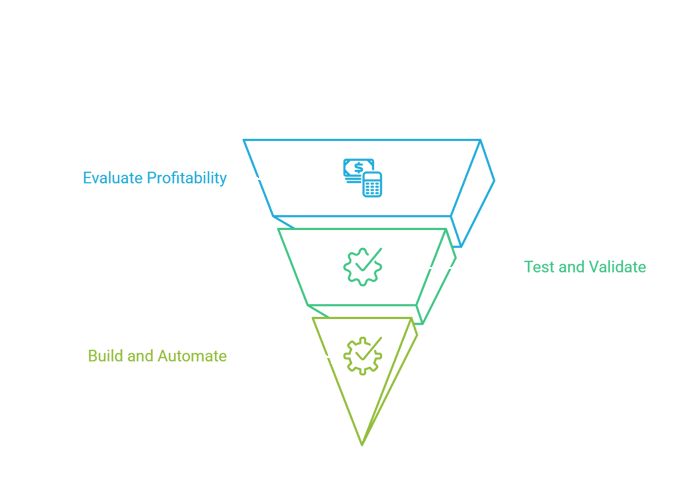
Step 2: Evaluate Niche Profitability & Market Demand
Ask yourself key questions:
- Pain depth: Is this a significant, ongoing problem businesses actively pay to resolve?
- Market size & budget: Can you realistically build a profitable SaaS around this niche? (Small markets or ultra-low budget niches might be challenging.)
- Competition: Is the market already saturated, or can you carve out a unique proposition?
To give you an idea, one of the niches that recently caught my attention was software explicitly tailored around appointment booking for boutique fitness studios. After some research, I learned these businesses had specific needs unmet by generalized solutions. Jill, a yoga studio owner from Texas, told me directly during an interview: “I'd willingly pay double or triple what I pay now just for software that exactly fits my booking requirements." And she wasn’t alone. Such feedback underlined profitability potential clearly.
Step 3: Test and Validate Quickly (and cheaply)
Before you invest heavily on coding or product development, you absolutely need to validate quickly:
- Build quick, lean landing pages for the product.
- Run pre-launch campaigns to gauge interest.
- Offer limited-time deals for early adopters willing to pay upfront.
Use no-code or low-code tools like Fuzen.io to create MVPs faster and cheaper. Fuzen.io helped me validate niche SaaS ideas without heavy dev investment—letting me iterate quickly based on actual customer feedback before I committed more resources.
Real-World Examples & Inspirations
To help you visualize what I'm preaching, here are some profitable niche SaaS examples targeting small business verticals:
- ZenMaid - SaaS specifically for maid services (managing schedules, customers, payments).
- Dentrix Ascend - Dental-specific practice management.
- SimpleConsign - SaaS solution for consignment retail shops.
- HomeGauge - Inspection software for home inspectors.
All of these successful niche SaaS products share certain traits: they’re clearly targeted, perfectly matched to small businesses’ real-world needs, and deeply embedded into their day-to-day operations.
Lessons Learned (So You Don’t Repeat My Mistakes!)
In my indie hacker journey, I learned five golden rules for niche SaaS success:
- Always build around real problems: Don’t build something fancy. Build something necessary.
- Focus aggressively on validation: Every idea is a guess until you have customers willing to pay money.
- Understand that hyper-niche pricing can be favorable: You can charge a premium price if you solve niche, specific pain points well.
- Don’t be scared of competition, but find your unique angle: You must differentiate by deeper industry-focused insights and outstanding customer experience.
- Automate smartly once validated (low-code/no-code tools are your friend!): Focus your energy on understanding customers and their core experiences.
Wrapping Up & Actionable Steps
Congratulations—you’re ready to explore profitable SaaS niches tailored specifically toward small businesses! To recap, here’s your primary to-do list:
✅ Engage deeply with real small business communities
✅ Research carefully into underserved pain points
✅ Validate with quick-turnaround MVPs (tip: Fuzen.io can help speed things up!)
✅ Invest confidently only when validation backs your ideas
If you're currently eyeing or already working on your niche SaaS idea, I'd love to hear your thoughts and experiences. Which niches have you found especially profitable? Or challenging?
Let's discuss. Drop a comment, let’s chat, and together let’s keep the indie hacker vibes strong!
