Qurbani Donation During Eid al-Adha: What Matters Most
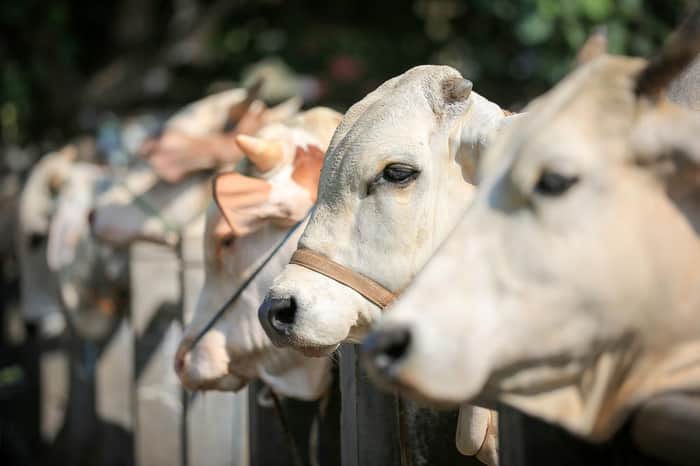
Eid al-Adha arrives every year with a sense of purpose. Muslims around the world wake up on the morning of the 10th of Dhul Hijjah, perform the Eid prayer, and then carry out one of the most significant acts of worship in Islam: Qurbani. The act of sacrificing an animal is not just a ritual. It is a direct expression of faith, gratitude, and responsibility toward others.
Yet for many Muslims living in the West or in urban areas far from impoverished communities, the question of how to donate Qurbani properly weighs on them every year. Where does the meat go? Is the animal sacrificed according to Islamic rules? Does the donation actually reach those who need it? These are not trivial concerns. They go to the heart of what makes a Qurbani valid and meaningful.
This article covers everything that matters about Qurbani donation, from the religious obligation to the practical steps of giving online, so that your act of worship is accepted, impactful, and correctly performed.
What Is Qurbani and Why Does It Matter?
The word Qurbani comes from the Arabic root "Qurb," which means nearness or proximity. At its core, Qurbani is an act of drawing close to Allah (SWT) through sacrifice. It commemorates the trial of Prophet Ibrahim (AS), who demonstrated absolute obedience when he prepared to sacrifice his son Ismail (AS) at the command of Allah. Allah intervened and replaced Ismail with a ram, establishing the tradition of animal sacrifice that Muslims follow to this day.
The Prophet Muhammad (SAW) emphasized the importance of this practice. He said: "The son of Adam does not do any deed on the Day of Sacrifice that is dearer to Allah than shedding blood. It will come on the Day of Resurrection with its horns and cloven hoofs and hair. Its blood is accepted by Allah before it reaches the ground." (Sunan Ibn Majah, 3126)
This Hadith alone should remind every Muslim that Qurbani is not a cultural tradition. It is a deeply spiritual obligation with enormous reward.
Eid al-Adha also falls during the ten blessed days of Dhul Hijjah, which the Prophet (SAW) described as the days in which righteous deeds are more beloved to Allah than in any other period of the year. This makes the act of giving, whether through Qurbani or Sadaqah, carry extraordinary weight during this time.
The Role of Sadaqah During Eid al-Adha
Before diving into the rules of Qurbani, it is worth understanding where Qurbani sits within the broader concept of Sadaqah in Islam.
Sadaqah literally means "righteousness" and refers to the voluntary giving of alms or charity. In Islamic terminology, it has been defined as giving something without seeking anything in return, with the sincere intention of pleasing Allah. Wikipedia The word itself comes from the Arabic root "sidq," meaning sincerity. Every act of giving that comes from a clean heart is, in essence, Sadaqah.
Qurbani is classified under a specific category known as Sadaqah Wajibah, which refers to charity that is binding in nature. Udhiyah or Qurbani is one of the most important types of Sadaqah Wajibah. Every year, millions of Muslims perform animal sacrifices to honor Prophet Ibrahim's steadfast faith. It allows believers to draw closer to Allah (SWT) while also helping those in need enjoy nutritious food. Transparent Hands
In other words, when you donate Qurbani, you are not simply fulfilling a standalone ritual. You are performing one of the most significant acts of Sadaqah in the Islamic year.
It is also highly recommended to increase financial Sadaqah during the ten days leading up to Eid al-Adha, known as the best days of the year. Giving Sadaqah during these days helps alleviate distress and ease the burdens of those in need before Eid and brings immense rewards.
This means that alongside your Qurbani donation, giving extra Sadaqah in the days of Dhul Hijjah is an act of great spiritual value. Feed a family. Support a medical patient. Sponsor a child's education. Every act of generosity during these days multiplies in reward.
Who Is Required to Give Qurbani?
Qurbani is obligatory (Wajib, according to the Hanafi school) for every Muslim who meets three conditions: they have reached puberty, they are mentally sound, and they possess wealth equal to or greater than the Nisab threshold. This applies to both men and women.
If you meet these conditions, you are required to give at least one Qurbani share during the days of Eid al-Adha. Those days are the 10th, 11th, and 12th of Dhul Hijjah, with the first day being the most virtuous.
There is some scholarly difference of opinion about whether Qurbani is obligatory or a confirmed Sunnah (Sunnah Muakkadah). Regardless of that discussion, the vast majority of scholars agree that every financially capable Muslim should not abandon this practice. If you miss the days of sacrifice, scholars hold that the monetary equivalent must be given as Sadaqah in its place. This reinforces the connection between Qurbani and sadaqah as two pillars of the same spirit of giving.
The Rules of a Valid Qurbani Animal
Not every animal qualifies for Qurbani. The Shariah sets clear conditions that the animal must meet before it can be used for sacrifice. Ignoring these rules can invalidate the Qurbani entirely.
Eligible animals include goats, sheep, rams, cows, buffaloes, and camels. Each goat or sheep counts as one share of Qurbani. Larger animals like cows and camels can be divided into seven equal shares, meaning up to seven people can contribute toward one cow or camel.
Age requirements are equally important. Goats and sheep must be at least one year old. Cows and buffaloes must be at least two years old. Camels must be at least five years old at the time of sacrifice.
The animal must be free from defects. The Prophet (SAW) forbade the sacrifice of an animal whose limp is obvious, an animal with a clearly bad eye, a sick animal whose sickness is apparent, or an emaciated animal with no marrow in its bones. These four major defects disqualify an animal.
When you choose to donate Qurbani through a reputable organization, their scholars and experts handle animal selection on your behalf, ensuring full compliance with every one of these conditions.
Sadaqah Beyond Qurbani: Giving More This Eid
Qurbani is your primary obligation during Eid al-Adha. But the days of Dhul Hijjah call every Muslim to give more broadly.
The first ten days of Dhul Hijjah are the best of all time. The Prophet (SAW) said: "There are no days during which righteous deeds are more beloved to Allah than these ten days." Among these days, the Day of Arafah is the most blessed. Sadaqah on the Day of Arafah holds special merit and is among the most beloved acts of worship, bringing blessings throughout the year.
This is why many Muslims choose to combine their Qurbani donation with additional Sadaqah during this period. You might sponsor a medical procedure for an underprivileged patient. You might contribute toward a family's food package. You might give toward clean water or education. Sadaqah holds a great position in Islam. It purifies wealth, atones for sins, and brings immense reward. Wealth is not diminished by Sadaqah; every amount given as Sadaqah will return multiplied to the giver.
The Prophet (SAW) also said: "Charity does not decrease wealth." (Muslim) This should give every hesitant donor the confidence to give generously, knowing that nothing is lost and everything is gained in the sight of Allah.
There is also the concept of Sadaqah Jariyah, which refers to ongoing charity whose reward continues even after a person passes away. Supporting the construction of a medical facility, funding surgeries for the poor, or enabling access to healthcare for communities in need are all forms of Sadaqah Jariyah. Transparent Hands, which provides surgical and medical assistance to Pakistan's most deserving patients, offers donors the opportunity to give this kind of lasting Sadaqah alongside their Qurbani donation.
Why Donating Qurbani Online Makes Sense
A growing number of Muslims choose to donate Qurbani online rather than perform it themselves. This decision makes complete sense for practical, spiritual, and humanitarian reasons.
It is Islamically valid. There is clear scholarly consensus that you can appoint another person or a trusted organization to perform Qurbani on your behalf. This is known as Tawkeel. As long as the organization follows Shariah guidelines for animal selection, slaughter, and distribution, your Qurbani is valid.
It stretches your resources. Muslims living in the United States, United Kingdom, Canada, or other Western countries often find that the cost of sacrificing an animal locally is far higher than in countries like Pakistan. By donating to an organization that operates in Pakistan, you can give multiple Qurbani shares for the price of one locally. This means more families fed and more reward earned.
It reaches those who truly need it. Many families in Pakistan go through the entire year without access to meat. Eid al-Adha is often the only time when they eat a proper meal with protein. Your Qurbani donation, paired with voluntary Sadaqah contributions, directly feeds and supports families who would otherwise have nothing to celebrate Eid with.
It removes logistical burdens. Not everyone has the knowledge, space, or legal clearance to sacrifice an animal independently. Donating online removes these obstacles entirely. You select your Qurbani option, complete the payment, and a qualified team handles the rest.
What to Look For in a Qurbani Donation Organization
Choosing the right organization for your Qurbani donation matters greatly. Here is what you should verify before committing.
Shariah compliance. The organization must follow all Islamic requirements for animal selection, slaughter, and distribution. Their Qurbani program should be reviewed and approved by qualified Islamic scholars. Transparent Hands has its program verified by Mufti Muhammad Zubair Nadeem, who holds a PhD in Islamic Studies and Finance.
Transparency and accountability. A trustworthy organization provides donors with updates on how their Qurbani was conducted, photos of the distribution, and clear reports on the communities served. The same standard applies to any Sadaqah you give through them. If an organization cannot tell you where your donation went, that is a serious problem.
Direct reach to deserving communities. The meat should go to genuinely vulnerable populations. This includes families in low-income urban settlements, residents of old age homes, transgender communities who often face extreme poverty, madrassa students from poor backgrounds, and individuals affected by disaster or displacement.
Hygienic handling. From the moment the animal is slaughtered to the moment the meat is packaged and delivered, hygiene standards must be maintained. Fresh meat must be properly handled to avoid contamination before it reaches recipients.
Reasonable pricing. Organizations that offer Qurbani at fair market rates without inflating prices show respect for donors and their resources.
FAQs
Can I give Qurbani in a country different from where I live?
Yes. You can give Qurbani in any country, including Pakistan, even if you live in the US, UK, or elsewhere. There is no harm in donating Sadaqah for Eid al-Adha, including Qurbani, to another country.
Can I donate the entire Qurbani meat to charity?
Yes. All three portions can be given to the poor. The traditional three-way division is a practice, not a binding obligation. Many Muslims choose to donate everything, treating it as full Sadaqah to maximize charitable benefit.
