Research shows we aren't as divided as we think. And according to Buster Benson of 750 Words ($20k/mo), it's all about dialogue.
While the world seems more divided than ever, research on polarization suggests that we’re not as divided as we think. And historians agree that this is not the most polarized that we've ever been.
Americans believe that over half of the country has extreme views, but in truth, it's actually somewhere around 30%. And according to Kirk Schneider, author of "The Depolarizing of America: A Guidebook for Social Healing,” a significant number of people are eager to work with those on the other side of the divide. They just don’t know where to start.
A big part of the problem is that both the media and social media show primarily the extremes. And people believe it, sometimes becoming polarized themselves due to fear.
It's taking a toll, not only on individuals, but on relationships as well. One study showed that political differences have damaged the friendships of 20% of Americans.
According to Schneider, the first step is to recognize each other’s humanity.
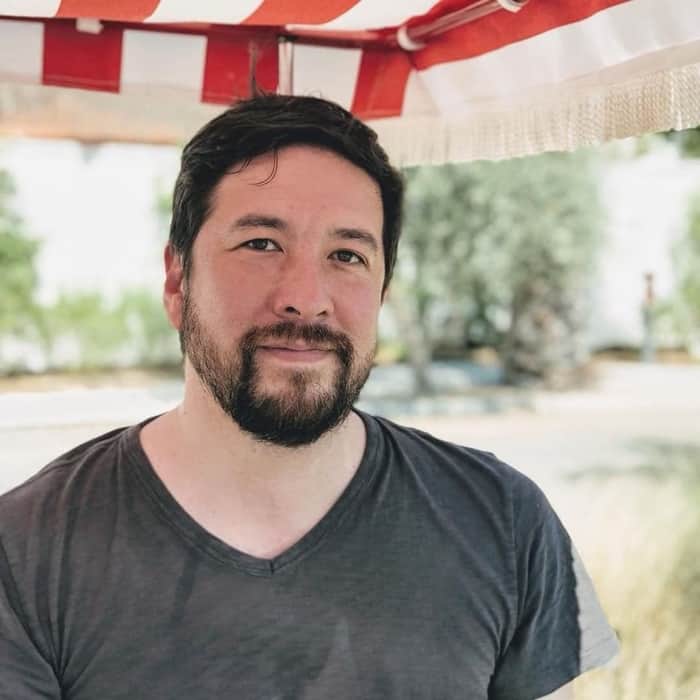
I spoke to @Buster of 750 words ($20,000/mo) about how we can bridge divides by becoming better listeners and better thinkers. It’s all about curiosity and meaningful dialogue:
No matter how much you grow as a person, you'll never stop needing that person who is different from you to show you what you can't see.
That's why it's really important to seek out the most worthy believers of things you disagree with and talk to them. It's those conversations, where it's more about bringing uncertainty to the table, asking questions, seeking out new possibilities — the kind of dialogue where you don't know where it's going to go or what you're going to learn — those are the conversations we need and that make me feel alive.
If we don't have those conversations, we end up imagining our enemy and projecting it onto people. That's never going to lead to a really great conversation or a new perspective.
Like, we talk about Trump supporters all the time, we talk about white nationalists, but we don't talk to them. We talk out into the cloud and nobody's listening.
The problems in the world aren't going to be solved by slamming people on the head with information. And so I prefer to try create an environment where change can happen by increasing the complexity or decreasing the certainty of a situation. Because we'll be better thinkers about these problems if we aren't so black and white or so self-righteous about the thing.
All this goes for business too. Include your community in the creation process. You'll learn a lot from that conversation.
Wise words, and right in line with Pearl Dowe, a professor of political science and African American Studies at Emory University. She said, "Until others feel that they can have these conversations and really question who they are, what they believe, what they value, we're going to see ourselves in this situation every election cycle."
Sign up below 👇 to get real stories from real founders every week.
