Rise and Fall of Live Streaming in the US
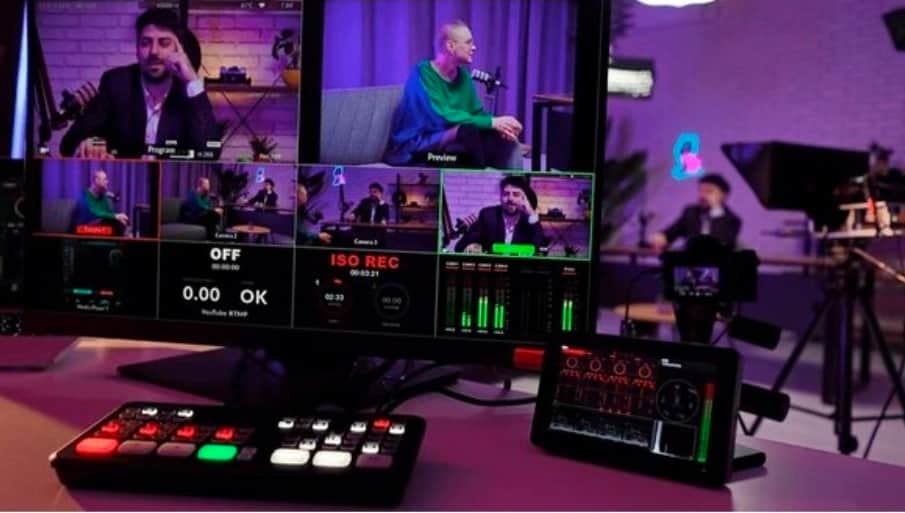
Between March and August 2020, live streaming not only grew but also saw viewership expand by 300%. Back in the pandemic, a camera and microphone in the bedroom became how people connected and hung out, since it was important for entertainment.
Since then, we have seen a rise in live streaming in the US. All the famous YouTubers and influencers started live streaming since the audience was more engaged there, and of course, it was making more money.
Many internet service providers in the US, like Xfinity, LocalCableDeals have acted as a main pillar of this industry, as live streaming requires a fast, reliable connection, consistent bandwidth, and high upload speeds to transmit real-time video data.
A real connection ensures high-quality video and audio, allows for instant interaction, and prevents audience loss due to technical delays.
Moving on, in this article, we will discuss the rise and fall of live streaming in the US, where we will go through its golden age, its peak, and saturation, and why it cooled down between 2023 and 2026.
The Rise: The Golden Age of Live Streaming (2015–2021)
The Golden Age of Live Streaming was between 2015 and 2021; since then, people have started adopting real-time broadcasts and moved from niche gaming content to a dominant form of social entertainment.
This era witnesses the live streaming evolving from nothing to everything, which is because of improved bandwidth, mobile technology, and the 2020-2021 pandemic years. This era was defined by a massive growth in user-generated content, audience interactivity, and the professionalization of gamers into influential media personalities.
Twitch's Dominance and Growth (2015-2021)
Twitch was the undisputed leader in this industry and was growing rapidly during this period. Twitch had around 55 million monthly visitors in 2014, and in 2021, the number had reached 140 million.
This was driven by the gaming boom when the pandemic lockdown forced users to turn to online community platforms. From 2019 to 2020, Twitch alone experienced a massive increase, with the average viewing rate going up to 68% from 1.2 million to 2.1 million, and the number of monthly broadcasters increased by 91%, rising from 3.6 million to 6.9 million.
The Rise of Alternative Platforms and Social Live
Twitter got the live streaming app feature in 2015, and in 2016, both Facebook and Instagram integrated a live streaming feature, allowing celebrities, media outlets, and daily users to broadcast instantly.
YouTube also introduced its live feature to attract gamers and live streamers. This led to a massive competition between creators as many of them started their own streaming channels where they used to interact with their audience and their influencer friends.
For example, a famous YouTuber, IshowSpeed (Darren Watkins Jr.), started his career with live streaming, where he focused on gaming content like NBA and Fortnite from his bedroom in Cincinnati, Ohio.
Initially, he had very low viewership; on his daily stream, he used to get two to ten views, but after 2021, his viewership grew rapidly.
The Peak and Saturation (2021–2023)
The live streaming service experienced rapid growth between 2020 and 2021 because of the pandemic lockdown, which was followed by intense saturation and competition from 2022 to 2023.
In 2021, the industry saw a massive, unsustainable growth as audiences at home wanted entertainment, which led to platforms like Twitch, YouTube, and Facebook Gaming to grow exponentially.
The total hours watched across top live platforms were at their peak in 2021, as it was around 37.1 billion watch hours. Twitch alone experienced a lot of growth with viewership jumping from 18.6 billion hours in 2020 to 22.8 billion hours in 2021.
One more reason for this growth was that many cable and internet providers, like Xfinity, spectrum, and LocalCableDeals improved their services. Even now, I feel like it is one of the best cable and internet providers in the US, since it is affordable and offers a seamless connection so that users can stream online easily without any lag.
The Saturation Phase
As the industry moved from 2022 to 2023, the market entered a phase of saturation where user growth slowed due to high competition.
The total number of streaming hours watched dropped significantly to 32.5 billion in 2023 from the peak, which was in 2021. On Twitch alone, watching hours declined from 22.4 billion in 2022 to 21.4 billion in 2023 .
During this time, streaming wars were at their peak as 89% of the US households subscribed to at least one service by 2023. This saturation led to a decline in overall live streaming hours, as many say that a trend of physical entertainment options like summer slumps and other activities remained a bit higher than pre-2020.
The Fall: Why the Live Boom Cooled Down (2023–2026)
The live streaming boom, which was during the pandemic lockdown, cooled down between 2023 and 2026 because people returned to their normal lives. The audience is longer locked indoors, looking for constant online interaction, and they have returned to in-person entertainment, leaving less time for watching live broadcasts.
One more reason for the cool down is that the market experienced stream fatigue and constant saturation because of too many options and rising costs.
Moreover, with too many platforms trying to sell subscriptions, around 40% of consumers started cancelling their subscriptions to save money as the cost of living grew, according to Yahoo Finance . This pressure made subscribers more selective about what they pay for, since they felt that it was a waste of time and money.
Apart from this, according to our research, one of the biggest reasons for the downfall of live streaming is the rise of short-form videos. The audience of live streaming has now evolved because of platforms like TikTok, Instagram, and YouTube, since they offer short-form videos that the audience prefers because their attention span has shortened compared to before, especially among Gen Z.
Furthermore, doing a three-hour live stream has been exhausting for the creators every day, since there is a lot of competition in this industry, so doing a quality live stream every day that is different from others is not an easy job.
Many creators like IshowSpeed got famous through energetic gaming and live streams, but now his career is driven by short and chaotic videos that go viral across all social media platforms.
One more example of this is TommyInnit, who used to do live streams of the Minecraft game, but now he mainly focuses on short-form content and meme edits.
Final Thoughts
The rise and fall of streaming show us one thing that audiences now want: quality over constant quantity. They want something that saves their time and offers them true value.
The initial boom in this industry was because of the pandemic, but the future is based on authenticity. This doesn’t mean that live streaming will totally fade away; it will remain a powerful tool for businesses and creators who know how to manage it with time and trends. The survivors in this industry will be those who can connect with the audience, not just broadcast.

