Running a Solo Startup in 2026? Here's How to Not Get Hacked While You Build
You don't have a budget for an enterprise SOC, but you also can't afford a breach that tanks the trust you spent years building with your users. Here's a realistic security stack for solo founders and small teams in 2026, ordered the way you'd actually need it: protect yourself first, then your users, then your product.
Why founders can't skip this in 2026
It's tempting to treat security as something you'll "get to" once you have real revenue. The problem is that attackers don't wait for you to feel ready — AI-enabled attacks have made scanning for weak, unpatched, or misconfigured indie products cheap and automated. You don't need an enterprise budget to close the obvious gaps, though. You need a short list of the right tools, used at the right stage. Here's that list.
Step one: lock down your own connection
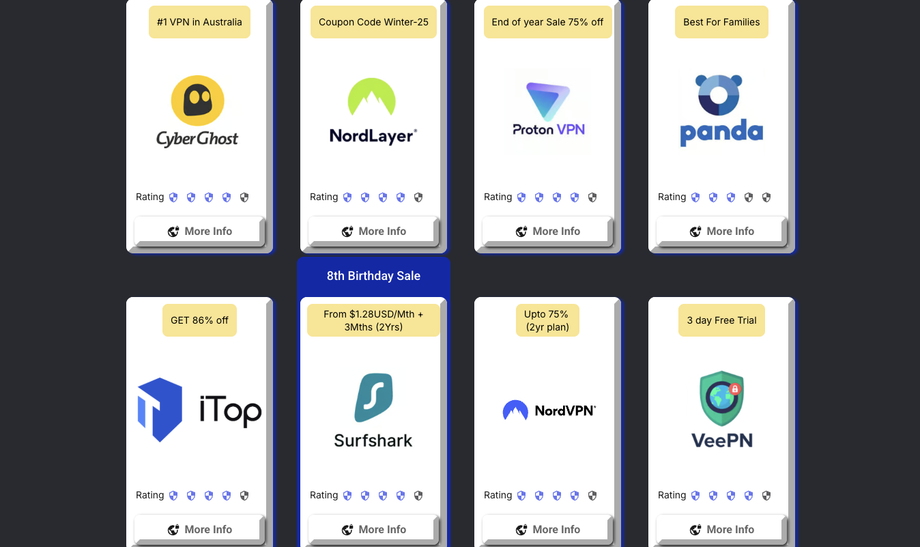
You're probably working from cafes, co-working spaces, or a different country every few months. VPN Cyber Shield publishes transparent, research-based VPN comparisons built specifically around remote work and travel use cases — handy for picking a provider without falling for marketing fluff, especially if you're managing client accounts or admin panels from public wifi.
Step two: find out if you're already exposed
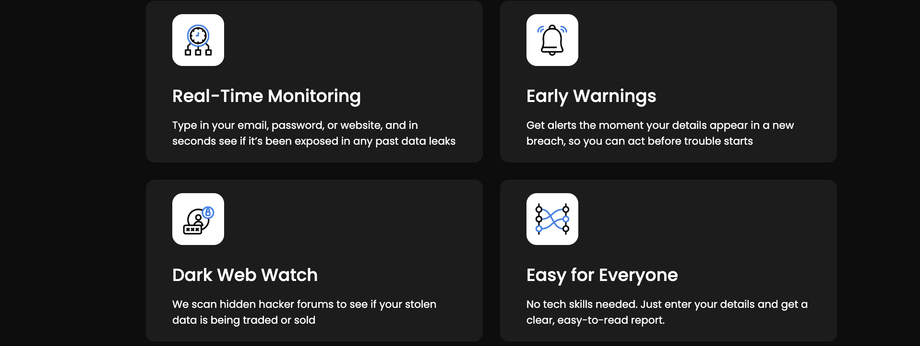
Before you worry about protecting your startup, check whether your own credentials are already floating around from an old breach somewhere. Check My Creds is a free lookup tool — plug in your email, see if it's shown up in a known leak, and get clear next steps. A lot of founders skip this and then wonder how someone got into their AWS console.
Step three: if you're building with AI agents, don't run them loose
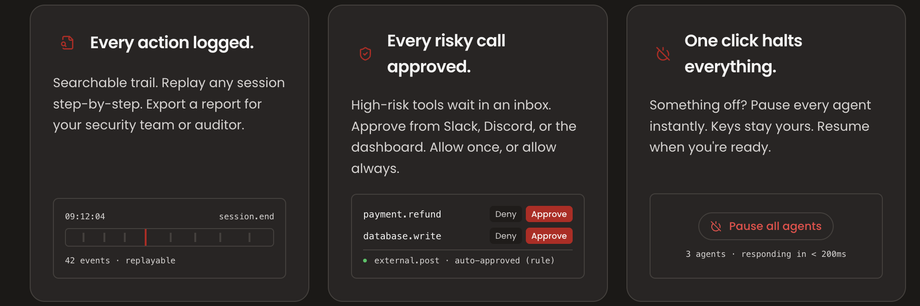
A ton of indie products in 2026 are wrapping autonomous agents around real user data and real API keys. Clawctl gives you a managed, secure runtime for OpenClaw agents — sandboxed execution, encrypted secrets, human approval steps for sensitive actions, and full audit logs, deployable in about a minute. If your product's core feature is "an agent that does things on behalf of users," this is the kind of infrastructure that keeps one bad prompt from becoming a headline.
Step four: once you have paying customers, get an actual pentest
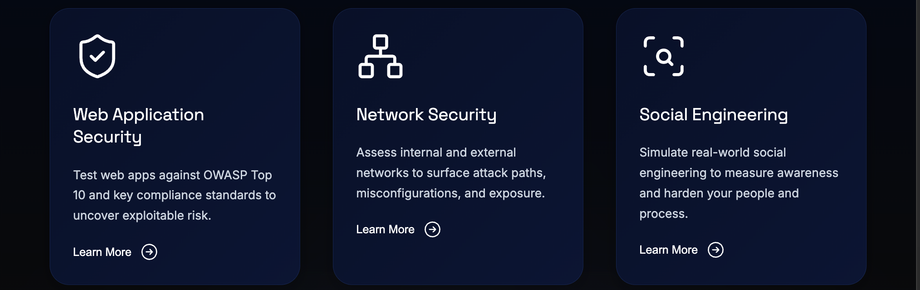
You don't need a six-figure enterprise engagement. Stingrai offers flexible one-time or continuous penetration testing, powered by an AI agent (Snipe) that handles recon and exploit chaining, backed by CREST-certified humans who verify every finding before it lands in your report. It's a reasonable way to get real, human-validated security testing without the traditional agency price tag or six-week wait.
Step five: as you scale past "just me," automate the boring parts of security
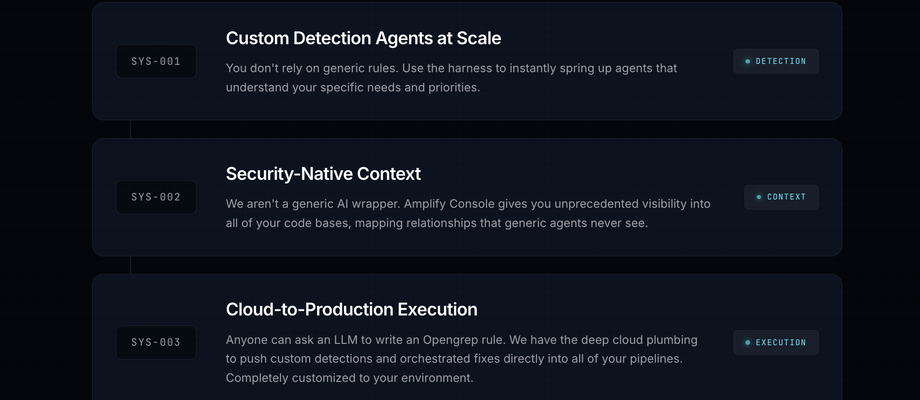
Amplify Security is built for teams that are starting to have actual security engineering needs — it deploys custom detection agents tailored to your codebase, filters out vulnerabilities that aren't actually reachable, and can open automated fixes. It's more than most solo founders need on day one, but worth bookmarking for when you hire your first backend engineer and the codebase gets too big to eyeball.
The bottom line for indie builders
Security doesn't have to be the thing you get to "eventually." Building it in from these five checkpoints — connection, personal exposure, agent governance, testing, and code-level detection — costs you a few hours now instead of your reputation later. Pick the one or two that match where you are today and go from there.
#IndieHackers #Cybersecurity #Startups #BuildInPublic #DataProtection #SaaS #AIagents #2026

I like that this focuses on practical habits instead of fear. As AI tools speed up development, basic security hygiene becomes even more important—not less.
I like that you've ordered security by business stage instead of listing tools. One thing I'd keep validating is whether founders are buying stronger security or greater confidence that they haven't overlooked an obvious risk. Those are related, but they drive different decisions.