SaaS Finance: 5 advanced metrics every CFO cares about 🧮
Most founders are familiar with basic financial SaaS metrics like revenue and churn.
However, once the firm grows and managing finances becomes more important, founders have to think of themselves as CFOs - or hire one.
Key financial metrics discussed
the Magic Number, Dollar-Based Net Expansion Rate, Quick Ratio, Net Negative Churn and CAC Payback Period.
The SaaS Magic Number
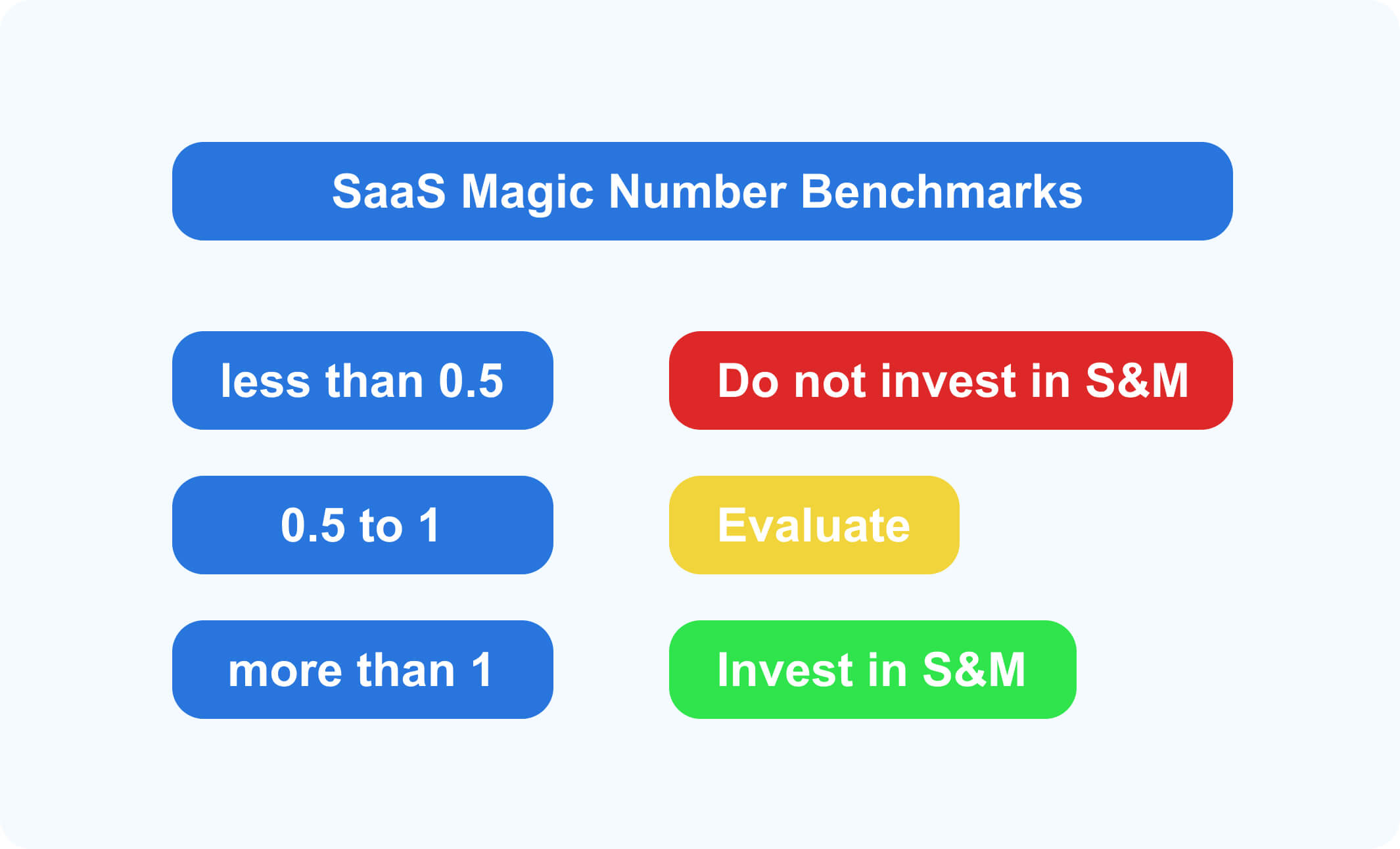
SaaS CFOs use the Magic Number to make decisions about sales and marketing investments.
By using the formula’s result as a benchmark, they can plug it into a target framework that helps them make an educated call.
Formula

When to invest in sales & marketing?
Dollar-Based Net Expansion Rate (DBNER)
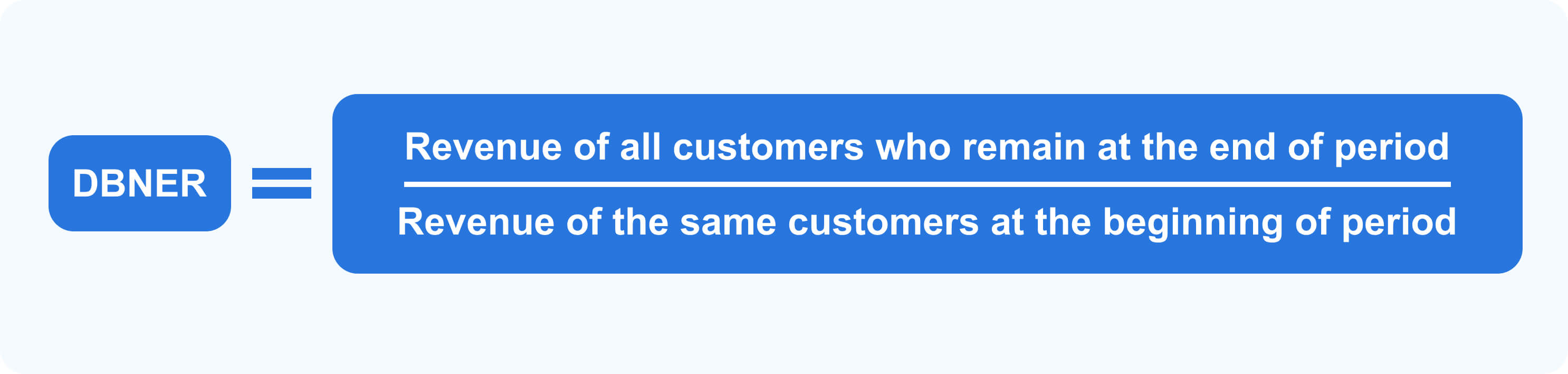
The Dollar-Based Net Expansion Rate, usually shortened to DBNER, measures a SaaS business’ ability to expand the amount of revenue it generates from its customers.
Formula
Implications
DBNER is an important metric for SaaS CFOs to evaluate, as it states to what extent existing customers have increased their spend with the company over a set period of time.
A good DBNER is considered to lie anywhere between 105% and and 120%, meaning that existing customers increased their expenditures on the solution between 5% and 20% in a given period (usually a year).
The SaaS Quick Ratio
A SaaS company’s Quick Ratio measures its growth efficiency. More specifically, it indicates how dependable the business can grow its revenue at its current churn rate.
Formula

Implications
The higher the Quick Ratio, the better. A high number means that the growth of the SaaS business is healthy.
Usually, a Quick Ratio of 4 or higher is seen as a good sign for healthy growth. However, the implications always depend on the business that is being run.
Net Negative Churn
Net Negative Churn can happen when a SaaS business’ expansion revenue from its existing users is actually higher than the lost revenue from existing customers.
Net Negative Churn does not take into consideration new customers. Hence, Net Negative Churn is also commonly referred to as the “holy grail” of SaaS, as the business can grow even without acquiring any new customers.
Formula

Implications
Getting to negative churn should be the ultimate goal of any SaaS leadership team. Simply from looking at the formula, the CFO can drive strategic initiatives to decrease churn (preventing lost revenue) and increase expansion revenue.
Net Negative Churn going hand in hand with efficienient new customer acquisition is a SaaS CFO’s recipe for exponential growth.
CAC Payback Period
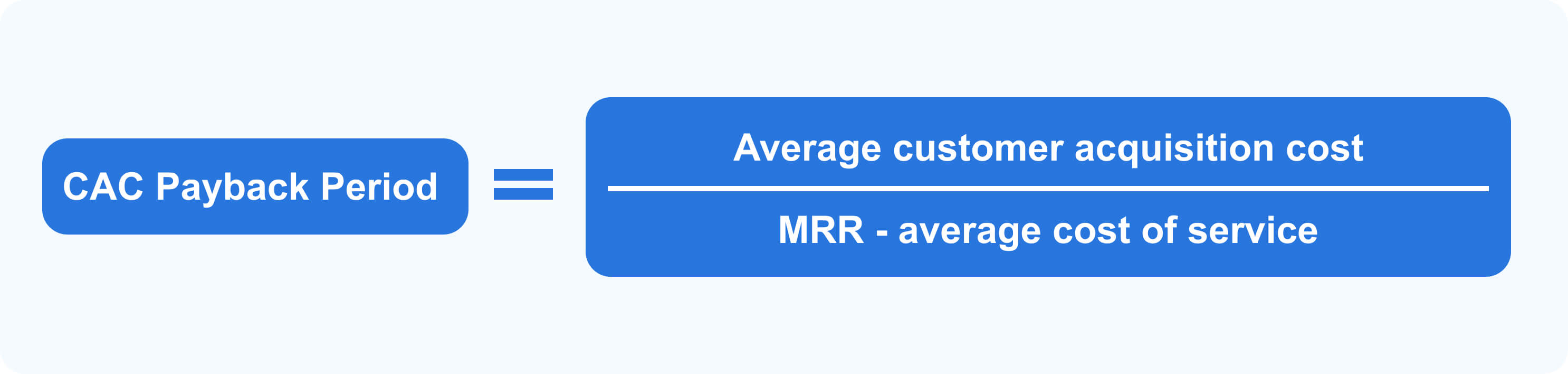
CAC stands for Customer Acquisition Cost and the CAC Payback Period simply refers to how long it takes until the cost of acquiring a new customer has broken even with the revenue they generate.
Formula
Implications
It helps the CFO make better informed decisions around marketing and sales expenditures, especially when taking churn into account.
Read more here: SaaS Finance: 5 advanced metrics every CFO cares about

Thank you for sharing this @jpdavidpeters ! Are there any books or articles that you would recommend to anyone hoping to learn more about finance in the SaaS industry?
There are some great articles and resources out there. For example, David Sacks wrote a great piece that expands on the topic: https://sacks.substack.com/p/the-saas-metrics-that-matter
This comment was deleted 3 years ago