Salesforce & HubSpot SECRETS: CRM's Role in Your Unified Data Blueprint Strategy (Ch. 8)
Unlock the hidden power of Salesforce & HubSpot!
In Chapter 8, discover CRM's vital role in your Unified Data Strategy for a true 360° customer view. Learn how CRM data integrates with CDPs & warehouses.
Welcome back to our in-depth exploration of the Unified Data Blueprint! If you're looking to truly understand the power hidden within your customer data, especially when using leading platforms like Salesforce and HubSpot, you're in for a treat. So far in this series, we've journeyed through the essentials:
from data collection and digital identifiers to location intelligence, robust data warehousing, dynamic data pipelines, and the unifying capabilities of Customer Data Platforms (CDPs). In Chapter Seven, we specifically saw how CDPs are instrumental in forging that invaluable single customer view.
Now, in Chapter Eight, we unveil some crucial "SECRETS" – or perhaps, often underutilized strategies – concerning a technology that's fundamental to both feeding and benefiting from this unified data perspective: the Customer Relationship Management (CRM) system. While Salesforce and HubSpot are powerful tools on their own, their true potential is unlocked when they are strategically integrated within a broader Unified Data Strategy.
Think of your CRM not just as a sales tool, but as the operational heart driving direct interactions with known customers and prospects, managing the entire lifecycle of these crucial relationships.
SEOSiri Chapter 8 CRM & The Unified Data Blueprint guide
Understanding the Core: What Exactly is a Customer Relationship Management (CRM) System?
At its essence, a Customer Relationship Management (CRM) system, whether it's Salesforce, HubSpot, or another platform, is sophisticated software designed to help companies meticulously manage and thoughtfully analyze every customer interaction and all associated data throughout the entire customer lifecycle. The ultimate goal? To significantly improve business relationships, bolster customer retention, and, of course, drive sustainable sales growth.
The Core Philosophy: The driving principle behind any effective CRM is to place the customer at the very center of all business processes and decisions. It's about understanding them, serving them, and building lasting connections.
Who Uses CRMs? Primarily, you'll find sales teams living in their CRM, but marketing departments (especially with CRMs like HubSpot that have strong marketing DNA) and customer service representatives also rely heavily on its capabilities to deliver personalized and efficient experiences.
Familiar Faces in the CRM World (beyond Salesforce & HubSpot): While we're highlighting two giants, the landscape includes:
Microsoft Dynamics 365
Zoho CRM
(And many others, each with unique strengths!)
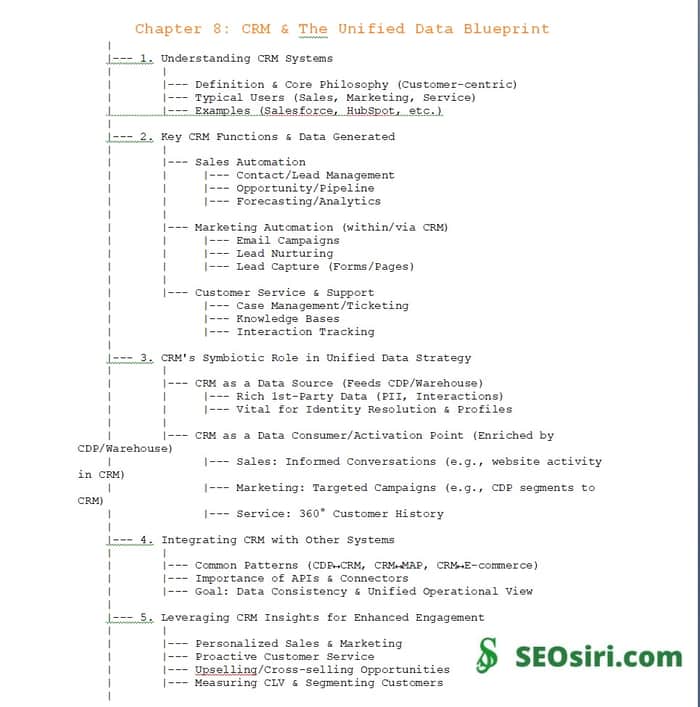
The Engine Room: Key CRM Functions – Sales, Service, and Marketing Data (Across platforms like Salesforce & HubSpot)
CRMs are multifaceted, typically offering robust functionalities across the three core pillars of customer interaction:
- Sales Automation: Powering Your Sales Force
This is often where CRMs shine brightest, streamlining and enhancing the sales process:
- Contact & Lead Management: A centralized repository for all customer and prospect details, including vital communication history. No more scattered notes!
- Opportunity & Pipeline Management: Visually tracking deals as they progress through various sales stages, from initial contact to closed-won.
- Sales Forecasting & Analytics: Providing data-driven insights to predict future sales, understand performance, and identify trends.
- Task & Activity Management: Helping sales reps organize their day, track follow-ups, and ensure no lead falls through the cracks.
- Marketing Automation: Nurturing Relationships at Scale (Often Integrated or a Module)
While some CRMs (like HubSpot) have strong built-in marketing features, others (like Salesforce with its Marketing Cloud) integrate seamlessly with dedicated marketing automation platforms or offer powerful add-on modules:
- Email Marketing Campaigns: Managing and executing targeted email communications to known contacts and segments.
- Lead Nurturing Workflows: Automating follow-up sequences to guide prospects through the buyer's journey.
- Landing Pages & Forms: Creating optimized pages and forms to capture new leads effectively.
- Campaign Effectiveness Tracking: Measuring the ROI and impact of various marketing initiatives.
- Customer Service & Support: Delivering Stellar Experiences
A crucial component for retention and satisfaction (think Salesforce Service Cloud or HubSpot Service Hub):
- Case Management & Ticketing Systems: Organizing, tracking, and resolving customer issues efficiently.
- Knowledge Bases: Providing a self-service portal for customers to find answers to common questions.
- Interaction Tracking: Logging all customer service communications and resolutions for a complete history.
- Omni-Channel Support: Enabling support through various channels like email, phone, and chat, all managed centrally.
The Data Goldmine: Collectively, these functions generate a wealth of invaluable first-party data: contact details, detailed purchase histories, communication logs, support tickets, sales activities, and engagement with marketing campaigns by known leads.
The Symbiotic Relationship: How CRM Data Integrates with Your Unified Data Strategy (via CDP/Data Warehouse)
Read more- https://www.seosiri.com/2025/05/data-blueprint-ch-8.html
