Saving Grandma; The Ugly Truth of Nursing homes and elder neglect
What is Elder Abuse?
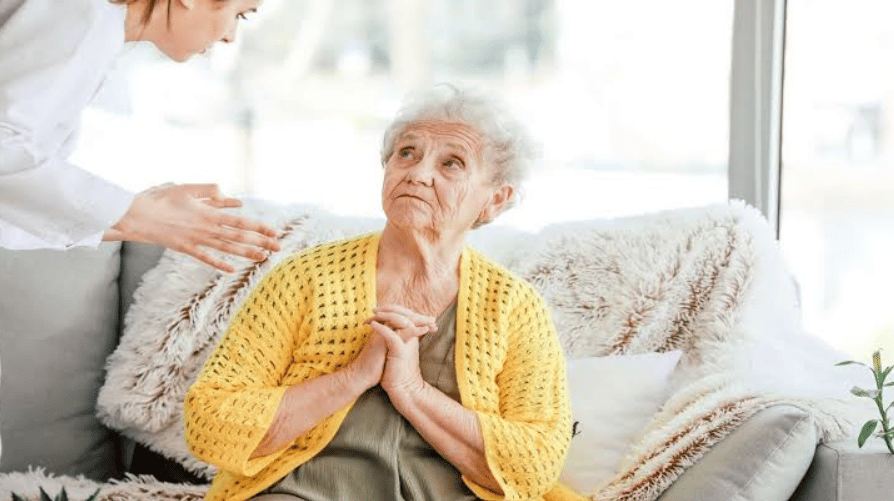
Elder abuse is the mistreatment and neglect of senior citizens, both in care facilities and in other situations. Elder neglect is the painful reality that approximately 1 in 6 older adults in America experiences. This is a serious public health problem that is often overlooked. Especially after the COVID-19 pandemic, concerns surrounding elder abuse and neglect have continued to draw significant attention, according to the World Health Organization. While we may never hear many of the horrible accounts our loved ones endure, Ms. Rosa's case is a powerful example of the harmful impact elder abuse can have. Ms. Rosa lived in a nursing home where I volunteered, and she developed bed sores and was left on the floor of her room with a broken hip for 12 hours at a previous facility. While Ms. Rosa was able to heal and transfer to another facility, many victims are not so fortunate. Ms. Rosa represents the countless elderly victims who are too frail or vulnerable to fight for themselves and need a voice and protector. If you suspect that a loved one has suffered abuse or neglect in an assisted living facility, a nursing home abuse attorney can help protect their rights and explore potential legal options.
KNOW the Signs
Knowledgeable- Being knowledgeable is the best tool to help Elders; before aiding them in finding a residential facility researching every staff member and other patients' satisfaction can be the difference in life or death. Being knowledgeable will help you sort the nice from the dangerous and educate you on the signs to beware and look for.
Notice - When visiting or caring for an older person noticing behaviors, marks, and other signs of abuse is key to reporting and preventing further damage. Brushing off scars or bruises because a patient may be old is dangerous and keeps abusers safe rather than protecting victims. Open- If an elder opens up and tells you about their living conditions, it is essential not to be a bystander and listen to them. Many of their traumas are difficult to discuss, and if a victim shares their experiences with you, it is essential to provide proper help and safety. Additionally, if you watch, see or hear elder abuse, it is vital to report and protect patients.
Why- Elders who have been abused have a 300% higher risk of death when compared to those who have not been mistreated, according to the National Council on Aging. This statistic saves the most important "why," as no human deserves to spend their final years in fear. By KNOW-ing the signs and watching for abuse can minimize damage and prevent trauma before it occurs. By KNOW-ing what to look for in a nursing home or other residential facility can reduce the likelihood of elder abuse.
Types of Abuse
Physical Abuse
Physical abuse refers to harm by contact with the elderly. This includes but is not limited to Bruising, Hitting, Kicking, Punching, Pushing/shoving, Restraining, Scratching, and Slapping. This is the most known type of abuse, and the impact is detrimental. In a Connecticut study on aging, researchers found that just 9% of seniors who were physically abused or neglected were still alive after 13 years, compared to 40% of those who weren't abused. The signs of this type of abuse include Bruising, burns from appliances or cigarettes, Bruises, especially around the arm, Broken bones, Dislocated joints, Hair or tooth loss, and Sprains.
Financial abuse
Financial abuse refers to the movement and stealing of elders' money without their knowledge or consent. While this is often from family members, facility workers also have the trust and accessibility to financial information. Thankfully the signs are easier to watch, and a caregiver can add restrictions at many banks to prevent the possibility. Some warning signs include Unexplained changes in a bank account or banking practices or withdrawal of large sums of money or securities. Watch for any new or added names on an elder's bank signature card or brokerage accounts or suspicious activity with the elder's funds using the elder's ATM card. Any sudden changes in a will or other financial documents should be a reason for concern, and the elder should give consent before any changes.
Suppose the elder has home health or other professionals entering and exiting the home. In that case, it is essential to watch for unexplained disappearance of funds or valuable possessions, substandard care being provided by staff or family members, and unpaid bills despite adequate funds. It is also important to watch for the elder's signature being forged for financial transactions or titles of possessions and the sudden appearance of previously uninvolved relatives claiming economic rights. When talking to an elder who has experienced financial abuse, they can display the following symptoms: Fear and anxiety when finances are brought up, not having a clear picture of their financial situation, or missing money after a nursing staff visit.
Emotional Abuse
Emotional abuse is a caregiver saying hurtful words, yelling, threatening, or repeatedly ignoring the older adult. Another form of emotional abuse is keeping that person from seeing close friends and relatives. This is often referred to as psychological abuse and is the most frequent form of abuse elders face. Emotional abuse is degrading and can make the elderly lose respect and dignity for themselves in an already challenging time. Nearly 1 out of every three nursing home staff members admitted to psychologically abusing residents, according to a 2020 study from the World Health Organization (WHO). Emotional abuse can lead to Anxiety, Decreased physical health, Depression, Low self-esteem, post-traumatic stress disorder (PTSD), and social isolation and loneliness. Emotional abuse is more difficult to manage and watch for signs. Still, some symptoms include: appearing afraid of their caregiver, being depressed or withdrawn, shyer than usual, avoiding eye contact, changes in eating or sleeping patterns, engaging in self-harm, low
self-esteem, Isolating, rocking back and forth, and self-neglect (lack of proper health care) can all be signs that emotional abuse has occurred. Providing a safe, trustworthy team for elders is essential for them to thrive. Providing therapies and mental health professionals can help elders impacted by emotional abuse. If there’s a life-threatening mental health emergency, call 988 the Suicide and Crisis Lifeline.
Sexual abuse
Sexual abuse is the most underreported form of elder abuse. Elder sexual abuse occurs when the elder cannot voice consent or disapproval for the actions occur to them. Oftentimes victims suffer from memory disorders like Alzheimer’s or dementia making them easier targets for abusers as they will not remember all the details, yet the psychological and physical scars will remain. Oftentimes caregivers take their roles of power and use them to intimidate and silence elders, which causes them not to be caught. Some of the signs sexual abuse has occurred can include Sustaining a pelvic injury, problems walking or sitting, developing a sexually transmitted disease or STD, torn, bloody, or stained underwear, bruises of the genitals or inner thigh, bleeding from the anus or genitals, irritation or pain of the anus or genitals, panic attacks, signs of Post-traumatic stress disorder (PTSD), symptoms of agitation, social or emotional withdrawal from others, engaging in inappropriate, unusual or aggressive sexual activities, suicide attempts and or engaging in unusual or inappropriate actions that appear to be from a sex role relationship between the perpetrator of elder sexual abuse and the victim. All of these signs are to be taken seriously and need to be reported immediately.
Neglect
Neglect occurs when the needs of the elder are not adequately met. By not meeting their needs, the elder does not have the resources to thrive properly. Signs of Neglect include extreme dehydration, malnutrition, untreated bed sores, and poor personal hygiene. It is also essential to watch for unattended or untreated health problems and hazardous living conditions. According to the National Center for Victims of Crime, neglect accounted for 14% of complaints against nursing homes. This is a large rectangle of elderly issues, and the background and research into the caregiver are most critical to prevent this.

