She Built a Profitable SaaS MVP With Zero Coding – Here’s How
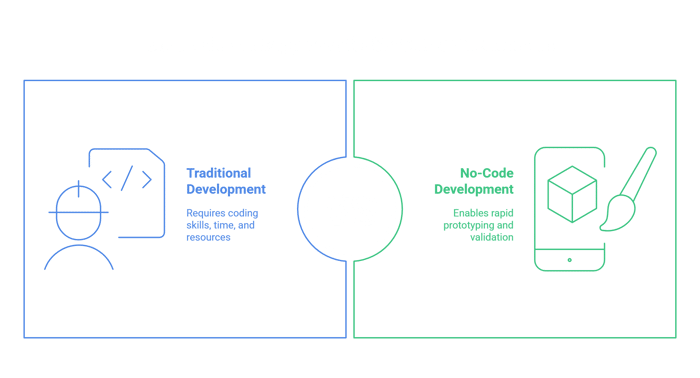
I used to believe building profitable SaaS products required hefty technical skills or plenty of cash to hire skilled developers. Until my friend, Maya, proved me wrong.
Maya had tons of brilliant business ideas but zero coding skills. Her past attempts fizzled out because everything relied heavily on finding dependable devs—a challenge we know too well.
But this time, she decided to change her playbook. Instead of spending months hunting for developers or signing up for expensive dev agencies, Maya discovered Fuzen.io—a platform she had never heard of before. She described it as a no-code SaaS wizard that was friendly enough for her non-technical mind yet powerful enough to build a robust MVP.
Her idea was simple:
Maya saw HUGE frustration among small construction companies. They struggled with messy project management spreadsheets, lost emails, inconsistent reports, and scattered communication channels slowing down their projects.
Instead of building a massive project management app targeting everyone, Maya decided to hyper-focus on a very specific niche: small residential construction firms. She envisioned a simple, easy-to-use SaaS app that streamlined daily project updates, document sharing, site progress tracking, and invoicing.
Designing the MVP (with zero tech skills):
Fuzen.io allowed her to visually create a workflow reflecting exactly how her customers operated.
She connected Google Sheets for tracking project tasks, Gmail integration for communication, and Google Drive to store site progress photos and documentation—all pulled together in an intuitive dashboard interface.
Within less than a week, she'd built a fully functioning MVP without writing even a single line of code.
Launching and validation:
Maya leveraged a simple landing page (built using Carrd), and her circle of connections she gathered on LinkedIn and Facebook construction groups to quietly launch her SaaS MVP.
She gained immediate traction. In just 2 weeks after launch, 7 construction companies reached out to try her app. Three became paying customers after a short trial. Maya priced her solution affordably at $49 per month, ensuring an easy "yes" from busy construction company owners overwhelmed with spreadsheets and emails.
Growth and profitability:
With quick initial revenue, validation of her idea, and direct insights from customers, Maya gradually refined her SaaS product—again, effortlessly managing product iterations within Fuzen.io.
Today, four months later, she has surpassed $1,500/month in recurring revenue. Her product is profitable, growing steadily, and customers love its precise targeting of their pain points.
Lessons Learned and Insights:
- Zero-code doesn't mean zero power: No-code platforms like Fuzen.io empower you to test ideas quickly and validate markets FIRST without extensive tech commitments.
- Micro-niche down: Going hyper-specific let Maya solve one problem exceptionally well instead of building yet another generalized solution.
- Speed wins: Launch quickly, iterate fast. Early real-world feedback is priceless.
Maya’s journey reinforced this idea for me: Stop overthinking product development as a non-technical founder. The tools available today drastically reduce your barriers to getting started.
What’s your 'Maya moment'? Have you ever considered how quickly you could validate and profit from your own SaaS idea using zero-code tools?
