Software Supply Chain Security for SaaS: A Practical Guide for ISVs
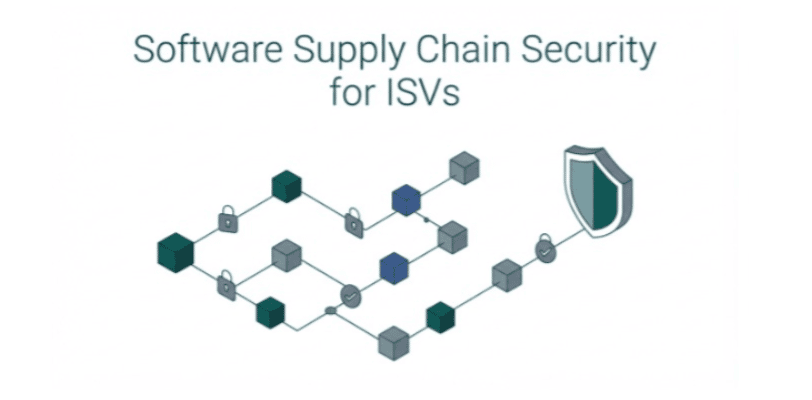
A small software team can ship a useful product and still lose time during a customer's security review. The questions often concern code the team did not write. Buyers want to know which packages ship, how they get updates, and who handles a new vulnerability.
For an independent software vendor, container security starts with a clear release process. You need to know what enters each image. You also need evidence that explains the choices behind it. Start with one product and make the process repeatable before you expand it.
Define what your team ships
List the container images that support the product. Include services, scheduled tasks, migration tools, and customer installation packages. A background task can carry old software even when the main service is current.
Assign an owner to each image. Record its base image, build source, release version, and support status. Identify whether your team runs it or customers install it. That distinction affects how you deliver updates and confirm their use.
Avoid a promise that every release is free of vulnerabilities. Make a promise your team can support through a clear update process. Define how you assess findings and how customers receive important notices.
Keep an inventory for each release
A software bill of materials, or SBOM, records components in a software release. Create it from the final image that you intend to ship. An inventory from an earlier build may miss packages that later steps add.
Store the SBOM with the image digest and release record. A digest identifies specific image content. A tag alone can change, so it cannot always identify what a customer received.
Make the inventory useful to another engineer. Include package names and versions where the build tools can detect them. Record known gaps in coverage. Keep the previous release inventory so you can explain what changed.
Review findings in context
A scanner result starts an investigation. Check the affected package, installed version, available fix, and role in the application. Separate a confirmed exposure from a finding that needs more evidence.
Use a consistent decision record. State the finding, the reason for the decision, the owner, and the next review date. If you defer a fix, describe the temporary control and its limits.
Vulnerability Exploitability eXchange, or VEX, can communicate whether a known vulnerability affects a product. Support each statement with evidence. A component that a test did not use still needs review before you declare it unnecessary.
Remove components with test evidence
Extra packages can add maintenance work and possible attack paths. Review build tools, debugging utilities, and optional features that remain in the final image. Remove a component only after you understand why it is there.
Runtime profiling records what software uses during execution. Exercise normal requests, background jobs, error handling, and startup tasks. Include uncommon customer features when they are part of the supported product.
A software supply chain security platform for containers can support this work. RapidFort profiles runtime usage and removes unused components as part of its hardening process. Test the resulting image against your own requirements before release.
Make updates part of normal delivery
Choose maintained base images and define when to review new versions. A supplier rebuild does not update the image that your customer already runs. Your team must rebuild, test, and distribute the application release.
Use automated checks for the steps that repeat. Generate the inventory, scan the image, and run application tests. Route failures to an owner who can decide what happens next.
Keep the previous working release available during deployment. Check service health and customer workflows after the update. Document how to restore the prior version if the new image fails.
Prepare a clear customer review package
Give customers a short description of your process. Include the release identifier, inventory location, update policy, and vulnerability contact. Explain how you track issues that remain open.
Use the same evidence in sales reviews and technical support. A shared record prevents different teams from making different claims. Remove confidential internal details before you share material outside the company.
Security questions can reveal missing work in the release process. Track repeated questions and improve the evidence at its source. This reduces the need to assemble a new response for each buyer.
Start with a release you can measure
Select one supported product and record its current image inventory. Complete the process through a real test release. Check that another engineer can find the evidence without asking the author.
Then review the result with support and product staff. Confirm that they can explain the update path to customers. Expand the process once the team can operate it with clear ownership and reliable records.

