Speedway / 7 -11 Fuel Card Program Delivers Fuel Savings
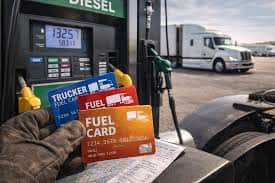
Without proper fuel management systems, fleet managers are operating blind in one of the largest fleet expense categories. Fleet fuel card programs offer a solution that goes beyond simple payment processing, transforming how businesses control, monitor, and optimize their vehicle operations. Speedway fleet fuel cards deliver measurable savings through rebates, fraud prevention, and automated expense tracking. Speedway / 7-Eleven offer specialized programs designed for local business needs.
What Makes Fleet Fuel Cards Different From Regular Business Credit Cards?
Traditional business credit cards treat fuel like any other expense. They offer generic rewards, minimal purchase controls, and no specialized reporting. Fleet fuel cards operate on entirely different infrastructure designed specifically for vehicle operations.
The critical distinction lies in purchase authorization technology. When a driver uses a fleet fuel card at a Speedway location, the system validates multiple data points instantly. Driver ID, vehicle number, odometer reading, and purchase limits all factor into the authorization decision. This level of control simply doesn't exist with standard payment methods.
Beyond security, fleet cards provide granular transaction data that reveals operational patterns. You see not just where money was spent, but which vehicles consume the most fuel, which routes cost more, and which drivers exhibit inefficient behaviors. This visibility transforms fuel from an uncontrolled expense into a manageable operational metric.
How Much Can Small Businesses Actually Save With Fuel Card Programs?
Let's examine the numbers with brutal clarity. Fleet fuel cards deliver up to 2.5% savings from cashback and rebates, 5% from fraud reduction, and another 5% by capturing missed savings. Combined, these mechanisms can reduce your total fuel spend by 12.5% annually.
For a small business operating ten vehicles, each consuming $500 in fuel monthly, that's $7,500 in annual savings. But the real value extends beyond direct cost reduction. Consider the administrative burden of processing receipts, reconciling expenses, and managing reimbursements. Fleet cards automate these processes entirely, freeing hours of administrative time weekly.
Fuel rebates from fleet cards can reach up to 5¢ per gallon at participating locations, leading to substantial annual cost reductions. When you multiply this across thousands of gallons annually, the impact becomes significant. A landscaping company with five trucks, for instance, could save $1,500 yearly on rebates alone at current consumption levels.
What Security Features Protect Against Fuel Fraud and Misuse?
Fuel fraud represents a hidden drain on business resources. Employees filling personal vehicles, purchasing non-fuel items, or exceeding authorized limits cost businesses millions annually. Fleet fuel cards eliminate these vulnerabilities through systematic controls.
Real time purchase alerts notify you immediately when transactions occur. You can restrict purchases to fuel only, set daily or weekly spending limits, and even specify authorized purchase times. When a driver attempts an unauthorized transaction at a 7-Eleven station, the card simply declines, preventing fraud before it happens.
The system also captures detailed transaction data that reveals patterns of misuse. Unusual purchase locations, suspicious timing, or purchases that don't align with vehicle capacity trigger automatic flags. This proactive monitoring replaces the reactive approach of discovering fraud weeks later during expense reconciliation.
How Do Driver ID Numbers and PIN Controls Enhance Accountability?
Driver accountability transforms from aspiration to reality with proper identification systems. Each driver receives a unique ID number that must accompany every transaction. This simple mechanism creates an unbreakable audit trail linking expenses to individuals.
The psychological impact proves equally powerful. When drivers know their purchases are tracked individually, behavior changes immediately. Unnecessary detours decrease. Premium fuel purchases for vehicles requiring regular grade stop. The mere presence of accountability drives more responsible decision making.
PIN controls add another security layer while maintaining operational efficiency. Drivers can't share cards or make unauthorized purchases without the correct PIN. Yet the process remains fast enough to avoid operational delays. A driver pulling into a Speedway location completes their transaction as quickly as with any payment method, but with complete security and tracking.
What Fleet Management Data and Analytics Come With Fuel Card Programs?
95% of fleet managers report that fuel cards provide valuable insights into fleet efficiency for data driven decisions. This statistic reveals a fundamental shift in how businesses approach vehicle operations. Fuel cards transform raw transaction data into actionable intelligence.
The analytics dashboard reveals patterns invisible through traditional expense tracking. You identify vehicles with declining fuel efficiency, suggesting maintenance needs. You spot drivers consistently choosing more expensive fuel stations despite nearby alternatives. You discover routes that consume disproportionate fuel, prompting optimization discussions.
This data integration extends beyond fuel purchases. Modern fleet card systems connect with telematics platforms, maintenance schedules, and route planning software. The result is comprehensive operational visibility that enables systematic optimization rather than reactive problem solving.
Which Speedway Business Solutions Work Best for Local Fleets?
Speedway's fleet card programs address specific challenges faced by local businesses. Unlike national programs designed for long haul trucking, these solutions recognize that local fleets operate differently. Your vehicles return to base daily. Your drivers follow regular routes. Your fuel needs are predictable but require flexibility.
The Speedway network provides consistent pricing and availability across locations. This reliability matters when managing multiple vehicles and drivers. You negotiate fuel discounts based on volume commitments, achieving savings typically reserved for larger operations. The program scales with your business, accommodating growth without requiring system changes.
Local businesses also benefit from dedicated support that understands regional operations. When issues arise, you work with representatives familiar with your market, your challenges, and your specific needs. This localized approach delivers solutions faster than generic national programs.
How Does Real Time Expense Tracking Reduce Administrative Burden?
49% of fleet managers rank easier fuel expense tracking as the top advantage of fuel cards, followed by improved budgeting at 47%. These statistics highlight a critical truth: the administrative burden of fuel management consumes significant resources in traditional operations.
Real time tracking eliminates the receipt collection nightmare that plagues small businesses. Every transaction automatically flows into your accounting system with proper categorization, tax documentation, and expense allocation. What once required hours of manual data entry now happens instantly without human intervention.
The implications extend beyond time savings. Real time visibility enables proactive budget management. You see daily fuel consumption trends, identify budget overruns immediately, and adjust operations before problems compound. This shift from reactive to proactive management fundamentally changes how businesses control expenses.
What Integration Options Exist With Fleet Management Systems?
Modern fuel card programs recognize that isolated solutions create operational silos. Integration with existing fleet management systems ensures data flows seamlessly between platforms, creating unified operational visibility.
API connections enable automatic data synchronization between fuel cards and fleet management software. Transaction data populates maintenance schedules, updating vehicle records with current mileage. Fuel efficiency metrics feed into vehicle replacement algorithms. Driver performance scorecards incorporate fuel purchase behaviors.
This integration eliminates duplicate data entry while ensuring consistency across systems. When a driver fuels at a 7-Eleven location, the transaction updates multiple systems simultaneously. Fleet managers access comprehensive dashboards showing fuel costs alongside maintenance expenses, utilization rates, and driver performance metrics.
Do Fuel Card Rebate Programs Really Deliver Meaningful Savings?
Skepticism about rebate programs is justified given the complexity often associated with rewards redemption. However, fleet fuel card rebates operate differently from consumer rewards programs. The savings apply automatically at the point of sale or through monthly statement credits.
62% of U.S. fleets currently use fuel cards, with 70% adoption among larger fleets compared to 60% for small businesses. This adoption gap reveals an opportunity for small businesses to capture savings their larger competitors already enjoy. The rebate structures favor consistent, predictable fuel purchases that characterize local fleet operations.
Consider a plumbing company with eight service vehicles. At current consumption levels, fuel rebates generate $3,000 annually in direct savings. But the indirect benefits prove equally valuable. Predictable rebates improve cash flow forecasting. Guaranteed savings justify investment in additional vehicles. The cumulative impact extends far beyond the rebate amount itself.
How Can Purchase Controls and Spending Limits Prevent Unauthorized Expenses?
Purchase controls represent the most immediate and measurable benefit of fleet fuel cards. You establish parameters that prevent unauthorized spending before it occurs, replacing the traditional model of discovering problems during monthly reconciliation.
The control mechanisms are surprisingly sophisticated. Set daily spending limits by driver or vehicle. Restrict purchases to specific product categories. Define authorized purchase windows aligned with shift schedules. Establish geographic boundaries for acceptable transactions. Each control layer adds security without impeding legitimate operations.
These controls adapt to operational realities. A delivery driver might have higher daily limits than an administrative vehicle. Weekend restrictions might apply to some vehicles but not emergency service trucks. The flexibility ensures security measures enhance rather than hinder operations.


For those of us building logistics or delivery MVPs in the UK, the unit economics are even tighter, but the optimization strategy is slightly different due to the tax structure.
In the US, it's mostly about the raw 'cents per gallon' reduction. In the UK, the 'silent killer' of margins is the administrative friction and VAT reclamation gap. A lot of early-stage founders here just put fuel on a standard corporate credit card, which results in 'Level 2' data (just the merchant and total amount) rather than 'Level 3' line-item detail (litres, fuel type, VAT breakdown).
I recently migrated our fleet expense stack to a Right Fuel Card account specifically to solve this data granularity issue. It’s less about the pump price (though the fixed weekly rate helps hedge against volatility) and more about the automated invoice telemetry.
Getting a single, HMRC-compliant data feed for all vehicle running costs allowed us to tighten our 'Cost Per Mile' (CPM) calculations significantly. If you aren't separating your fuel spend at the transaction level, you are likely bleeding 20% on unrecovered VAT or missing variances in vehicle efficiency.
Great find for the US guys, but for any UK operators, I’d recommend prioritizing data visibility over raw pump discounts.