Startups of the week: 3D-printed tiles to help restore coral reefs, turning food waste into food containers & more.
Luxexcel

Luxexcel uses 3D printing to make prescription lenses for glasses. They have developed a proprietary process for printing prescription lenses, which allows them to produce custom lenses on demand. The process involves printing the lenses layer by layer using a special resin material, which is then cured and finished to produce a high-quality lens. Luxexcel's 3D printing technology allows for the production of lenses with complex shapes and prescriptions, which can be customized to meet the specific needs of each customer. More recently, the company has focused its efforts on smart lenses, which can be printed with integrated technology like LCD displays and holographic film.
Archireef
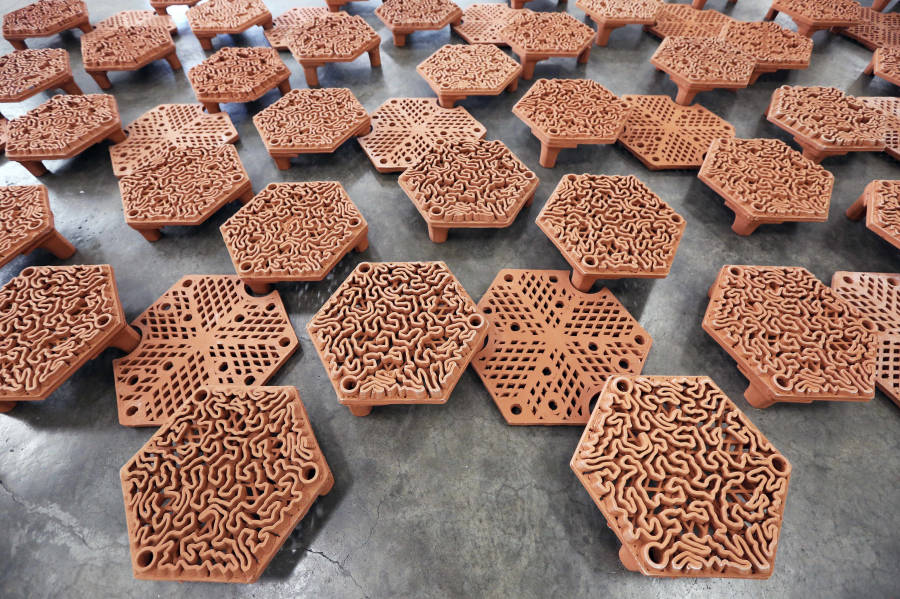
A Hong Kong startup is using 3D-printed tiles to help restore coral reefs. In a world first Archireed 3D-printed artificial reef tiles made from terracotta Terracotta is a type of baked clay that is commonly used to make decorative objects. They're non-toxic and biodegradable. The team placed the tiles on the sandy bottom of a protected bay and seeded them with living coral, and 95% survived in the past two years. The tiles could have global applications for coral adaptation. Reefs protect homes and businesses, breaking up destructive waves from storms. More than 1 billion people depend on coral, which plays an essential role in fisheries, tourism and even medicine.
German bionic
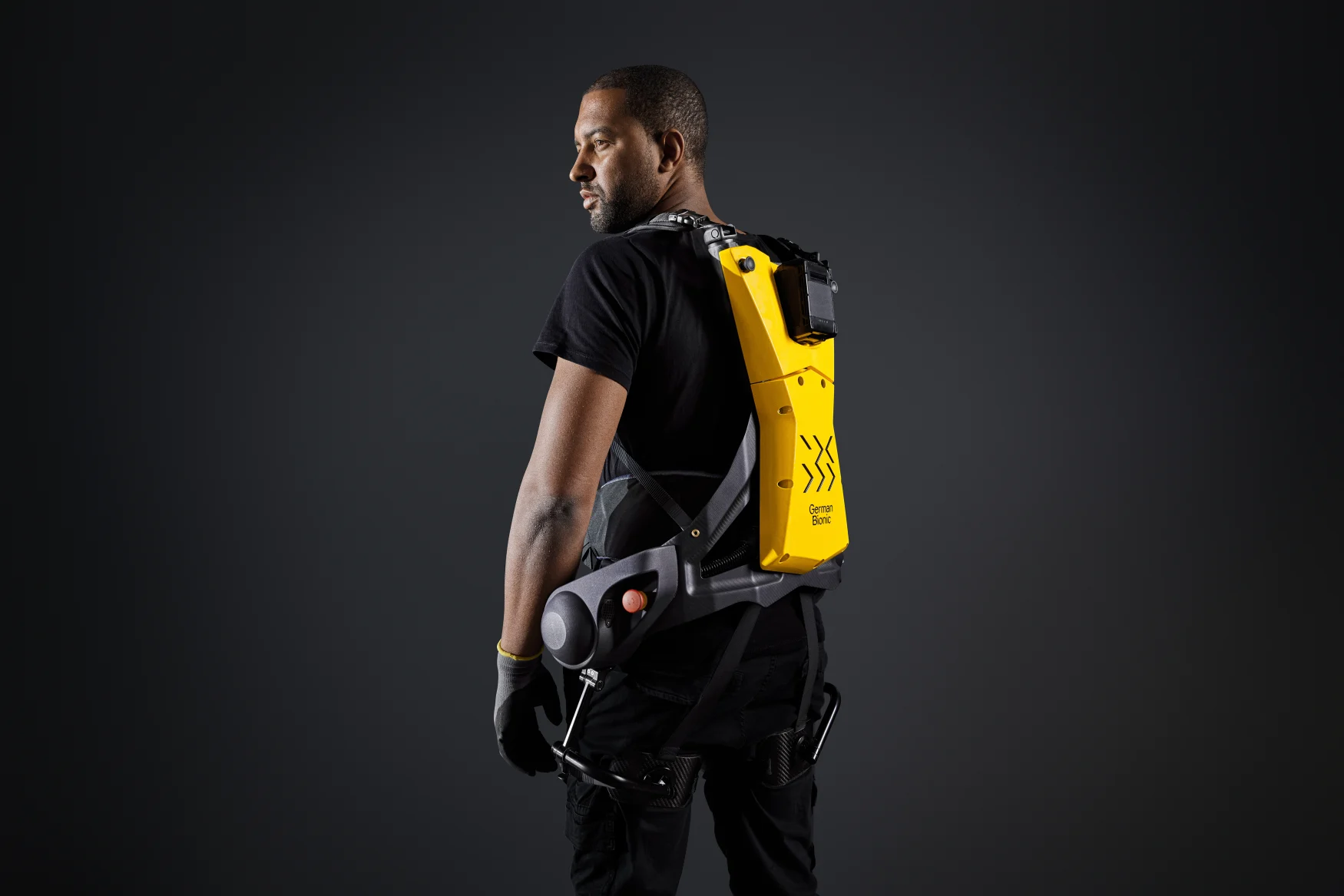
German startup unveils the lightest and most versatile AI-supported 'power suit'. Their exoskeletons provide mechanical support for tasks such as lifting and carrying, and they are equipped with a smart assistance system that alerts users if they are lifting incorrectly or if it is time for a break. This helps to prevent illness and accidents caused by excessive strain, leading to fewer days off work and more productive employees. The firm's new offering, which is a lighter and more comfortable suit than its predecessors, is a dust and water-resistant skeleton that provides up to 30 kg of support for the lower back per lifting movement and helps minimize fatigue thanks to active walking assistance.
Alterpacks
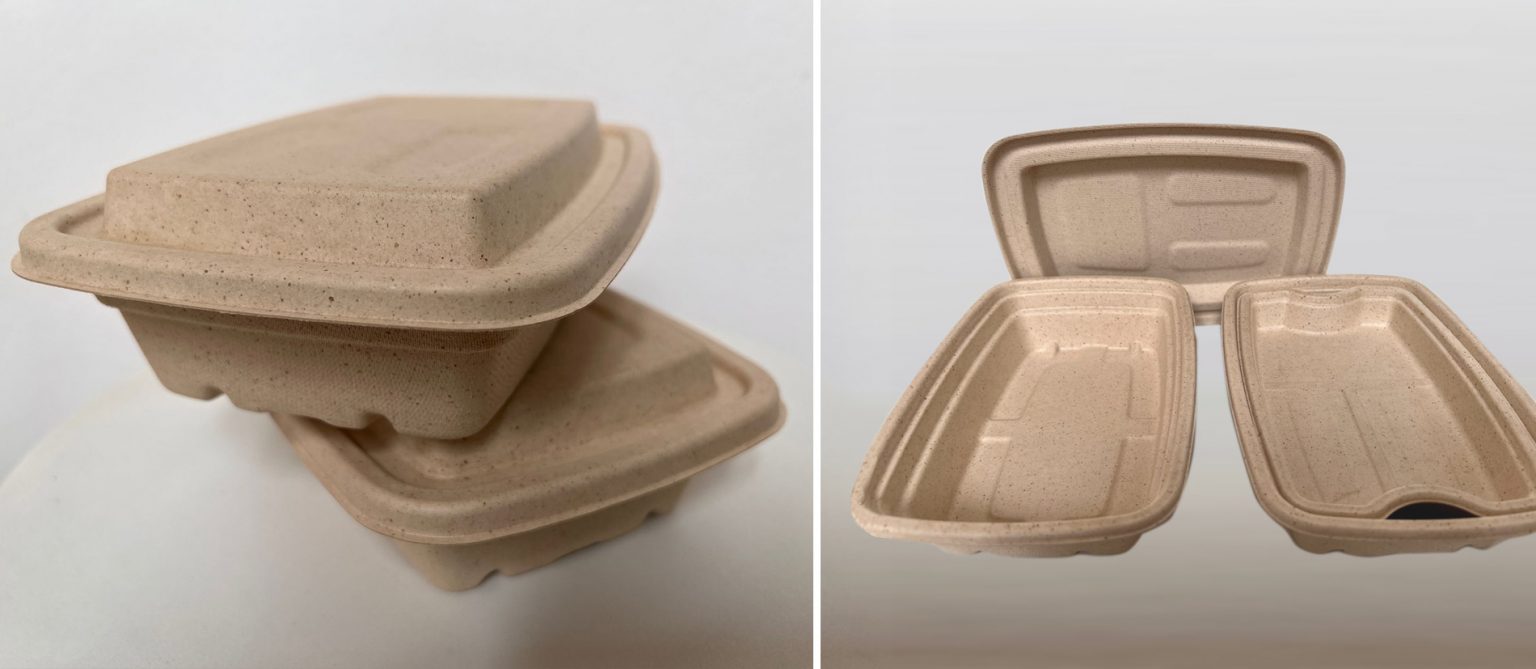

This Singaporean startup turns food waste into food containers. AlterPacks is a company that uses spent grains, a byproduct of the food industry, as its primary raw material. Spent grains are typically used for animal feed or as fertilizer, or they may be discarded. However, AlterPacks has developed a manufacturing process that transforms these spent grains into food containers that can withstand freezing and microwaving, and can be composted at home. These containers can also be molded into various shapes. Using food waste to create eco packaging helps to reduce waste and can also reduce the environmental impact of packaging production, as it reduces the need for oil.
