Step By Step Guide To Find, Hire And Work With Software Engineers
I’ve partnered and worked with founders from fitness, education, and ecommerce who all faced the same problem. They knew what they wanted to build but couldn’t visualize or see a a clear way in their mind of building it and watch it structure and grow infront of their eyes. The anxiety hits hard. You have a brilliant app idea but can’t code it yourself.
The Main Problem: No Starting Point
The real challenge for non technical founders is that they have no foundation or base to build upon. One founder I’ve worked for sketched their ideas on paper just to have something visible. He thought that drawing it on paper was even easier than creating a landing page on a website builder.
Sure, they could create basic landing pages with WordPress or other website builders, but what this founder needed wasn’t more planning or documentation but a starting point that engineers could actually build upon. Something they could see, touch, and modify TOGETHER with the software engineer.
Step 1: Create A Functional Blueprint
Forget about the design first. What you need is a functional starting point that shows your core idea and features and that doesn't have to be functional. This could be a landing page if you have some experience using a website builder and that could act as a PowerPoint presentation for you and the developer.
As a software engineer I wouldn’t also mind having a paper in hand from the client where they drew a mock of the website or app. This helps me understand the core features to discuss it together and also shows that the client is passionate and put in the work which makes it more exciting for both of us.
When my protein subscription client first approached me, I helped them create a mockup or a blueprint site that demonstrated user flows from registration to product selection with menu and the navigation. This transformed our conversations from ideas to real implementation details. It had minimal styling and design elements since that wasn’t what is important at this stage.
When you have this base, the client can simply tell me as the engineer to move things around on the actual website and add a feature here and there without a lot of going back and forth.
Step 2: Ask Engineers About Pre Built Modules
What most founders don’t realize is that 80% of apps uses the same components as thousands of other applications. Authentication, user profiles, payment processing and notifications are all common features.
For almost all my clients I plug in a tested pre built authentication module and give them a fully functional login system in minutes. This immediately let users create accounts, reset passwords, and access a basic dashboard that we can start building on together and customize to reflect the idea.
With these blocks in place you and the engineer can focus on the 20% that makes your application different. When searching for an engineer ask them about prebuilt modules and websites they built since reusing modules will affect and should reduce cost. A fully secure authentication and authorization system shouldn’t cost thousands of dollars since its a common thing. An experienced engineer will charge more on core customized features and should charge little for the common blocks.
Now with the help of AI those common features are even easier to build if a engineer does not have prebuilt modules. The difference is that those modules wouldn’t be really tested in a real environment.
Step 3: Build Together In Real Time
The most powerful insight I’ve gained working with non technical founders is that collaborative building beats documentation all the time. Once you have a blueprint and basic common modules development becomes a fun conversation.
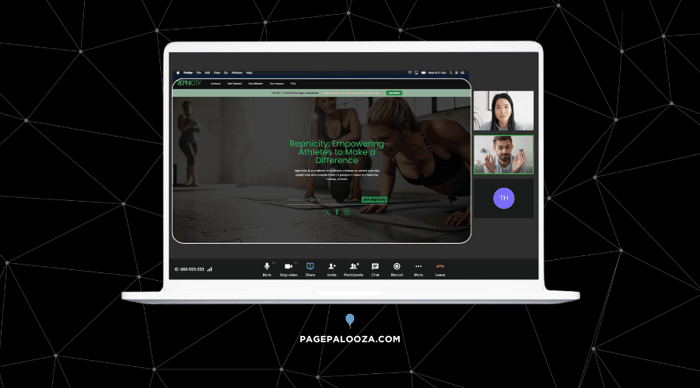
With founders I work for we meet sometimes more than once a week depending on the progress and have the site open. We would navigate through it, point to elements, and describe what should happen. I would sometimes implement changes in real time if it wasn’t anything major, and get quick feedback.
This way founders can visualize changes immediately, watching their ideas come to life in real time. Any misunderstandings become obvious and fixable on the spot. The product grows with constant feedback, creating a solution that truly matches the founders vision. The ability to see the product take shape before their eyes takes away the anxiety previously mentioned and builds a lot of confidence in the development process.
Step 4: Focus On Core Features First
The biggest mistake non technical founders make is trying to build everything at once. Instead, identify and build the core functionality first.
By focusing on that core features and implementing it on top of our blueprint and pre built modules, we created a working product that can be demonstrated within weeks. Once users can experience and see the core features, everything else becomes easier to implement and customize.
As a software engineer building the core features is the main thing that I want to deliver and anything else such as styling and design becomes just make up and easy to implement.
I Built a Platform to Make This Process Easier
After helping non technical founders through this development process, I decided to build a platform that would help with this approach. This led me to the create PagePalooza, which is a platform designed specifically for this collaborative building process.
PagePalooza is not a website builder. It enables non technical founders to create blueprints that serve as a foundation or presentation to grow upon with the help of a Palooza software engineer. The platform also includes a project management dashboard where engineers create specific tasks for each feature implementation and we can both see the features that we are working on.
The most successful tech products aren’t built through just outsourcing and forgetting. They take shape through a collaborative process where both sides contribute to the final product passionately working together. With PagePalooza.com, founders pay a one-time fee for each feature when completed, creating clear expectations and visual progress. This also eliminates the anxiety of ongoing development costs with uncertain outcomes and gives founders complete control over their project’s budget and timeline.
