Stop Tracking Tasks, Start Managing Your Flow: Why Oria Wins
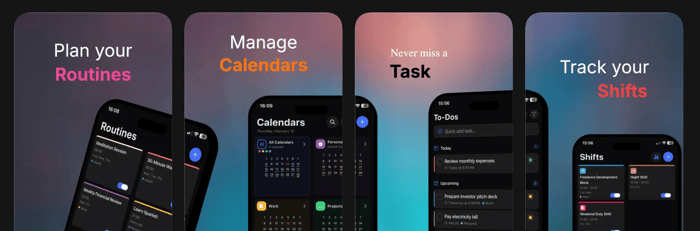
We’ve all been there: a calendar full of overlapping blocks and a to-do list that looks like a never-ending grocery receipt. For most indie hackers, traditional productivity tools don't solve the problem—they just organize the chaos. This is why many are moving toward Oria, a tool designed not just to list tasks, but to manage the biological and mental "shifts" we go through every day.
The Problem with Traditional To-Do Lists
Most apps treat every task the same. But answering emails isn't the same as deep-coding a new feature. When you treat your day as a flat list, you ignore the cognitive cost of switching contexts.
Traditional apps focus on what you need to do. They lack the "vibe" and the "flow" of a founder’s actual life. You don't need another list; you need a blueprint for your energy.
What Makes Oria Different?
The core strength of Oria lies in its "Shift" philosophy. Instead of rigid time-slots that break the moment you get a phone call, it focuses on the routine.
Here is why it’s standing out in the crowded productivity market:
- Mindset Alignment: It helps you categorize your day into specific "states of mind" (Work, Health, Creative, Rest).
- Visual Simplicity: It removes the clutter that usually causes more anxiety than it solves.
- Routine-First Architecture: While other apps are built for one-off tasks, this is built for the long-term habits that actually build businesses.
Why You Should Make the Switch
If you are tired of "ordinary productivity apps" and actually want to get work done, you need a tool that respects your focus. The reason to choose a shift-based approach over a traditional calendar is simple: Adaptability.
Life happens. Projects pivot. A rigid calendar breaks under pressure, but a routine-based system bends and adapts. By using Oria, you aren't just filling a schedule; you are designing a lifestyle that makes success inevitable.
Stop fighting against your clock and start working with your rhythm.
How do you guys handle context-switching during the day? Do you use a routine planner or just wing it?
