Technology Is Transforming Modern Delivery Operations
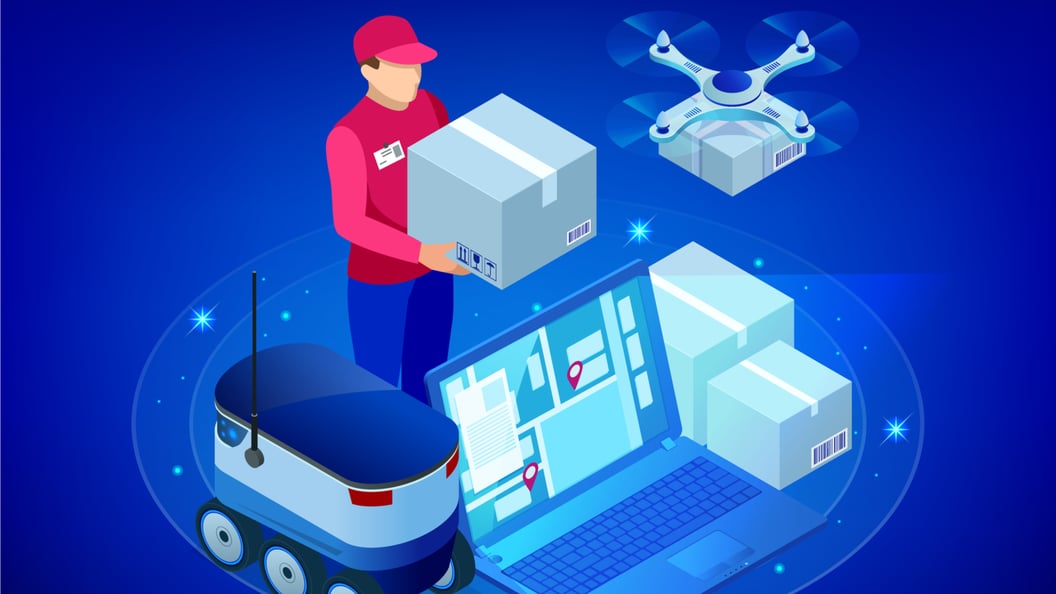
Delivery operations have changed significantly in recent years. Customers now expect faster shipping, accurate delivery windows, real-time updates, and convenient communication throughout the delivery process. At the same time, businesses are under pressure to control transportation costs, manage drivers efficiently, and handle growing order volumes.
Technology is helping businesses address these challenges by replacing manual processes with connected, data-driven systems. From automated scheduling and route planning to real-time tracking and digital proof of delivery, modern tools are making delivery operations faster, more transparent, and easier to manage.
The Evolution of Delivery Operations
Traditional delivery management often depended on phone calls, spreadsheets, paper documents, and manually planned routes. While these methods may work for small operations, they become difficult to manage as the number of orders, vehicles, and delivery locations increases.
Modern delivery operations rely on centralized digital systems such as last-mile logistics software. Managers can monitor deliveries, communicate with drivers, adjust schedules, and analyze performance from a single platform.
This shift has created a more connected delivery environment where businesses can respond quickly to unexpected changes while customers receive better visibility into their orders.
Why Traditional Delivery Processes Are No Longer Enough
Manual processes create several problems for growing businesses. Planning routes by hand can result in inefficient journeys, while limited communication can make it difficult to respond to delays or customer requests.
Another challenge is the lack of accurate operational data. When information is spread across spreadsheets, emails, and paper records, managers may struggle to understand where delays are occurring or how efficiently resources are being used.
Modern technology addresses these limitations by bringing important information together. Businesses can automate repetitive tasks, monitor operations in real time, and use historical data to make better decisions.
How Technology Is Transforming Delivery Operations
Technology is changing almost every stage of the delivery process. Instead of simply helping businesses track completed deliveries, modern systems can support planning, execution, communication, and analysis.
Real-Time Tracking and Visibility
GPS technology allows businesses to monitor vehicles and delivery progress in real time. Managers can see where drivers are, identify potential delays, and provide customers with more accurate delivery information.
Real-time visibility also improves accountability. If a delivery is delayed, businesses can investigate the reason and take appropriate action rather than relying entirely on driver updates.
Automated Dispatching and Scheduling
Scheduling deliveries manually can consume significant time, particularly when businesses manage hundreds of orders each day.
Automated dispatching tools can consider factors such as delivery locations, vehicle availability, driver schedules, and delivery priorities. This helps managers create more practical schedules while reducing administrative work.
Route Planning and Optimization
Efficient route planning can have a direct impact on fuel consumption, driver productivity, and delivery times.
Technology can analyze multiple delivery locations and identify efficient routes based on factors such as distance, traffic conditions, delivery windows, and vehicle capacity. When circumstances change, routes can also be adjusted more quickly.
Digital Proof of Delivery
Paper-based delivery documentation can be slow and difficult to organize. Digital proof of delivery allows drivers to capture signatures, photographs, timestamps, and other information electronically.
This creates a searchable record of completed deliveries and can make it easier to resolve disputes or verify delivery details.
Key Technologies Driving Modern Delivery Management
Several technologies are contributing to the transformation of delivery operations.
Automation and Artificial Intelligence
Automation reduces the amount of repetitive work required from logistics teams. Tasks such as assigning deliveries, sending notifications, updating records, and generating reports can be automated.
Artificial intelligence can take this further by identifying patterns in operational data and helping businesses make better predictions. For example, historical delivery information can help identify periods when delays are more likely to occur.
GPS and Location-Based Technology
GPS provides the foundation for many modern delivery processes. It enables vehicle tracking, location verification, route monitoring, and more accurate estimated arrival times.
When combined with other technologies, location data can provide managers with a comprehensive view of their delivery network.
Cloud-Based Platforms
Cloud-based technology allows teams to access operational information from different locations and devices. Managers can monitor deliveries from an office, while drivers can access assigned jobs through mobile devices.
Cloud platforms can also make it easier to connect different parts of the business, including order management, customer service, inventory, and transportation operations.
Data Analytics and Reporting
Data provides valuable insight into delivery performance. Businesses can analyze metrics such as delivery times, fuel consumption, failed deliveries, driver productivity, and customer feedback.
These insights can help managers identify inefficiencies and make informed improvements rather than relying on assumptions.
The Business Benefits of Modern Delivery Technology
Investing in technology can produce benefits across the entire delivery operation.
Lower Operational Costs
Better route planning can reduce unnecessary mileage and fuel consumption. Automation can also reduce administrative workloads, allowing employees to spend more time on higher-value activities.
Faster Delivery Times
Optimized routes, better scheduling, and real-time adjustments can help drivers complete deliveries more efficiently. This can be particularly valuable for businesses competing on delivery speed.
Better Resource Utilization
Technology can help businesses understand how vehicles and drivers are being used. Managers can identify underutilized resources and distribute workloads more effectively.
Improved Customer Satisfaction
Customers want more than a simple delivery confirmation. They increasingly expect accurate delivery windows, tracking updates, and timely communication.
Providing this visibility can create a smoother customer experience and reduce the uncertainty associated with waiting for an order.
How Technology Helps Solve Common Delivery Challenges
Delivery operations can face numerous problems, but digital tools provide ways to address many of them.
Delays and Missed Deliveries
Real-time monitoring can help managers identify delays before they become major problems. Automated notifications can also keep customers informed when delivery schedules change.
Inefficient Routes
Route planning technology can analyze multiple stops and identify more efficient sequences. This reduces unnecessary travel and can help drivers complete more deliveries during their working hours.
Poor Communication
Centralized communication tools can connect dispatchers, drivers, and customers. Instead of relying on multiple phone calls, teams can share updates through a connected system.
Limited Delivery Visibility
Without real-time information, managers may not know the status of a delivery until the driver reports back. Tracking technology provides continuous visibility and makes it easier to respond to problems.
The Role of Real-Time Tracking in Customer Experience
Real-time tracking has become an important part of modern customer service. Customers want to know when their orders are expected to arrive and whether anything has changed.
Providing tracking information can reduce the number of "Where is my order?" inquiries received by customer service teams. It also gives customers greater confidence in the delivery process.
For businesses, tracking data provides additional operational value. Managers can use it to monitor driver progress, identify recurring delays, and improve future planning.
How Data and Analytics Improve Delivery Performance
Data can turn everyday delivery activity into actionable business intelligence.
For example, a company may discover that certain delivery areas consistently experience delays during specific periods. Managers can then adjust schedules or routes accordingly.
Similarly, analyzing failed deliveries may reveal common causes such as incorrect addresses, unavailable recipients, or unsuitable delivery windows.
Key performance indicators can include:
On-time delivery rate
Average delivery time
Cost per delivery
Vehicle utilization
Driver productivity
Failed delivery rate
Customer satisfaction
Total mileage
Monitoring these metrics over time helps businesses identify trends and measure whether operational changes are producing meaningful results.
Choosing the Right Technology for Your Delivery Operations
Not every business has the same delivery requirements. A small local company may need simple tracking and scheduling capabilities, while a large logistics operation may require advanced automation and integrations.
Essential Features to Consider
Businesses should look for technology that supports their specific operational needs. Useful capabilities may include route planning, real-time tracking, automated scheduling, driver communication, digital proof of delivery, analytics, and customer notifications.
Scalability and Integration
Technology should be able to grow with the business. A solution that works for 50 deliveries per day may not be suitable when the business expands to 500 or 5,000.
Integration is equally important. Connecting delivery operations with existing order management, CRM, inventory, or accounting systems can reduce duplicate data entry and create a more connected workflow.
Ease of Use and Mobile Accessibility
Even powerful technology can create problems if employees find it difficult to use. Businesses should prioritize intuitive interfaces and mobile accessibility, especially because drivers need to interact with delivery systems while working in the field.
Future Trends Shaping Delivery Operations
The transformation of delivery operations is likely to continue as new technologies become more accessible.
Artificial intelligence will play a larger role in forecasting demand, optimizing routes, and identifying operational patterns. Predictive analytics may help businesses anticipate delays before they happen.
Automation will also continue expanding. More delivery processes may require minimal manual intervention, from order assignment to customer notifications.
Another important trend is the increasing focus on sustainability. Businesses are looking for ways to reduce unnecessary mileage, optimize vehicle utilization, and lower fuel consumption. Technology can support these goals by making transportation operations more efficient.
Conclusion:
Technology is no longer simply an additional tool for delivery teams. It has become an important part of building efficient, scalable, and customer-focused operations.
Real-time tracking provides visibility, automation reduces manual work, route planning improves efficiency, and analytics helps businesses make better decisions. Together, these capabilities can help organizations reduce costs while delivering a better customer experience.
For businesses looking to modernize their delivery operations, the key is not simply adopting the newest technology. It is choosing tools that solve existing operational problems, integrate with current workflows, and provide enough flexibility to support future growth.

