Testosterone Test – What It Is, How It’s Done & Results
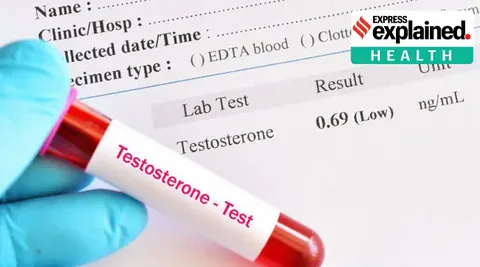
You’ve been living with persistent tiredness, mental fog, and fading drive and strength. You’ve tried fixing it with better sleep, more training, and cleaner eating — yet something still feels off. For men experiencing these ongoing symptoms, many start exploring a TRT clinic in UK to access proper hormone testing and medical evaluation, helping to determine whether a testosterone imbalance may be contributing to these changes.
Now you’re wondering whether a testosterone test could finally give you answers.
Most men in Hull, Yorkshire, and across the UK feel the same hesitation. They’re not sure what the test actually involves, how to prepare, or what the numbers really mean. This guide explains everything clearly and simply, so you know exactly what to expect.
What a Testosterone Test Actually Measures
A testosterone test is a straightforward blood test that checks the level of testosterone (and often several related hormones) in your bloodstream. Testosterone is the primary male hormone responsible for energy, muscle maintenance, mental sharpness, mood, and libido.
The test usually looks at:
Total testosterone – the overall amount in your blood
Free testosterone – the active, unbound portion your body can actually use
SHBG (sex hormone-binding globulin) – the protein that carries testosterone
Supporting markers such as LH, FSH, oestradiol, prolactin, and sometimes cortisol or thyroid hormones
A basic testosterone level test may only check total testosterone. A comprehensive testosterone test gives the full picture, including additional hormone markers that can help better explain symptoms when they are present. For men looking for clearer answers, many turn to TRT UK services that offer more detailed hormone assessment and clinical interpretation before considering any treatment options.
How the Testosterone Test Is Done
The process is quick, private, and routine:
Timing is everything. Testosterone levels are highest in the morning and drop throughout the day. The most accurate testosterone testing is done between 7 am and 10 am.
Preparation
Fast for 8–12 hours if your clinic requests it (water is usually fine).
Avoid heavy exercise, alcohol, and large meals the night before.
Try to be well-rested and not acutely ill or stressed.
The blood draw: A small sample is taken from a vein in your arm (a quick pinprick for finger-prick home kits). The whole appointment usually lasts 10–15 minutes. Some men choose a convenient local lab or clinic; others start with a simple home finger-prick testosterone test kit before moving to a full venous sample.
Turnaround Results are normally available within 24–48 hours for private testing, or a few days via the NHS.
Understanding Your Testosterone Test Results
Results are reported in nmol/L (nanomoles per liter) for total testosterone. Here’s how most UK labs and specialists interpret them alongside symptoms:
Above 12 nmol/L – Usually considered optimal for most men.
8–12 nmol/L – Borderline (“grey zone”) – symptoms matter most here
Below 8 nmol/L (confirmed on two separate morning tests) – Often indicates deficiency.
Important point: a “normal” total testosterone number on its own doesn’t always tell the full story. A man can have total levels in the lower end of the range but very low free testosterone because of high SHBG. That’s why symptoms + a complete panel give the clearest picture.
Take Morrison, a 33-year-old accountant from Hull.
He had battled unexplained fatigue and brain fog for nearly two years. His GP ordered a basic testosterone level test late in the afternoon. The result came back “normal,” so Mark carried on. When he finally had a proper morning comprehensive testosterone test, it showed borderline total levels but significantly low free testosterone. The full results explained every symptom he’d been quietly managing. Understanding the numbers gave him the clarity he needed.
Why Many Men Get Confusing or Incomplete Results
Standard NHS checks often measure only total testosterone, sometimes at the wrong time of day, and without the supporting hormones needed to understand the full picture. This is why many men with genuine low testosterone symptoms are told, “Everything is fine.” A specialist testosterone test looks at a wider hormonal profile and interprets results alongside real-world symptoms. For men seeking clearer answers, Testosterone Replacement Therapy in Hull is often explored through clinics that focus on comprehensive assessment before any treatment decisions are made.
What to Do With Your Results
Once you have the numbers:
Discuss them with a clinician who understands men’s hormone health.
Compare the results directly to your symptoms — not just the lab reference range.
Use the information to make informed choices about lifestyle changes or further steps.
In the meantime, simple daily habits can support healthy levels: consistent sleep, regular heavy lifting, a nutrient-rich diet, stress management, and maintaining a healthy weight.
Taking the Next Clear Step
If you’ve been wondering whether your symptoms are linked to low testosterone, a properly timed, comprehensive testosterone test removes the guesswork. It’s a small, straightforward step that gives you real answers.
At Vitalis Luxe Clinic, men across Hull, Yorkshire, and the UK can arrange a thorough testosterone test with full hormone profiling and a clear, compassionate explanation of results. No pressure — just honest information so you can decide what’s right for you.
You don’t have to keep wondering. The process is simpler than most men expect, and the insight it provides can be genuinely life-changing.
If persistent tiredness, mental fog, or fading drive have been weighing on you, booking a proper testosterone test may be the most practical decision you make this year.
Your stronger, sharper, more energized self is worth knowing the truth.

