Textile Laser South Africa and Tube Laser Cutting Machines: Expanding What Local Workshops Can Produce
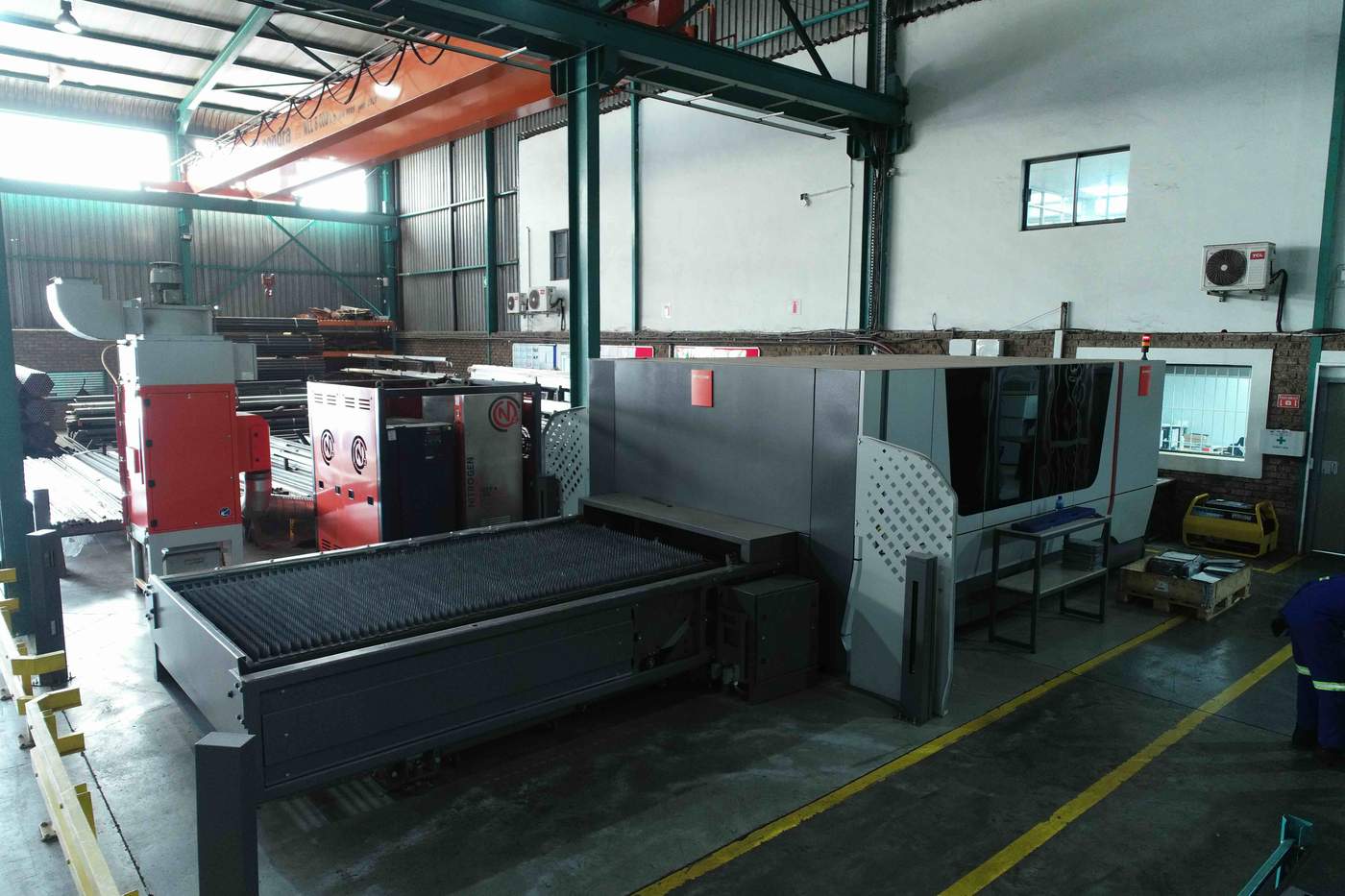
South Africa's manufacturing and fabrication sector has been steadily embracing laser-based technology, and it's easy to see why. Businesses that once relied on slower, less precise cutting methods are now finding that modern laser equipment opens the door to faster turnaround times, cleaner results, and the ability to take on more complex orders. Two areas seeing particular growth are fabric processing and metal tube fabrication, each powered by its own specialized type of laser system.
The Rise of Textile Laser Cutting Locally
For businesses working with fabric — whether producing garments, upholstery, or decorative textile products — finding reliable textile laser South Africa suppliers has made a real difference in production quality. Laser cutting solves many of the frustrations that come with traditional fabric cutting methods, such as fraying edges, material shifting, and inconsistent results across larger batches.
Local businesses that have adopted this technology often report being able to handle more intricate designs without slowing down production, since the laser can trace detailed patterns automatically rather than relying on manual tracing and cutting. This has been especially useful for smaller workshops competing against larger manufacturers, giving them a way to produce higher-quality work without dramatically increasing labor costs.
Tube Cutting: A Different Challenge Entirely
While fabric processing has its own demands, metalworking businesses face a completely different set of challenges, particularly when it comes to cutting round or square tubing accurately. This is where tube laser cutting machines have made a noticeable impact, allowing fabricators to cut precise angles, holes, and notches directly into metal tubing without the need for multiple manual setups or secondary finishing work.
For industries like furniture manufacturing, automotive fabrication, and structural steel work, this level of precision reduces material waste and speeds up production significantly. Instead of measuring and cutting each piece by hand, businesses can rely on automated systems to repeat the same accurate cuts across large production runs, which matters a lot when consistency is non-negotiable.
Why Sourcing Locally Matters
For South African businesses, having access to dependable local suppliers means shorter lead times, easier after-sales support, and equipment better suited to regional power and workshop conditions. Companies like AM.CO.ZA have built a reputation for offering machinery suited to businesses at different stages, whether just starting to explore laser technology or looking to expand an already established production line.
Choosing equipment locally also tends to simplify maintenance and training, since support teams are more accessible compared to relying entirely on overseas suppliers.
Final Thoughts
Whether a business is focused on textiles or metal tube fabrication, laser cutting technology has clearly changed what's possible for South African manufacturers. As more workshops look to modernize their equipment, working with an established local partner such as AM.CO.ZA can make the transition smoother, helping businesses find machinery that fits both their current production needs and long-term growth plans.

