THC Vape Pens: A Beginner’s Guide to Features and Options
Introduction
A THC vape pen is a small electronic device designed to heat cannabis oil or concentrate and turn it into an aerosol that can be inhaled. In recent years, THC vape products have become a well-known form of cannabis consumption because of their small size and simple design. However, beginners may find the wide range of devices, oils, strengths, and features confusing.
Understanding how a thc vape works and what makes one device different from another can help people make informed decisions. This guide explains the main features of thc vapes, common types of vape pens, battery options, cartridges, safety considerations, and other important factors.
Cannabis laws also differ widely by location. Before considering any THC product, adults should understand the laws that apply where they live and be aware of the possible health effects.
What Is a THC Vape Pen?
A thc vape pen is a compact vaporizer made for cannabis products containing tetrahydrocannabinol, commonly called THC. THC is the main intoxicating compound found in cannabis.
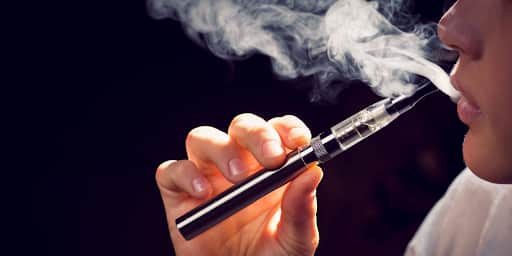
Most vape pens have two main parts: a battery and a cartridge or chamber that contains cannabis oil or concentrate. When activated, the battery powers a heating element. The heating element warms the material and creates an aerosol for inhalation.
Unlike traditional smoking, vaping does not involve burning plant material. Still, that does not mean vaping is harmless. Cannabis aerosols can contain substances that may affect the lungs, and the long-term health effects of vaping cannabis are still being studied.
How Do THC Vape Pens Work?
The basic process behind most thc vapes is fairly simple. A battery supplies power to a heating element. The heating element warms cannabis oil or another concentrate until it produces an inhalable aerosol.
Some devices activate automatically when a person draws from the mouthpiece. Others use a button to control the heating process. More advanced models may include adjustable temperature settings.
The temperature can affect how the oil behaves and how the aerosol feels. However, higher temperatures do not automatically mean a better experience. Excessive heat may also change the compounds in the material.
Common Types of THC Vape Pens
There are several general types of thc vape devices. Each has different features and designs.
Disposable pens are designed as single-use devices. The battery and cannabis material are usually contained in one unit. Once the device is empty or the battery stops working, the entire unit is discarded.
Cartridge-based pens use a separate battery and replaceable cartridge. The cartridge contains the cannabis oil, while the battery powers the heating element. This design allows the battery to be used with compatible cartridges.
Rechargeable devices can be charged again instead of being discarded after the battery runs out. Some have built-in batteries, while others use removable battery systems.
Because product designs vary, users should always follow the manufacturer's instructions and applicable local regulations.
Battery Features to Understand
The battery is an important part of a thc vape pen. Battery size, charging method, activation system, and power controls can differ between devices.
A larger battery may provide more operating time, while a smaller battery can make a device more compact. Rechargeable models commonly use USB-based charging systems, although the exact charging method depends on the device.
Some advanced pens offer adjustable voltage or temperature controls. These features give users more control over the heating process, but they can also make the device more complicated for beginners.
Battery safety is especially important. A damaged, swollen, leaking, or unusually hot battery should not be used. Vape devices should also be kept away from extreme heat and stored according to the manufacturer's instructions.
Understanding THC Vape Cartridges
A cartridge is the part of many thc vapes that contains cannabis oil. Cartridges can differ in size, design, ingredients, and compatibility.
Some contain cannabis distillate, while others may contain different types of cannabis extracts. Products can also vary in cannabinoid content and terpene profiles. Terpenes are natural compounds found in cannabis and many other plants.
Beginners should read the product label carefully. Important information may include THC concentration, ingredients, batch information, and testing details.
A clear label can make it easier to understand what a product contains. Products with unclear ingredients or missing testing information deserve extra caution.
THC Strength and Potency
One of the most important differences between cannabis products is THC concentration. A product with a higher THC percentage can deliver a stronger dose of THC in a smaller amount of material.
This is particularly important for people who have little or no previous experience with cannabis. THC can affect people differently depending on factors such as individual sensitivity, previous cannabis exposure, body chemistry, and other substances being used.
Possible effects can include changes in mood, altered perception, impaired coordination, drowsiness, and problems with short-term memory. Higher exposure can also increase the chance of unwanted effects such as anxiety or paranoia.
For this reason, understanding potency is more important than simply choosing a device with the most features.
Distillate, Live Resin, and Other Extracts
Cannabis vape products may use different types of extracts. Distillate is a highly refined cannabis extract that is often associated with a high concentration of specific cannabinoids.
Other products may use extracts marketed as live resin or full-spectrum extracts. These products can contain a wider range of cannabis compounds.
The name of an extract does not automatically tell you whether it is safe or suitable. Quality depends on factors such as manufacturing practices, ingredients, contamination controls, and independent testing.
Consumers should avoid assuming that a particular extraction method guarantees a safer product.
Why Third-Party Testing Matters
Testing is an important consideration when evaluating cannabis products. Independent laboratory testing can check for cannabinoid levels and certain contaminants.
Depending on local rules, testing may look for substances such as pesticides, heavy metals, residual solvents, microbes, or other unwanted compounds.
A product with accessible laboratory information gives consumers more information about what they are using. Be cautious with products that make strong claims but provide little information about their ingredients or testing.
Packaging should also be checked for signs of damage, leaks, or tampering.
Important Safety Considerations
Although vaping does not involve the same combustion process as smoking, it is not risk-free. Inhaling substances into the lungs can have health effects, and researchers continue to study the long-term effects of cannabis vaping.
Unregulated products may create additional concerns because their contents may not match their labels. Contaminated or counterfeit vape products can pose serious risks.
People should never modify a vape device or add unknown liquids or substances to a cartridge. A cartridge should only be used with a compatible device according to its instructions.
THC can also impair judgment, reaction time, coordination, and other abilities. Driving or operating machinery after using THC can be dangerous and may be illegal.
Legal Considerations for THC Vapes
Cannabis laws can differ greatly between countries, states, provinces, and local areas. Some places permit cannabis for adult use, while others allow it only for medical purposes or prohibit THC products entirely.
Rules may also cover possession, age requirements, public use, transportation, and purchasing. Even where cannabis is legal, there may be strict regulations concerning vape products.
Before considering a thc vape, adults should check the current laws in their area. Travelers should be especially careful because cannabis laws can change when crossing borders or entering different jurisdictions.
Choosing Features Based on Your Needs
There is no single thc vape pen that is ideal for everyone. The most useful features depend on what a person values.
A simple device may appeal to someone who prefers fewer controls. A rechargeable model may be designed for people who want a reusable battery system. Adjustable settings may appeal to experienced adult users who understand how those controls affect the device.
However, more features do not necessarily mean better quality. A well-made product with clear labeling, compatible components, and reliable safety information can be more important than extra settings.
How to Store THC Vape Products Safely
Proper storage is another important consideration. Vape products should be kept away from children and pets. They should also be stored according to the manufacturer's recommendations and protected from extreme temperatures.
Batteries should not be stored with loose metal objects such as coins or keys if the design allows contact with battery terminals. Damaged batteries should not be used.
Cannabis products should also be kept in their original packaging when possible, especially where packaging contains important safety or legal information.
THC Vapes vs. Other Cannabis Products
THC vape products differ from other cannabis formats in several ways. Edibles, for example, are processed through the digestive system and can take longer to produce noticeable effects. Inhaled cannabis products generally act more quickly, but their effects can vary from person to person.
Topical cannabis products are another category and are generally used on the skin rather than inhaled or eaten.
Each format has different considerations related to onset, duration, dosing, and potential risks. Comparing these differences can help adults understand why one cannabis product may not affect the body in the same way as another.
Common Beginner Mistakes to Avoid
Beginners can make several mistakes when learning about thc vapes. One common mistake is focusing only on THC percentage instead of considering the complete product.
Another mistake is ignoring product labels or using a device without reading its instructions. Using incompatible cartridges, damaged batteries, or unknown liquids can also create unnecessary risks.
It is also important not to assume that vaping is harmless simply because it does not involve smoke. Understanding potential risks is an important part of making responsible choices.
Conclusion
A thc vape pen combines a battery-powered heating system with cannabis oil or concentrate. While the basic technology is simple, modern thc vapes can have many different designs, battery systems, cartridges, extracts, and control options.
For beginners, the most important factors are understanding THC potency, checking ingredients and testing information, learning about battery safety, following product instructions, and knowing the cannabis laws in their location.
A thc vape should not be viewed as risk-free simply because it does not involve traditional smoking. Taking time to understand the product and its potential effects is an important step toward making informed and responsible decisions.


-
1I found the beginner's guide really helpful for understanding what to look for in a pen. For anyone in the UK needing a reliable source, I personally use https://thcvapes.org.uk/shop/ for their lab-tested cartridges and disposables, and the quality has been consistent for me. It makes comparing distillate and live resin options much easier.4 days ago Reply

-
1I always check for third-party lab results before buying anything. It’s the best way to know what’s actually inside. Start low and slow.6 days ago Reply
-
1I know this thread is a bit old, but I wanted to add something about battery safety. I noticed the original post mentions rechargeable pens, but I am curious—has anyone here had a battery fail or overheat on them? I think sharing real-life experiences could help beginners avoid a bad accident. I am considering buying a cheap pen, but now I am worried about the risks, so your thoughts would be really helpful.6 days ago Reply
