THC Vapes and Terpenes: Understanding Aroma, Flavor, and Product Labels
Introduction
A THC vape can offer a different experience from other cannabis products. Many people notice that different products have different aromas, flavors, and effects. Terpenes play an important role in these differences. They are natural compounds found in cannabis and many other plants. Terpenes can add scents such as citrus, pine, herbs, flowers, or fruit.
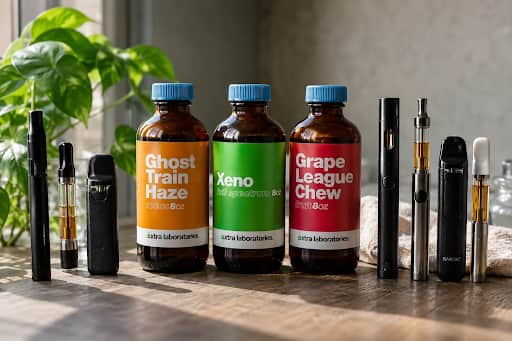
When shopping for thc vapes, product labels can also contain a lot of information. A label may list THC content, terpene names, ingredients, batch details, and testing information. Learning how to read these details can help adults make more informed choices where cannabis products are legal.
This guide explains what terpenes are, how they affect aroma and flavor, and what common label terms mean. It also covers important points to consider when looking at a THC vape or THC vape pen.
What Are Terpenes?
Terpenes are aromatic compounds produced by many plants. They are responsible for some of the smells we notice in nature. For example, certain terpenes are linked with the smell of lemons, pine trees, flowers, and herbs.
Cannabis contains many different terpenes. The exact mix can vary from one plant or product to another. This is one reason why two THC vapes can smell and taste very different, even when they contain similar amounts of THC.
Terpenes are not unique to cannabis. They are also found in fruits, herbs, spices, and trees. In cannabis products, they can contribute to the overall sensory experience.
Why Terpenes Matter in THC Vapes
Terpenes can have a strong effect on the aroma and flavor of a cannabis product. A product with a citrus-heavy terpene profile may have a lemon or orange-like smell. Another product with more earthy or woody terpenes may have a deeper herbal aroma.
For a THC vape, the terpene profile can be especially noticeable because vaping produces an inhalable vapor that carries the aroma compounds. The hardware, oil formula, storage, and heating process can also affect how those flavors are experienced.
However, terpene names should not be treated as guaranteed descriptions of how a product will feel. Aroma and flavor are easier to connect with terpenes than specific effects. Individual experiences can also vary.
Common Terpenes Found in Cannabis Products
Several terpenes are commonly discussed on cannabis labels. Understanding their names can make product information easier to read.
Myrcene is often described as having an earthy, herbal, or musky aroma. It is commonly found in cannabis and can also occur naturally in plants such as hops.
Limonene has a bright citrus aroma. As its name suggests, it is associated with the scent of lemons and other citrus fruits.
Pinene has a fresh, pine-like scent. It occurs naturally in pine trees and several other plants.
Linalool is often associated with floral and lavender-like aromas. It can be found in various aromatic plants.
Caryophyllene has a spicy, pepper-like aroma. It is also naturally present in black pepper and several herbs.
These descriptions are useful for understanding labels, but the actual aroma of a product depends on its complete chemical profile.
How Terpenes Affect Aroma and Flavor
The terpene profile is one part of what creates a cannabis product's sensory character. When a person smells a THC vape, several compounds may work together to create the overall aroma.
A product containing more limonene may have a citrus note, while one with pinene may smell more like fresh pine. A combination of several terpenes can create a more complex aroma.
Flavor can also change based on the terpene mixture. Some products may taste fruity, while others may have herbal, spicy, floral, or earthy notes.
It is important to remember that flavor is not determined by terpenes alone. The cannabis extract, added ingredients, device temperature, and manufacturing process can all influence the final taste.
Understanding THC Content on Product Labels
THC is the main intoxicating compound in cannabis. Product labels may show THC as a percentage, total amount, or another measurement depending on the product and local regulations.
For a THC vape, the label may also show the total amount of cannabis oil inside the cartridge or device. Some labels provide both the amount of THC and the total amount of extract.
Higher THC content does not automatically mean a better product. Potency can affect the intensity of intoxication, and individual responses can differ.
Adults should pay attention to the label and follow applicable local laws and product instructions.
Reading a THC Vape Pen Label
A THC vape pen label may include several important details. These can include the product name, THC amount, terpene information, ingredients, batch number, manufacturing date, and expiration or recommended-use information.
Some products may also include a QR code that connects to laboratory testing information. Depending on local rules, testing reports may provide information about cannabinoids, contaminants, and other quality measures.
When reviewing a THC vape pen, it is useful to look beyond the front of the package. Important information is often printed on the side or back label.
Clear labeling can make it easier to understand what is inside the product and where it came from.
What Does “Terpene Profile” Mean?
A terpene profile describes the mix of terpenes found in a cannabis product. Some labels list individual terpenes and their amounts. Others may simply describe the profile with words such as citrus, fruity, earthy, floral, or piney.
A detailed profile can provide more information than a general flavor description. For example, a label that lists limonene, myrcene, and caryophyllene gives consumers a better idea of the main aromatic compounds.
Still, a terpene profile should not be viewed as a promise of a particular experience. It mainly helps describe the product's chemical and sensory characteristics.
Cannabis-Derived and Added Terpenes
Terpenes in cannabis vape products can come from different sources. Some products use terpenes naturally present in cannabis extracts. Others may add terpenes that were isolated from cannabis or other botanical sources.
Labels may use terms such as “cannabis-derived terpenes” or “botanical terpenes.” These terms describe the source of the aromatic compounds.
Added terpenes can be used to create or adjust a specific aroma and flavor. Consumers who care about terpene sources should check the ingredient list and product information rather than relying only on marketing claims.
Why Product Testing Matters
Testing is an important part of understanding cannabis products. A regulated THC vape should be subject to the testing rules that apply in its market.
Laboratory testing may check cannabinoid levels and screen for certain contaminants. The exact testing requirements vary by location.
Consumers should be cautious about products with unclear labels, missing ingredient information, or no reliable testing details. Products from unregulated sources may not meet the same safety and quality standards as products sold through licensed channels.
Checking available testing information can provide a clearer picture of what a product contains.
How Storage Can Affect Terpenes
Terpenes can change over time. Heat, light, oxygen, and poor storage conditions may affect aromatic compounds and the overall quality of cannabis products.
Keeping a THC vape according to the manufacturer's storage instructions can help protect the product. Excessive heat and direct sunlight should generally be avoided.
Storage information can vary between products, so the manufacturer's instructions and local regulations should be followed.
Terpenes Are Not the Same as THC
It is important to separate terpenes from THC. THC is a cannabinoid that can cause intoxication. Terpenes are aromatic compounds that mainly contribute to scent and flavor.
A product can have a strong terpene profile without having a high THC level. Likewise, a product can contain a high amount of THC while having a less noticeable aroma.
This difference is useful when comparing THC vapes. Looking at both cannabinoid content and terpene information provides a more complete picture of the product.
Avoiding Confusing Marketing Claims
Cannabis packaging can include many attractive terms. Words such as “premium,” “pure,” “natural,” or “enhanced” may sound impressive, but they do not always provide specific information.
Instead of focusing only on marketing language, check measurable details. Look for THC content, ingredient lists, terpene information, batch details, and available testing results.
A clear label is usually more useful than a product description filled with vague claims.
Responsible Considerations for THC Vape Consumers
THC products are not suitable for everyone. Laws about cannabis possession, use, age limits, and driving vary by location. Adults should understand the rules where they live before purchasing or using cannabis products.
THC can affect attention, coordination, judgment, and reaction time. Driving or operating machinery while impaired can be dangerous and may be illegal.
Products should also be kept away from children and pets. Following package directions and storing products safely are important parts of responsible use.
Conclusion
Understanding terpenes can make cannabis product labels easier to read. Terpenes are natural aromatic compounds that help create the scent and flavor of many cannabis products. Compounds such as limonene, myrcene, pinene, linalool, and caryophyllene can contribute different notes, from citrus and pine to floral, earthy, and spicy aromas.
When comparing a THC vape or thc vape pen, it is helpful to look at more than flavor claims. Check the THC content, terpene profile, ingredients, batch details, and available laboratory testing information. Remember that terpene names describe chemical and sensory features, not guaranteed effects.
By learning how labels work and focusing on clear product information, adults in legal markets can better understand THC vapes and make more informed decisions.

