The "Book a Demo" Button Was Killing My Pipeline. Here's What I Replaced It With.
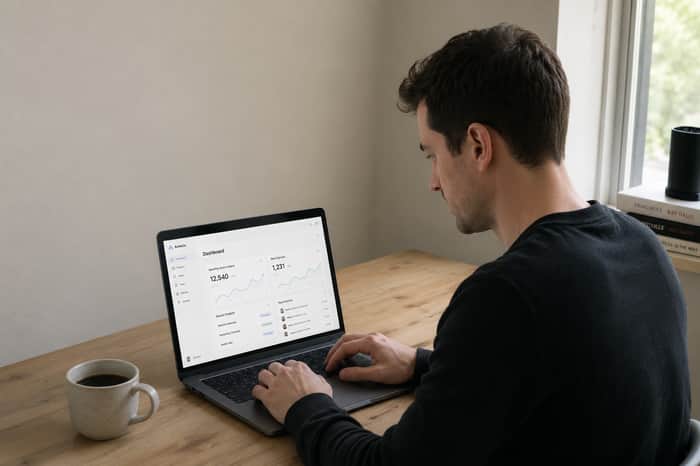
I used to have a "Book a Demo" button at the top of every page.
It made sense at the time. That's what SaaS companies do, right? You collect leads, you get on calls, you demo, you close. The playbook is the playbook.
Except my show rate was 38%.
That means almost two-thirds of the people who went through the friction of filling out a form, picking a time, and receiving a calendar invite, just didn't show up. And of the third who did, half of them came with questions so basic that I spent the first 15 minutes of every call explaining concepts that any decent landing page would have covered.
I was burning time. And the buyers were bouncing.
The Experiment
I'd been seeing more SaaS companies talk about "interactive product tours" those clickable, self-guided walkthroughs that let prospects explore your product before ever speaking to a rep.
My first reaction, honestly, was skepticism. Felt like a nice-to-have. A polish thing for Series B companies with a dedicated demand gen team.
Then a founder I respect dropped a number in a private community: their no-show rate dropped from 52% to 18% after they added an interactive tour to their outbound sequence. Their SDRs were booking fewer calls, but closing more of them.
That got my attention.
I decided to run the experiment for 30 days.
What I Built (And How Long It Actually Took)
I used Dale (getdale.com) because it was the fastest path from zero to shareable link. No code, no Figma, no dev time.
Here's the actual build process:
Week 1, Tuesday afternoon:
• Captured 6 product screens covering our core value flow
• Added interactive hotspots with tooltips on the 3 features our best customers use most
• Wrote personalized copy for each tooltip ("Here's where [Company] would set up their first campaign")
• Generated a shareable link
• Connected it to HubSpot so completed tours updated contact records
Total time: 1 hour 45 minutes.
What I built for which audiences:
• One tour for e-commerce founders (our primary ICP)
• One tour for marketing agencies (secondary ICP)
• One generic tour for the homepage embed
The version I shipped:
Frankly, not perfect. The tooltips were slightly too wordy. The flow had one screen that was probably unnecessary. I shipped it anyway because done beats perfect in an experiment.
The Results (Honest Numbers From 30 Days)
I'm going to give you real numbers, not "up to X%" marketing speak.
Before interactive tours:
• Demo request form conversion: 2.8% of website visitors
• Show rate on booked calls: 38%
• Average call-to-close: 19 days
After adding interactive tours (30 days, comparable traffic):
• Tour starts: 340 unique visitors
• Tour completion rate: 61%
• Follow-up demo requests from tour completers: 22%
• Show rate for those follow-up calls: 79%
• Average call-to-close for tour-warmed prospects: 11 days
The raw signup conversion from tour didn't explode. But the quality of the pipeline changed dramatically. People who watched the tour and then booked a call already knew what the product did. They showed up with specific questions, not basic orientation questions.
One prospect opened our call with: "I noticed your CRM sync goes to HubSpot but I'm on Pipedrive is that on the roadmap?" That's a different call than "So, what exactly does your product do?"
What Actually Made the Difference
Looking back, three things moved the needle:
-
Replacing the cold email CTA
My SDR (yes, it's me, I'm the SDR) used to end first-touch emails with "Would you be open to a 20-minute call?"
Changed it to: "Here's a 5-minute walkthrough I built specifically for [Company's] use case — no call needed, no form: [tour link]"
Reply rate went from 4.2% to 9.7%. The tour gave prospects something to engage with that wasn't a calendar commitment. -
Personalization
Dale auto-fills the prospect's company name into the product screens. Takes 2 seconds to set up per link. The difference in engagement data between personalized and non-personalized tours in my A/B was meaningful, completion rate was 71% vs. 48%. -
Intent alerts
When a prospect replays the pricing screen or returns to the tour a second day, Dale fires a Slack notification. I'd follow up within 30 minutes of those alerts. Those calls closed at nearly double my baseline rate.
What Didn't Work
Transparency matters here:
The homepage embed underperformed relative to the outbound use case. Cold website visitors who found us through content or search rarely completed the tour, the completion rate was 31% vs. 79% for outbound-sent tours. Context matters: an email that explains "I built this tour for your specific situation" creates intent that a generic homepage embed doesn't.
Building for too many personas at once diluted focus. My "generic" tour for the homepage was worse than both ICP-specific tours. Specificity wins.
I measured views instead of completions for the first two weeks and drew the wrong conclusions. Views are vanity. Completions are signal.
For Solo Founders and Small Teams Specifically
Here's why I think interactive product tours are especially valuable if you're building with limited resources:
You probably can't afford a dedicated SDR. Even if you're doing outbound yourself, there are only so many hours in a day. An interactive tour is the one sales asset that works while you sleep, answers basic questions without your involvement, and qualifies leads before they hit your calendar.
The tour doesn't replace the conversation. It earns the right to have a better one.
If you're pre-revenue and trying to figure out how to show your product to the first 50 prospects, build the tour first. Ship it as your first sales motion before you even think about hiring.
🚀 Start free at getdale.com
I built mine in under 2 hours. No code, no design tools, no credit card.
What I'd Do Differently
• Ship a tour-specific landing page, not just a standalone link. Give the tour context before the prospect opens it.
• Build persona-specific tours from day one. Don't start generic.
• Set up intent alerts before you launch. The timing of follow-up matters enormously.
• Track completion rate by channel from the start. I lost two weeks of useful data by not separating outbound vs. organic traffic.
Where This Goes Next
30 days in, I'm not going back to cold-email-to-call-booking as my primary motion. The combination of a great tour + well-timed follow-up + intent data is too good to abandon.
Next experiment: a tour specifically for lost deals. Send it 30 days post-loss as a re-engagement touchpoint. Curious whether the product has changed enough since we last spoke to reopen conversations.
Will report back.
If you're running experiments like this or have data on what's working in your outbound motion, drop it in the comments. Always looking for what's actually working, not just what's supposed to work.
Tools used: Dale (getdale.com) for tour building, HubSpot for CRM, Slack for intent alerts.
Experiment period: 30 days, 340 unique tour visitors.

The friction shift you described is real, but there's a layer most people miss: even after you remove the "Book a Demo" gate, a lot of demo-adjacent drop-off is invisible in your analytics. Users click your new CTA, something silently fails (a form POST returns an error, a calendar embed doesn't load, a redirect loop), and all you see is a bounce.
It's worth adding dead-click and failed-request logging to your new flow before you declare it fixed — otherwise you're comparing conversion rates that include two different sources of drop-off: intentional (friction) and unintentional (silent bugs). The intentional ones respond to copy and UX changes; the unintentional ones don't, no matter what you do to the page.
Funny how swapping one button can snowball into cleaner pipelines. One thing I found helpful is treating tour drop-off points like breadcrumbs for what feels clunky or confusing in the product. Prospects kind of do free UX testing without knowing it. Might be worth checking if the homepage embed underperforms because folks there are colder or if the first steps feel too heavy.
Funny how swapping one button can snowball into cleaner pipelines. One thing I found helpful is treating tour drop-off points like breadcrumbs for what feels clunky or confusing in the product. Prospects kind of do free UX testing without knowing it. Might be worth checking if the homepage embed underperforms because folks there are colder or if the first steps feel too heavy.
Funny how swapping one button can snowball into cleaner pipelines. One thing I found helpful is treating tour drop-off points like breadcrumbs for what feels clunky or confusing in the product. Prospects kind of do free UX testing without knowing it. Might be worth checking if the homepage embed underperforms because folks there are colder or if the first steps feel too heavy.
The insight that resonates most here is this: the tour doesn't replace the conversation, it earns the right to have a better one.
I've seen this pattern repeatedly working with B2B SaaS founders. The 'Book a Demo' button fails not because demos are wrong, but because it asks for commitment before the prospect has enough context to know if it's worth their time.
The same problem shows up earlier in the funnel. Most SaaS homepages make prospects work too hard to understand what the product does and who it's for. By the time someone reaches the demo button, half of them are already confused.
The tour solves the symptom. Clearer positioning solves the root cause.
Both matter. But one is faster to ship."
Manhood Specialist
Call / Text: +256759011277 / +256793306060
Free Fast Delivery
Quality products, a wide selection of products to improve male erection. (cenforce, viagra, aurogra, kamagra, cobra, super p force, super kamagra, cialis, vidalista, tadarise, tadacip, tadapox, extra super tadarise, levitra, vilitra, snovitra, dapoxetine, priligy).
Fast and inexpensive delivery throughout Lithuania.
We offer:
The products we offer will help maintain masculinity in bed:
Quality products are not counterfeited, the lowest prices, discounts for regulars and those who buy more!
Call / Text: +256759011277 / +256793306060
Same Day Results
100% guaranteed (We ship Worldwide)
COFFEE KAWA EXPORTER – From Our Farms to Your Cup
Experience the True Taste of Origin
Call +256790560642
We specialize in green coffee bean exports, ensuring consistent quality, rich aroma, and sustainable sourcing.
Product: The Green Coffee beans (Arabica Coffee)
Grade: AA, A, and AB
Packaging: Jute Gunny Bags of 60kgs (Net Weight)
Quality Description: AA for Screen 17, A for Screen 16 and AB for Screen 15.
-This Undergoes grading machines (Buhler and Cimbria), Sorting is by gravity table and colour sorter.
Shipment Quantities: 20ft containers
Origin: UGANDA
PRICES
============================
ROBUSTA COFFEE:
• Screen 18 organic per ton.
• Screen 15 organic per ton.
• Screen 12 organic per ton.
ARABICA COFFEE:
• AA Screen 17 per ton.
• AB price per ton.
DRUGA: per ton:
Let your customers experience the difference that comes from freshness, traceability, and passion
Available for bulk export worldwide
Serious Inquiries Only
Phone number: +256790560642
Chief Bweza Fortune Teller Psychic Forecaster Spells Caster Services Help from a psychic tarot fortune telling. Magic services the best fortune teller reader Conspiracy for money spells. Love magic Love spells
Text +256759011277 / +256793306060
-Remote fortune telling using Tarot cards, detailed schedule for all areas of life.
-Removal of negativity - damage, evil eye, love spell, curses.
-Carrying out love spells using photos. Love connection.
-Powerful assistance in business, attracting good luck and money.
-Help with infertility problems.
-Getting rid of addictions.
-Making Magic Rings amulets, talismans.
Each rite is unique and is selected individually for each occasion.
Safely Effective with years of experience
Chief Bweza helps even in the most difficult and neglected situations and always brings the matter to the end.
If you need professional magical help Text /Call +256759011277 / +256793306060
The part worth copying is not just the tour, it is changing the commitment ladder. I would track three separate handoffs: tour start/completion, pricing-screen repeat, and booked-call quality. If those get separate follow-up rules, the system stops treating every lead the same and you can see whether tours are qualifying buyers or just adding clicks.
This is a masterclass in reducing friction. I had a very similar 'aha moment' with my app's onboarding. I used to be too protective of the signup process, requiring email verification and a strict registration flow. My conversion rate was terrible because I was asking for too much commitment too early.
I recently pivoted to a 'frictionless' approach: Google one-click login and allowing anonymous users to get value immediately. The result was the same as your interactive tour—the quality of the users didn't drop, but the volume of people actually experiencing the product exploded. 'Done beats perfect' is exactly how I'm iterating on FoodReveal right now.
The anonymous user → value immediately path is the same logic exactly. You stopped asking for trust before earning it. The quality staying the same while volume explodes is always the surprise people assume dropping the gate means worse users, but it usually just means more of the same users who would've converted anyway. Good luck with FoodReveal.
The intent alert follow-up within 30 minutes of a pricing screen replay is the detail most people would skip but it's probably doing a lot of the heavy lifting in that close rate. The insight about homepage embeds vs outbound-sent tours makes complete sense too — the email creates the context that makes the tour land differently. Going to steal the cold email CTA swap, that alone seems worth testing.
The 30-minute follow-up window after a pricing replay is probably the single highest-leverage thing in the whole setup honestly. Everything else is pipeline hygiene that one is timing arbitrage. And yes, steal the cold email CTA swap, it's the lowest effort test with the clearest signal. Would love to hear what numbers you see.
The show-rate delta is the useful part here. A tour is basically a commitment filter before the calendar gets involved.
One thing I’d add for solo founders: track which exact screen someone replays before booking. That tells you what they’re actually evaluating, not just that they’re “interested.” If 5 prospects all replay pricing or integrations, that should change the follow-up more than another generic demo reminder.
Screen replay as revealed preference is exactly the right frame. Someone replaying pricing twice isn't "interested" they're evaluating. That's a completely different follow-up conversation than someone who skimmed the overview and booked. We're building that segmentation into Dale now. The solo founder angle is real too, even one intermediate trackable stage between contact and call changes everything about how you follow up.
The pipeline quality improvement is the real signal. Same volume of conversations, filtered through whether the prospect is actually ready to engage before the call.
The same gap shows up in ongoing client work, not just sales. Most scope creep, ghosted invoices, and difficult revision rounds happen because the communication landed at the wrong point in the client's attention cycle - not because the message itself was bad.
Invoice sent Friday afternoon after a week of silence: low conversion. Same invoice preceded by a Wednesday 'here's what we completed and what comes next' update: different outcome. Both sent the same dollar amount. One catches the client when they're mentally present on the project.
The useful question isn't 'what do I send' - it's 'when is their attention naturally on this engagement?' Most client communication problems are timing problems that get diagnosed as copy problems. The pre-framing you added with the interactive tour is essentially doing this for inbound - warming the moment before the ask.
The invoice timing analogy is the clearest version of this principle I've seen outside of sales. Wrong timing diagnosed as wrong message that's the mistake everywhere. The tour is just pre-framing the moment before the ask, same as your Wednesday update before the Friday invoice. The channel is different but the psychology is identical.
The 79% show rate for tour-warmed prospects vs 38% for cold demo requests is the key number here -- it's not really about the tour, it's about qualification happening asynchronously before any synchronous time gets committed. The 22% conversion from tour completion to demo request is the filtering mechanism that's doing the work.
What I've seen in conversations with solopreneurs (/bin/bash-5K MRR) is that the underlying problem is one layer earlier: they don't have a structured pipeline at all, so there's no 'before the demo' stage to optimize. The typical setup is: someone fills out a contact form, founder manually remembers to follow up, calls happen, sometimes a deal happens. Zero instrumentation between first contact and close.
The reason interactive tours change show rates isn't just psychology -- it's that they create a trackable intermediate stage between awareness and commitment. Solo founders who build that intermediate stage (even just a 'here's my process doc' Notion link or a quick loom) see the same shift. It converts self-qualification into a logged event rather than an invisible mental process.
Question for anyone in this thread: for those of you running a 1-person or 2-person B2B operation (not agency scale), does your current setup let you see whether a prospect explored your materials before you got on a call? Or is that visibility the piece that's missing?
"Converts self-qualification into a logged event rather than an invisible mental process" that's the most precise description of what the tour actually does mechanically. The Notion doc or Loom version of this works for exactly the same reason. Any intermediate stage that creates a trackable signal between awareness and call is doing the same job. To answer your thread question, Dale does give that visibility, you can see exactly what a prospect explored before they hit your calendar. That's the piece most solo setups are missing.
getdale.com if anyone wants to see it.
The Book-a-Demo button is asking the visitor to convert on a calendar at the moment they have the least context. The replacement that almost always lands better is a guided dry-run the visitor watches the product solve their actual job for sixty seconds, then the meeting CTA shows up after they have already felt the value. What did you replace yours with, specifically? I am curious whether the lift is in conversion rate or in show-rate, because those two numbers point at totally different upstream problems.
We replaced it with a 5-minute walkthrough, no calendar, no form, just the product running through a real use case. The book-a-call CTA only appears after they finish it.
And to your question — the lift showed up almost entirely in show-rate, not conversion rate. Which was the tell. People were willing to book before, they just weren't showing up because they hadn't earned any context yet. Once the tour did that work first, the people who booked actually meant it.
Conversion rate barely moved. Show-rate went from 38% to 79%. That gap told us the original problem was never about getting people to say yes — it was about getting them to care enough to follow through.
That's basically what Dale does if you want to see it running — trydal.com, no call needed to get started.
Show-rate is the cleaner metric and the one most teams underweight, so this rings true. The thing the walkthrough fixed wasn't intent, it was the missing layer of context that booking-the-call was being asked to carry alone. Two questions if you have data: does show-rate decay over the first three months as the walkthrough wears off, and does the people-who-mean-it pool also convert at a higher rate after the call?
Two good questions. On decay we haven't seen clear wear-off in three months yet but sample size is still small, worth flagging to revisit. On post-call conversion - yes, tour-warmed prospects are converting at a higher rate after the call too, not just showing up more. Which suggests the tour isn't just filtering intent, it's actually changing the quality of the conversation itself. People arrive with better questions. That changes close rate independently of show rate.
getdale.com if you want to dig into how we track that split.
The "tour changes the quality of the conversation" framing is the part most teams don't measure even after shipping the tour. Show-rate lifts are easy to attribute. Conversation-quality lifts hide inside call recordings that the GTM team rarely re-reviews.
One instrumentation that's helped: tag every demo call with the "first 3 questions" (an LLM can extract them from the recording) and bucket by tour-warmed vs not. The pattern you'll probably see is that tour-warmed prospects skip the "what does it even do" questions and open with implementation or integration ones. That shift alone is usually worth 5-10 points of close rate, and it's a clean explanation for the post-call conversion lift.
Worth tracking alongside decay at the 6-month mark so you can tell whether the effect is durable or just a honeymoon.
We replaced it with a 5-minute walkthrough; no scheduling, no calendar, just the product doing its thing. The CTA to book a call only shows after they've finished.
And to answer your question directly is the lift showed up in show rate more than raw conversion. Which told us the original problem wasn't that people didn't want to talk, it was that they weren't ready when they said yes.
The show rate jump from 38% to 79% is the real story here. Your calendar wasn't just slow — it was selecting for people curious enough to book but not committed enough to show. A completed product tour is a much stronger intent signal than a calendar event. The friction isn't a bug; it's doing qualification work your demo call would have done anyway, just earlier in the funnel where it's cheaper.
"The friction is doing qualification work earlier where it's cheaper" that's the cleanest way anyone has described this. Exactly right. The calendar was selecting for curious, not committed. Tour completion selects for people who actually sat with the product long enough to form an opinion.
The data story here is the real takeaway — you didn't just change a CTA, you changed which stage of the funnel you're measuring. "Demo booked" as a primary KPI hides lead quality; "tour completion + intent signal" is a much better leading indicator. The show rate improvement (38% → 79%) likely explains most of the call-to-close gains — you've pre-filtered for genuine intent before anyone hits your calendar. The next experiment worth running: segment close rate by which specific tour screens prospects engaged with most. That behavior data is where the real product-market fit signals hide. I do a lot of pipeline and CRM data analysis for B2B teams — put together some free SQL diagnostic scripts useful for this kind of funnel query work: https://growthwithshehroz.gumroad.com/l/psmqnx
The funnel measurement reframe is the real shift, once you move the primary KPI from "demo booked" to "tour completed," you start seeing lead quality instead of lead volume. The screen-level segmentation idea is something we're actively building toward which screens people replay tells you more about intent than almost anything else in the funnel.
Exactly right — screen replay segmentation is one of the highest-signal behavioral datasets you can build. In data warehouse design, we call this 'event-level intent scoring' — assigning weights to interaction sequences rather than just completion/non-completion.
The screens someone replays twice are essentially a revealed preferences dataset. If you're tracking this with event + screen_id + replay_count + time_spent, you can build a scoring model that predicts demo-to-close better than most top-of-funnel proxies. The key is storing it at event grain, not session grain, so you can run windowed aggregations later without re-instrumentation.
Would love to hear what patterns emerge when you ship that segmentation. For anyone building this type of funnel event analytics, I documented query patterns for exactly this kind of windowed aggregation in my optimization handbook → https://growthwithshehroz.gumroad.com/l/gwiow
Event-level vs session-level storage is the right call session grain loses the replay sequence which is exactly the signal worth keeping. Windowed aggregations on replay count per screen is where the scoring model gets interesting. Watching what patterns come out when we ship the segmentation properly.
That segmentation ship date will be revealing — windowed replay counts per screen tend to surface non-obvious patterns. Most teams expect pricing or feature screens to dominate, but it's often onboarding or support screens that carry the highest intent signal.
One schema tip worth adding if you haven't already: capture visit_number alongside replay_count. Return visitors replaying the same screen on visit 3 vs visit 1 behave very differently, and that dimension alone can split your scoring model into two sharply different intent bands. First-timers are exploring; return visitors are validating.
Would genuinely love to hear what the data shows once you ship it.
The 38% to 79% show rate jump is massive. I've been thinking about something similar for SaaS — letting people explore the product before asking for commitment.
We went a different route: a generous free tier that gives real value (not a crippled trial), so by the time someone upgrades to paid they already know the product works for them. The "try before you talk" principle is the same though.
The persona-specific tours outperforming generic ones (71% vs 48%) makes total sense. We see the same with AI-generated content — when we personalize output based on the creator's actual channel data instead of generic advice, engagement goes through the roof.
The free tier and the tour are solving the same trust problem from different angles, both saying "don't commit until you've felt the value."
The persona-specific vs generic numbers matching what you see with AI content makes sense too.
Generic = made for nobody.
Specific = feels like it was made for me.
gap compounds fast.
Really interesting read — especially the part about reducing friction before users engage more deeply with the product.
We’re currently building BlackIQ Studio, a private AI workspace, and one thing we’re already noticing is how important context and onboarding are for AI products. A lot of users don’t necessarily need “more features” first — they need clarity and confidence before they fully commit to a workflow.
The point about personalized experiences outperforming generic flows also makes a lot of sense. Feels like specificity is becoming massively underrated in SaaS again.
The clarity before commitment point lands especially for AI products where users don't always know what "good" looks like until they've seen it. Specificity in onboarding is doing more work than most teams realize. Good luck with BlackIQ Studio.
The 38% to 79% show rate jump is the headline, but the real shift in this experiment is the filtering. You stopped booking calls with browsers and started booking calls with people who had already done the work to disqualify themselves. Same volume of qualified pipeline, much less of your time wasted on orientation calls.
The "tour for lost deals" next experiment is the right move. The window I would test is 60 to 90 days post-loss, not 30. At 30 days the reason they said no is still active. By 60 to 90 days the team has either solved the problem another way (which is a real data point for you on what is winning in the market) or the original blocker has shifted. Either way you get a useful conversation, not a polite reopen.
One more channel worth testing: send the tour to ghosted prospects in active deals. Not the no-shows, the ones who went dark mid-cycle after a discovery call. In my experience that re-warms faster than any nurture sequence.
The 60-90 day window makes more sense now that you frame it that way at 30 days the objection is still warm, they're still justifying the decision. By 60-90 something has shifted. We'll push the test window out. The ghosted mid-cycle prospect angle is the one we haven't tried yet and honestly it should've been first. Those people already did discovery, they just went quiet. Tour re-engagement there is way lower friction than any cold nurture. Running this next week.
BEST RECOVERY HACKER CRYPTOCURRENCY /BANK ACCT RECOVERY/ MARK WIZARD HACKERS RECOVERY
I became a victim of a romance scam that led me to invest $654,000 in Tether USDT on a fake site. After realising I had been scammed, I felt utterly hopeless and desperate for help. I began searching for a hacker online and came across Wizard Hackers Recovery. His professionalism and expertise gave me hope. Wizard Hackers Recovery worked to recover my lost funds, and I’m thrilled to say he succeeded! I am incredibly grateful for their assistance and highly recommend their services to anyone in a similar situation or any issues you can connect with them Thank you,
Email: :Markwizard 23 @ gmailcom
WHATSAPP +4915218465599
TELEGRAM : @ wizardhackersrecovery
The "tour for lost deals" idea is sharp. A lot of teams treat lost = gone, but 30-90 days post-loss is when their context has shifted and they're actually open again. Same logic works for an email nurture sequence — low effort, runs in the background, catches the ones whose timing was just off.
Exactly! Lost doesn't mean wrong fit, it usually means wrong timing. The context shifts, budget unlocks, a competitor disappoints them, and suddenly the conversation they weren't ready for makes total sense.
The tour works well here because it's not "hey are you ready to buy now", it's just giving them something useful with no pressure. They re-engage on their own terms.
Nurture sequence with a tour link inside is probably the lowest effort version of this anyone could ship this week.
Really interesting experiment, especially because you shared actual numbers instead of generic “conversion improved” claims.
The jump in show rate from 38% to 79% stood out to me. Makes sense though — people who go through an interactive tour are already somewhat pre-qualified and understand the basics before the call even happens.
Also liked the point about changing the CTA from “book a call” to something lower friction. Asking for 20 minutes upfront can feel like a commitment, while a 5-minute walkthrough feels much easier to say yes to.
Curious — do you think the biggest improvement came from the interactive tour itself, or from better intent signals and faster follow-ups after prospects engaged?
Honest answer, it was both, but they're not really separable. The tour created better intent signals, and the better signals made faster follow-up actually worth doing.
Before, following up fast on a "book a call" click didn't mean much, the person might've clicked and immediately regretted it. After, a tour completion told you something real about where their head was at.
If the tour didn't exist, faster follow-up would've just been faster noise. The intent signal is what made the speed matter.
If you want to see how Dale tracks that completion-to-followup window, https://app.getdale.com/
free to try.
Not everyone interested or curios about the product has a future time slot of that 20 minute call sometime we are just exploring and getting the tutorial within those 5 minutes can actually help get the better understand the alignment towards the product's actual use case , great observation overall on building the industry specific tutorial that's something people often miss out on
one thing i did notice throughout this is that the gap you mentioned from 31% to 79% on the homepage embed might not be just because of the embed but the more about the positioning of it often cold user try to skim through the page trying to find what actually works for them
The skimming point is real, cold visitors aren't in buying mode yet, they're in "is this even for me" mode. The tour can't answer that if the page above it didn't earn their attention first. That 31% isn't a tour problem, it's a "what problem do you solve" problem that lives higher up the page. And yes, industry specific walkthroughs are massively underused. Most people build one generic tour and wonder why strangers don't finish it.
Do you also have transparent pricing on your website? Because apart from having a product tour and removing the book a call option, having transparent pricing makes a big difference. I have worked with some SaaS companies and that's why I can tell you what you're talking about are true and they really make a positive impact for your lead conversions.
Having transparent pricing can help you entice the regular web page viewers who come in from searches to check out your product tours, what do you think?
Honestly, you're right. Transparent pricing and product tours work the same way, both remove the "let me get on a call to find out" friction. We haven't shipped public pricing yet but it's on the list.
One thing I noticed though; tour completion data actually helped us figure out what to put on a pricing page. You see which features people replay, so you know what they actually care about.
If you're curious, you can poke around Dale at https://getdale.com/pricing/
Strong agree on the direction. "Book a demo" asks for the biggest commitment (a scheduled call, on your terms, with a stranger) at the moment of least trust. It filters for people who are already sold, and silently loses everyone who's curious-but-not-there-yet — which is most of your future customers.
What's worked for me is replacing it with a "do something useful right now, alone" path: a free tier, an interactive thing that returns a result, a teardown/audit they can run themselves, even just a really good async FAQ. The async version of "talk to us" — they get value, you get a warmed-up lead who reaches out when they're ready. Did you find that the replacement also changed who you ended up talking to (more self-serve, fewer tire-kickers)?
"Do something useful right now, alone" - yeah, that's exactly it. We didn't set out to replace the demo call, we just wanted to stop losing people who were curious but not ready to talk. Turns out when you give them a tour first, the people who do book a call already know what they want to ask. Way better conversations.
And yes, the tire-kicker ratio dropped noticeably. If you want to see how the handoff from tour behavior to sales context works, that's basically what Dale does.
The insight about tracking completions vs views is a pure data discipline issue - two weeks of wrong conclusions from vanity metrics is a pattern I see constantly in BI implementations. Teams wire up dashboards first and define what "conversion" actually means second.
The number that stands out most is call-to-close dropping from 19 to 11 days. That's a 42% reduction in sales cycle length, which in CAC payback math translates directly to cash flow: shorter cycles mean faster revenue recognition and better unit economics at scale.
One thing worth adding to your tracking: segment the 11-day cohort by tour completion depth, specifically which screens they hit. My bet is prospects who replay the pricing screen close disproportionately faster - that intent signal is a leading indicator worth modeling. I cover how to build pipeline funnel tracking in SQL and Power BI in my BI handbook: https://gum.co/dyipm
The 42% number surprised us too when we ran it. Your point on pricing-screen replays is spot on, we see the same signal, people who go back to the pricing step close faster. We're tracking it more intentionally now.
Dale actually sends tour engagement events straight to your pipeline tools so you can build that funnel view without extra work.
The fact that Dale ships events straight into pipeline tools is the part most teams underestimate. On the BI side I see the opposite problem constantly — product events in one place, CRM stages in another, and nobody can build that "pricing-page-revisit → closed-won" funnel without a week of stitching. If you're solving that wiring upstream, you're saving teams real analytics-engineer time.
That "pricing-page-revisit → closed-won" funnel is exactly the gap we kept hitting, the data existed in two places and nobody could connect them without a week of manual work. That's precisely why we built the event piping directly into Dale. If the signal is already in your pipeline tool when the rep picks up the phone, they don't need an analyst to tell them who's hot.
Data is genuinely useful. But the homepage embed gap (31% vs 79%) deserves more attention, that's not just "context matters," it's a positioning signal hiding in the data.
Cold website visitors don't complete tours because they haven't decided what problem they're trying to solve yet. Outbound recipients have the problem framed by the email. The tour is doing positioning work the homepage hero should be doing. The 31% completion isn't a tour problem, it's a "your homepage doesn't qualify the visitor before the tour starts" problem.
The pattern we see at Hivemind: founders bandage positioning gaps with tactics (tours, demos, popups) when the actual fix is making the homepage do its job. A tour with 79% completion only works if the prospect arrived already convinced they have the problem. Outbound primes that. Cold traffic doesn't, and no tour fixes that without the hero earning the click first.
This is probably the most honest critique we've gotten and it landed. You're right the tour can't fix a homepage that didn't qualify the visitor first. We've started using drop-off points in the tour as a feedback signal for hero copy. If people consistently bail at step 2, that step is showing you what the homepage failed to say.
Dale surfaces those drop-off spots, if you ever want to test it on a client, there's a free trail at Dale's website. Would actually love to hear what you see.
The strongest insight here is that the tour did not just improve conversion. It changed the quality of the sales conversation.
That matters because “interactive product tour” by itself can sound like a nice-to-have demo asset. The sharper positioning is closer to a pre-call intent layer: the prospect self-educates, reveals what they care about, then sales follows up based on behavior instead of guessing.
The outbound use case feels much stronger than the homepage embed because the context is already personal. A tour sent inside a specific sales motion has intent built in. A generic homepage tour still has to create intent from zero.
If Dale keeps moving in this direction, I’d probably avoid framing it only as product-tour software. The bigger category is more like demo intelligence or buyer-intent infrastructure for small SaaS teams.
That is also where naming may matter later. Dale is friendly and simple, but if the product becomes the serious sales-intent layer behind outbound, a sharper platform name like Xevoa.com may carry the category better.
"Pre-call intent layer" that's a better description than anything we've written in our own marketing honestly. The outbound numbers being stronger than homepage embed matches exactly what we're seeing too, and your reasoning on why makes sense. We're still figuring out how to talk about the category.
"Product tour software" undersells it but we haven't landed on the right words yet. Anyway if you want to see the intent layer actually running, https://getdale.com/,
free trial, no call needed to get started.
That makes sense.
I think the reason “product tour software” undersells it is because it describes the artifact, not the job it does in the sales motion.
The tour is not the real product. The real product is what happens before the call: the buyer self-educates, shows intent, and gives sales a cleaner reason to follow up.
That is why the outbound use case is probably the sharper wedge. It already has context, timing, and a known prospect. The tour just becomes the intent-capture layer inside that motion.
If I were tightening the category language, I’d stay closer to:
pre-call intent layer
demo intelligence for outbound
buyer-intent layer for SaaS sales
interactive demo follow-up system
Dale is friendly, which helps early. My only question is whether it can carry the product if you move from “nice demo tool” into “serious sales-intent infrastructure.” That is the naming ceiling I’d keep pressure-testing.
The "artifact vs the job it does" framing is exactly the gap we keep falling into. We describe what it is, not what it changes in the sales motion.
Pre-call intent layer is the one that keeps sticking for us internally. It's accurate the tour is just the mechanism, the real output is a warmed-up prospect with a behavior trail sales can actually use.
On the naming ceiling fair pressure. Dale works right now because we're talking to founders who want something that doesn't feel like enterprise software. But you're right that if the product becomes serious sales infrastructure, the name has to carry more weight. We're not there yet but it's worth keeping an eye on as the use cases get more complex.
Genuinely useful thread, this is the clearest the category thinking has gotten for us.
That makes sense.
Dale probably works well at the founder-led stage because it feels approachable and non-enterprise, which is useful when people are tired of heavy sales tools.
The thing I’d watch is the buyer profile shift.
If the user is a founder trying to make demos easier, Dale feels friendly.
But if the buyer becomes a sales leader thinking about pipeline quality, outbound intent, demo intelligence, and rep follow-up behavior, the name may start feeling lighter than the job it performs.
That is usually the moment when naming starts to matter more.
Not because Dale is bad, but because the product may be moving from “helpful demo tool” into “sales-intent layer.” Those are very different weight classes.
I’d keep pressure-testing one question:
When someone hears the name before seeing the product, does it make the category feel more serious, or do you still need the demo to do all the work?
That last question is the right one and honestly we don't have a clean answer yet. Right now the demo still does most of the work, someone hears "Dale" and it doesn't immediately signal sales infrastructure. It signals something approachable. Which is fine when your buyer is a founder who's tired of heavy tools. But you're right that the moment the buyer becomes a sales leader evaluating pipeline quality, "approachable" starts feeling like a gap. We're watching that buyer profile shift closely. When the name starts costing us conversations instead of opening them, that's probably the signal to act on it.
That’s exactly the risk.
The tricky part is that a name rarely starts “costing conversations” in an obvious way. Most buyers will not tell you, “this felt too light for what we need.”
They just place it in the wrong mental category.
That is why Dale can be both useful and limiting at the same time. It lowers friction for founders, but it may also make sales leaders process it as a friendly demo helper instead of a serious pre-call intent layer.
The product direction you’re describing is heavier than the name suggests.
If the category is becoming demo intelligence, outbound intent, and behavior-based follow-up, then the brand probably needs to carry more trust before the demo does all the work.
That is why Xevoa.com came to mind. It feels more like a modern sales workflow/intelligence layer than a friendly tool name, without becoming cold or enterprise-heavy.
I would not force a rename immediately, but I would not wait until the name is clearly costing conversations either. By then the product may already be training the wrong category in people’s minds.
Happy to connect on LinkedIn if useful. This is exactly the kind of naming/category shift worth pressure-testing before the buyer profile moves further upmarket:
https://www.linkedin.com/in/aryan-y-0163b0278/
"They just place it in the wrong mental category" that's the real risk and it's invisible until it's already happened. You're right that by the time it's clearly costing conversations, the category damage is already done. We're watching the buyer profile shift closely. The question you ended with is the right pressure test does the name carry the category before the demo, or does the demo have to do all the work. We don't have a clean answer yet but it's the right thing to keep asking.
One practical thought.
Since you are already watching the buyer-profile shift, this may be worth pressure-testing more deliberately before the category language gets locked in.
I do focused naming and positioning audits for early products: current name risk, category framing, domain perception, buyer-profile fit, and whether the brand can still hold up as the product moves into a more serious market.
For Dale, the key question is not only “is the name good?” It is whether Dale can carry the move from founder-friendly demo tool to pre-call intent layer / demo intelligence / sales workflow infrastructure.
I can put together a sharp written audit on that: where the current name helps, where it may create ceiling, what category frame is strongest, and what naming direction would fit if the buyer shifts further upmarket.
Not a long consulting thing. Just a clear outside decision memo you can use while shaping the next positioning pass.
I’m doing a few of these at $99 while refining the format. If useful, connect here and I can make the audit specific to Dale:
https://www.linkedin.com/in/aryan-y-0163b0278/
Exactly. The dangerous part is that the signal usually shows up late.
By the time a name is clearly costing conversations, the market has already learned what box to put the product in.
That does not mean Dale needs to change immediately. It does mean the naming direction should probably be pressure-tested before the product moves further into sales leaders, outbound teams, and pipeline-quality use cases.
For founder-led buyers, Dale feels approachable.
For sales-intent infrastructure, the question becomes whether the name can carry enough weight before the demo explains everything.
That is why Xevoa still feels like a strong direction to test against it. Not because Dale is bad, but because Xevoa gives more room for workflow intelligence, buyer intent, and serious sales execution without sounding too enterprise-heavy.
If useful, connect with me on LinkedIn and I can share a cleaner private take on how I’d think about the transition without turning the thread into a naming debate.