The challenges of user support when you're a product in a service-based market
Hey Indie Hackers! I’m building Migroot.io – a product that simplifies the visa process for digital nomads and remote workers.
What does that mean? We’re trying to automate what visa consultants and immigration lawyers do. Initially, I thought this would be easy—after all, no one calls airlines anymore to check ticket prices, right? Aggregators handle that automatically.
But visa requirements are way more complicated, and we constantly run into the same issue: people still don’t fully understand how the process works. As a result, they either switch to our service-based plan (where they get human support) or leave altogether.
Here are some of the most common support questions we get:
"What documents do I need for a visa if I’m applying in Denmark/Australia/South Africa?"
"I lived in Thailand for six months two years ago—how do I get a police clearance certificate from there?"
"How can I apostille documents in Indonesia or the Philippines if I don’t have residency?"
These are the real struggles of digital nomads—not bad Wi-Fi!
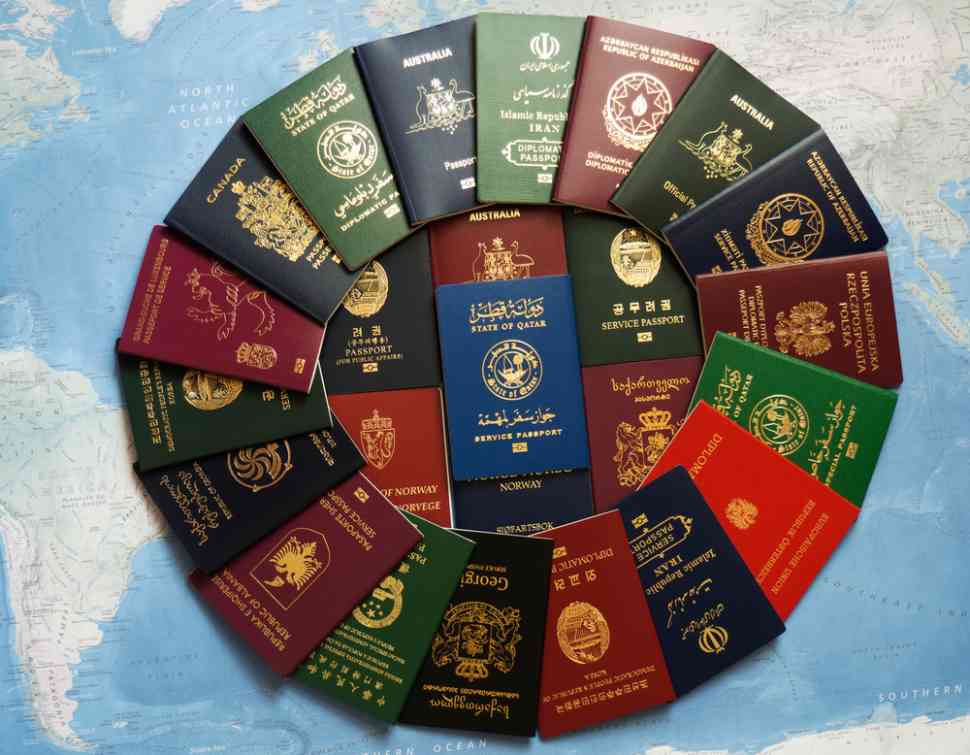
Our interim solution: we provide general guidance for free, but the highly specific and case-by-case steps are only available on plans that include a human expert.
What do you think? Have you seen a more elegant solution to this problem? Would love to hear your insights


Hey Kate,
I really like what you’re building with Migroot. It’s tackling a massive challenge for digital nomads. The way you’re balancing automation with human expertise is really smart, especially given how complex these visa processes can be.
I was curious though on how you are currently handling updates on changing visa requirements? I know some government agencies provide APIs for case tracking and legal status updates, but access varies by country. If automation could help streamline some of those frequent support questions (like required documents or processing times), it might reduce the number of users needing one-on-one guidance.
Really excited to see where Migroot goes! Looking forward to following your journey.