The Complete Digital Nomad Guide_ Mastering Remote Work While Exploring the World in 2025

The digital nomad lifestyle has evolved from a niche trend to a mainstream movement that's reshaping how we think about work, travel, and life balance. As remote work technologies mature and global connectivity improves, millions of professionals are discovering the freedom to work from anywhere while exploring diverse cultures and destinations. The key to successful nomadic living lies in strategic planning, from choosing optimal travel windows to selecting destinations that offer the perfect blend of adventure and productivity. Many nomads find that timing their travels with peak seasons, such as exploring the best places to visit in July when many destinations offer ideal weather conditions, can significantly enhance their experience while maintaining professional responsibilities and personal fulfillment.
The Rise of Location-Independent Professionals
The concept of location independence has transformed from an impossible dream to a realistic career path for professionals across numerous industries. Technology companies, marketing agencies, consulting firms, and even traditional corporations now embrace remote work arrangements that enable employees to work from virtually anywhere with reliable internet connectivity.
This shift represents more than just a change in workplace policies; it reflects a fundamental reimagining of the relationship between productivity and physical location. Studies consistently show that remote workers often demonstrate higher productivity levels, improved work-life balance, and increased job satisfaction compared to their office-bound counterparts.
The COVID-19 pandemic accelerated this transformation, forcing organizations worldwide to rapidly implement remote work infrastructure and processes. What began as an emergency response has evolved into permanent policy changes that continue expanding opportunities for location-independent work.
Essential Skills for Digital Nomad Success
Successful digital nomadism requires a unique combination of professional competencies, personal discipline, and adaptability skills that many traditional workers never need to develop. Time management becomes critically important when working across multiple time zones, coordinating with global teams, and maintaining productivity despite changing environments and potential distractions.
Communication skills take on heightened importance when you're primarily interacting with colleagues and clients through digital channels. Clear, concise written communication becomes essential, while video conferencing skills help maintain personal connections and professional relationships across distances.
Technical proficiency extends beyond basic computer literacy to include understanding various collaboration tools, troubleshooting connectivity issues, and maintaining cybersecurity awareness while working from diverse locations and networks. These skills often determine the difference between successful nomad experiences and frustrating technical challenges that impact both work quality and travel enjoyment.
Cultural adaptability and language learning capabilities enhance both professional opportunities and personal experiences. Nomads who can navigate different business cultures, understand local customs, and communicate in multiple languages often find better networking opportunities and more meaningful travel experiences.
Choosing Your Nomad Destinations Strategically
Destination selection for digital nomads involves balancing numerous factors that traditional tourists rarely need to consider. Cost of living, internet reliability, time zone compatibility with clients or employers, visa requirements, and co-working space availability all influence destination viability for working travelers.
Popular nomad destinations like Lisbon, Bali, and Medellín have great setups for digital workers, but Mexico has become a hotspot thanks to its growing remote-work infrastructure. With co-working spaces, nomad communities, and reliable internet across major cities, Mexico makes the transition smooth for travelers. To stay connected without the hassle of physical SIM cards, many digital nomads now choose a Mexico eSIM, which offers instant activation, affordable data plans, and seamless connectivity as they move from city to city.
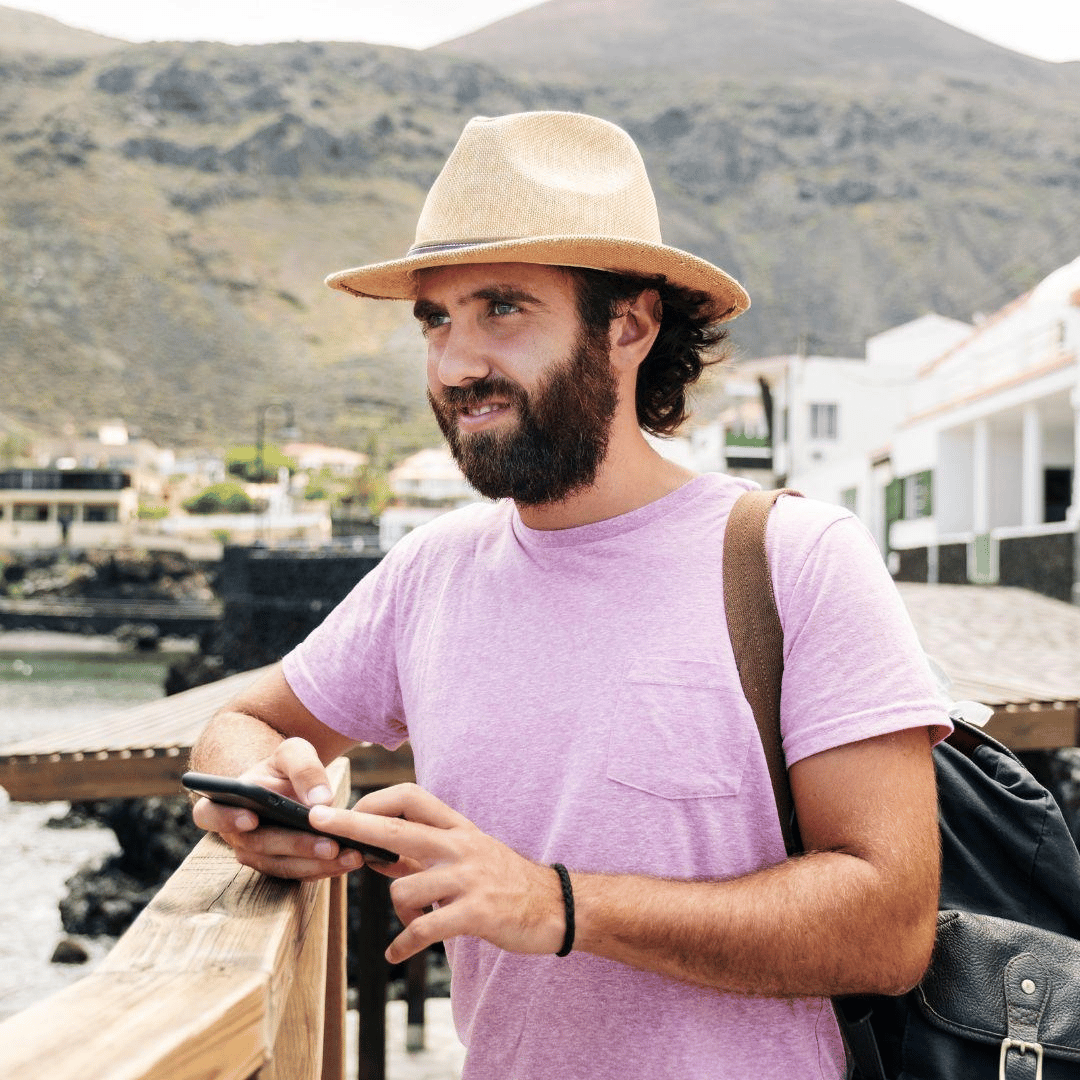
However, experienced nomads increasingly explore lesser-known destinations that offer unique experiences, lower costs, or specific advantages for their work requirements. Research becomes crucial for identifying these hidden gems and understanding potential challenges before committing to extended stays. Modern connectivity solutions have made remote destinations more accessible than ever, with reliable internet access becoming available in previously challenging locations through innovative technologies and improved infrastructure development.
Technology Infrastructure for Remote Work Success
Reliable technology infrastructure forms the foundation of successful digital nomad experiences. Your equipment setup must be portable, durable, and capable of handling your specific work requirements while remaining manageable during frequent travel.
Laptop selection involves balancing performance requirements with weight and battery life considerations. Many nomads invest in lightweight, high-performance machines that can handle demanding tasks while remaining comfortable to carry during long travel days. Backup equipment, including portable hard drives, universal adapters, and backup internet devices, can prevent minor technical issues from becoming major work disruptions.
Internet connectivity requires multiple backup solutions to ensure consistent access to work resources. Portable WiFi devices, local SIM cards, and mobile hotspot capabilities provide redundancy that keeps you connected even when primary internet sources fail. Understanding connectivity options before arriving in new destinations prevents unexpected downtime that could impact work commitments.
Cloud-based storage and collaboration tools enable seamless work continuation regardless of device issues or location changes. Organizing your digital workflow around cloud services ensures that work progress remains protected and accessible from any location with internet connectivity.
Financial Planning and Management
Digital nomad financial planning differs significantly from traditional budgeting approaches, requiring strategies that account for currency fluctuations, varying cost of living, irregular income patterns, and international tax obligations. Understanding these complexities before beginning nomadic life prevents financial stress that could derail your location independence goals.
Emergency fund requirements often exceed traditional recommendations due to the unpredictable nature of travel expenses, visa fees, and potential evacuation costs from unstable regions. Many experienced nomads recommend maintaining emergency funds equivalent to 6-12 months of expenses, significantly higher than typical financial advice for stationary professionals.
Banking solutions must accommodate international transactions, currency exchanges, and fee minimization strategies. Digital banking platforms designed for international users often provide better exchange rates and lower fees compared to traditional banks, while cryptocurrency solutions offer additional flexibility for certain transactions and destinations.
Tax obligations vary significantly based on your citizenship, residency status, and income sources. Professional tax advice becomes essential for nomads earning income across multiple jurisdictions, as mistakes can result in significant penalties and legal complications that far exceed the cost of professional guidance.
Health and Insurance Considerations
International health insurance represents one of the most critical investments for digital nomads, as domestic health coverage typically doesn't extend to international travel, and local healthcare costs can vary dramatically between destinations. Comprehensive nomad insurance plans specifically designed for long-term travelers often provide better coverage and value than traditional travel insurance.
Preventive healthcare planning includes understanding vaccination requirements, health risks, and medical infrastructure quality in your chosen destinations. Regular health checkups, maintaining prescription medications, and understanding emergency evacuation options become particularly important when spending extended periods in countries with limited medical facilities.
Mental health considerations often receive insufficient attention despite the significant psychological challenges that nomadic lifestyles can present. Social isolation, cultural adjustment stress, and the constant adaptation required by frequent location changes can impact mental wellbeing in ways that many new nomads don't anticipate.
Building and Maintaining Professional Networks
Professional networking as a digital nomad requires intentional strategies that differ from traditional in-person relationship building. Virtual networking through industry conferences, online communities, and social media platforms becomes essential for maintaining professional visibility and discovering new opportunities.
Local nomad communities and co-working spaces provide opportunities for in-person networking that can lead to collaborations, friendships, and professional opportunities. Many cities with established nomad populations organize regular networking events, skill-sharing sessions, and social gatherings that facilitate meaningful connections.
Maintaining relationships with colleagues and clients requires consistent communication and reliability that demonstrates professionalism despite your unconventional work location. Regular check-ins, proactive communication about your availability and location changes, and consistent work quality help maintain trust and professional relationships across distances.
Legal and Visa Considerations
Visa requirements for digital nomads vary significantly between countries and continue evolving as governments recognize the economic benefits of attracting remote workers. Understanding tourist visa limitations, work permit requirements, and the growing category of digital nomad visas becomes essential for legal compliance and trip planning.
Digital nomad visas now available in countries like Portugal, Estonia, Dubai, and Barbados offer legal pathways for remote work that eliminate the gray areas of working on tourist visas. However, these visas often come with specific requirements regarding income levels, health insurance, and intended duration of stay.
Tax residency implications of extended stays in various countries can create complex obligations that require professional guidance. The threshold for becoming a tax resident varies by country and can trigger obligations for local tax payments even if your income originates elsewhere.
Cultural Integration and Language Learning
Successful nomads develop cultural sensitivity and integration skills that enhance both their travel experiences and professional opportunities. Understanding local business customs, communication styles, and social norms prevents misunderstandings that could impact work relationships or personal safety.
Language learning becomes both a professional advantage and a personal enrichment opportunity for nomads spending extended periods in non-English speaking countries. Even basic conversational skills in local languages can significantly improve daily life quality and create opportunities for deeper cultural experiences.
Cultural adaptation strategies include research about local customs, participation in community events, and gradually building relationships with local residents rather than exclusively associating with other nomads. This integration often leads to unique opportunities and experiences that purely tourist-focused travel cannot provide.
Productivity and Work-Life Balance
Maintaining productivity while constantly changing environments requires disciplined routines and environmental design strategies. Many successful nomads develop portable routines that can be implemented regardless of location, creating consistency amid constant change.
Workspace optimization involves identifying and creating productive work environments in various settings, from co-working spaces and cafes to Airbnb accommodations and hotel rooms. Understanding your specific productivity requirements helps guide accommodation choices and daily routine planning.
Boundary management between work and travel experiences requires intentional strategies to prevent either aspect from overwhelming the other. Some nomads designate specific days for pure tourism, while others integrate exploration into their daily routines during non-work hours.
Time zone management becomes particularly challenging when serving clients or employers across multiple zones. Strategies for managing communication expectations, scheduling meetings, and maintaining reasonable work hours despite time zone differences are essential for long-term success.
Transportation and Accommodation Strategies
Accommodation choices significantly impact both travel experiences and work productivity for digital nomads. Extended-stay options like monthly Airbnb rentals, co-living spaces, and nomad-friendly hotels often provide better value and amenities compared to traditional short-term accommodations.
Transportation planning involves balancing cost, convenience, and environmental considerations while maintaining flexibility for itinerary changes. Many nomads develop strategies for affordable long-distance transportation while maintaining the ability to adapt plans based on work requirements or personal preferences.
Packing strategies for nomadic lifestyles require minimalism and careful selection of versatile items that serve multiple purposes. Successful nomads typically travel with significantly less than traditional long-term travelers, focusing on essential items that support both work and personal needs.
Safety and Security Practices
Personal security awareness becomes heightened when traveling solo in unfamiliar destinations while carrying valuable work equipment. Understanding local safety conditions, common scams targeting tourists, and emergency procedures helps prevent situations that could disrupt both travel plans and work commitments.
Digital security practices must account for working on potentially unsecured networks, protecting sensitive client information, and maintaining cybersecurity standards while traveling. VPN services, secure communication tools, and regular security updates become essential elements of nomad technology practices.
Emergency preparation includes understanding local emergency services, maintaining emergency contacts, and having evacuation plans for destinations with political instability or natural disaster risks. Insurance policies and emergency funds should account for these potential scenarios.
The nomadic lifestyle continues evolving as new destinations develop infrastructure to attract remote workers and technology solutions improve the feasibility of location-independent work. Countries recognizing the economic benefits of nomad populations are creating policies and infrastructure specifically designed to attract and retain these mobile professionals.
Emerging trends include nomad-specific housing developments, integrated co-working and accommodation solutions, and government policies designed to streamline visa processes for remote workers. These developments suggest that nomadic lifestyles will become increasingly mainstream and accessible.
For nomads planning extended journeys through diverse regions, understanding connectivity solutions becomes crucial for maintaining productivity regardless of destination. Whether exploring Central American beaches or Southeast Asian temples, having reliable internet access through solutions like unlimited esim services ensures seamless work continuation while discovering new cultures and experiences. The future of nomadic work lies in the perfect integration of professional productivity with personal exploration, enabled by advancing technology and increasing global acceptance of location-independent lifestyles.
Frequently Asked Questions
Q: How much money do I need to start living as a digital nomad? A: The required budget varies significantly based on your lifestyle preferences and chosen destinations. Budget nomads can survive on $1,000-1,500 per month in low-cost destinations, while comfortable nomadic living typically requires $2,000-4,000 monthly. Factor in startup costs for equipment, insurance, visas, and emergency funds totaling $5,000-10,000 before beginning nomadic life.
Q: What types of jobs work best for digital nomads? A: Technology roles (software development, web design, digital marketing), creative services (writing, graphic design, photography), consulting, online teaching, and customer service roles translate well to nomadic lifestyles. The key is having work that can be completed independently with just internet access and doesn't require physical presence or location-specific resources.
Q: How do I handle taxes as a digital nomad? A: Tax obligations depend on your citizenship, residency status, and income sources. US citizens must file taxes regardless of location, while other nationalities may have different requirements. Many nomads benefit from foreign earned income exclusions, but complex situations require professional tax advice. Keep detailed records of locations, dates, and income sources.
Q: Is the digital nomad lifestyle lonely? A: Loneliness can be a significant challenge, especially for nomads who don't actively build social connections. However, established nomad communities, co-working spaces, and online communities provide opportunities for meaningful relationships. Success often depends on your personality, social skills, and effort invested in building connections.
Q: How do I maintain client relationships while traveling? A: Consistent communication, reliable internet access, and professional behavior regardless of location are essential. Set clear expectations about your availability, maintain regular check-ins, and deliver quality work on schedule. Many clients don't need to know your exact location if your work quality remains consistent.
Q: What should I do if I get sick or have an emergency abroad? A: Comprehensive international health insurance is essential, along with emergency contacts and evacuation coverage. Research local healthcare quality and emergency procedures for each destination. Maintain emergency funds for unexpected medical expenses and potential evacuation costs. Register with your embassy or consulate in countries with security concerns.


Solid guide - I switched to using an eSIM (mesim) instead of local SIMs and it made things way easier when moving between countries.