The Crucible Effect: Forging Resilient Teams in the Fire of Ambiguity
Our natural instinct, both as individuals and as leaders, is to seek stability and avoid pain. We crave predictability, clarity, and comfort. We design elaborate project plans to eliminate uncertainty and build processes to guard against failure. We believe that the primary role of a leader is to protect their team from the stress, pressure, and ambiguity of the outside world. This instinct, while well-intentioned, is a trap. In an effort to create a safe harbor, we inadvertently build fragile teams—teams that are optimized for calm seas and are shattered by the first real storm. They lack the muscle memory of overcoming real adversity together.
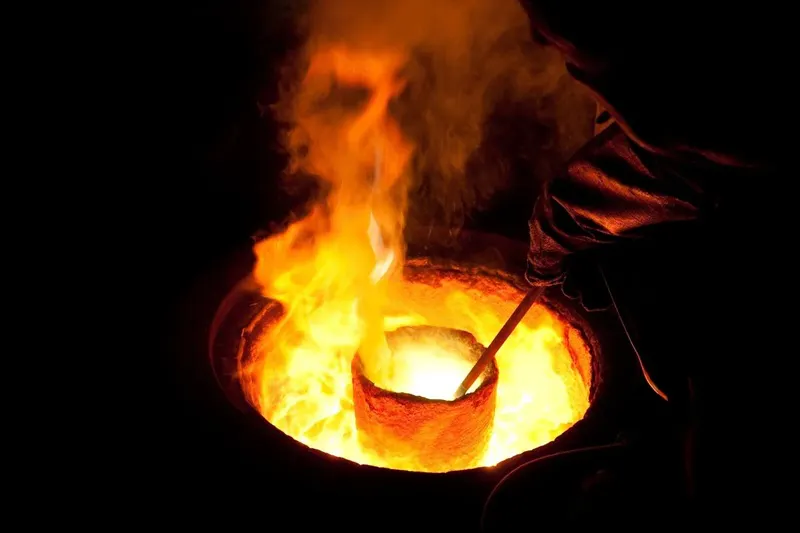
A more powerful, albeit counter-intuitive, approach is to reframe the role of challenges. Instead of viewing pressure and ambiguity as threats to be avoided, we can see them as essential ingredients for transformational growth. This is the Crucible Effect. A crucible is a container that withstands immense heat to burn away impurities and forge materials into something fundamentally stronger and more refined. A great leader understands that a period of intense, contained challenge—a crucible—can be the most powerful tool for forging a truly resilient and deeply bonded team. It's the "make-or-break" project that, when survived, becomes the stuff of legend for the team that went through it.
Understanding the Crucible
Not every difficult situation is a healthy crucible. An uncontained fire simply destroys, leading to burnout, trauma, and attrition. The Crucible Effect requires three distinct elements, managed skillfully by the leader.
The Crucible Itself: This is the container—a high-stakes project, a tight deadline for a critical product launch, a market crisis, or a major organizational change. It must be a challenge that is bigger than any one individual and requires the team to operate at its absolute peak, forcing them to rely on each other in new ways.
The Heat: This is the pressure, the ambiguity, and the uncertainty of the situation. It’s the force that creates the discomfort and demands that the team shed old ways of working and thinking. The heat is what forces the impurities—like inefficient processes, poor communication habits, or simmering interpersonal conflicts—to the surface.
The Forger: This is the leader. Their role is not to remove the heat, but to manage the process with skill and emotional intelligence. They must ensure the crucible’s walls (the team's psychological safety) hold, guide the transformation, and help the team integrate the experience afterward. Without a skilled forger, the crucible becomes a traumatic event. With one, it becomes a formative one.
The Leader's Role as the Forger
The leader's actions before, during, and after a period of intense challenge are what separate a team that is forged from one that is broken.
Containing the Heat: Providing Psychological Safety
A crucible has strong walls. The leader's first and most important job is to build these walls through psychological safety. This isn't about removing pressure; it's about removing fear. It's the profound difference between "We have to get this right" and "You'll be fired if you get this wrong." The leader sets the tone by saying things like, "This is going to be incredibly difficult, and we won't get everything right on the first try. Our success depends on our honesty with each other and our ability to learn quickly from mistakes." This creates a high-stakes, high-trust environment where people can focus all their energy on the problem, not on watching their backs.
Framing the Narrative: Finding Meaning in the Struggle
During the most intense moments, a team can easily lose perspective and succumb to frustration or despair. The leader's most important job is to act as the chief meaning-maker. They must constantly frame the narrative, connecting the team's difficult work to a larger purpose. This isn't about empty motivational speeches. It's about consistently and authentically reminding the team why their struggle matters. They say, "This is hard, and this is our opportunity to show our industry what a truly innovative solution looks like," or "The pressure is immense, and this is the moment that will define us as a team." They don't deny the difficulty; they contextualize it.
Guiding the Cooldown: Facilitating Reflection and Integration
The work is not done when the project is shipped or the crisis abates. The forging process is only completed during the "cooldown," where the lessons are integrated into the team's DNA. A great leader deliberately carves out space for a structured reflection. They gather the team and ask powerful questions: "What did we learn about ourselves during that period? What was the moment you felt proudest of this team? What process broke under pressure that we need to fix? How will we work differently from now on?" This guided reflection is what solidifies the bonds of trust and transforms the shared experience from a painful memory into a legendary story of collective achievement. This capacity to guide a team's emotional journey through adversity is a high-level skill, a core topic in any advanced women in leadership course focused on building resilient organizations through emotional intelligence.
The Leader as the Calm Center of the Storm
Throughout the crucible, the leader must perform a difficult emotional balancing act. They must absorb the team's stress and anxiety without amplifying it and passing it back. They must be a "non-anxious presence," a calm and steady anchor in the storm. This doesn't mean being emotionless or robotic. It means demonstrating vulnerability and acknowledging the pressure while modeling a core confidence that the team has what it takes to get through it. This emotional regulation is perhaps the most difficult work of the forger, as it requires immense self-awareness and self-control.
A team that has been through a well-led crucible emerges fundamentally changed. They have a new level of trust born from seeing each other perform under pressure. They have a shared shorthand, an internal language forged in the fire. They possess a quiet confidence in their collective ability to handle whatever comes next. They are not just resilient; they are antifragile—they have actually gotten stronger because of the stress they endured. The ultimate job of a leader is not to create a world without challenges for their team. It is to cultivate a team that is strong enough to meet, and be transformed by, any challenge.

