The Dangers of Overnight Startups
Lately a fascinating trend has sprung up: "overnight startups."
Ventures that spring to life almost as quickly as they were conceived. It's a testament to the agility of today's entrepreneurial spirit. I did it when creating Roastd.io and admittedly it did work out for me so far but many others have not seen a similar success and I think it boils down to a few reasons.
1. Overnight Startup Dilemma:
Diving headfirst into a startup without truly understanding the market is like setting sail without a compass. Sure the journey's thrilling, but are we heading in the right direction? A deep, nuanced grasp of our audience, their challenges and desires is pivotal. Without it, we might end up with a product that, while technically sound, misses the mark. The rush to have an overnight success might be killing your product.
2. Quality: The Unintended Casualty:
There's a certain allure to being the first, to breaking barriers, and to launching before anyone else does. But here's the catch: In our race against time, are we inadvertently sidelining quality? I'm not just talking about a glitch here or a bug there. It's about the holistic experience we offer our users. When we rush, we might miss out on the intricate details—the intuitive user interface, the seamless user journey, the little features that enhance user satisfaction. Remember, first impressions matter. If our product feels more like a beta version than a polished masterpiece, users might not stick around for version two.
3. Feedback: The Growth Catalyst
I've always believed that startups aren't built in silos; they're built on feedback. It's the raw, unfiltered, sometimes brutal truths that users share which help shape a product into something they love. By speeding through the development phase, we risk launching into a vacuum. Without iterative feedback loops, we miss out on understanding user pain points, desires, and the small tweaks that can make a world of difference.
4. The Looming Threat of Burnout:
The startup world is grueling. And while the adrenaline rush of an overnight launch is intoxicating, it's also incredibly draining. There's a mental, emotional, and even physical toll that such intensity takes. Continuous late nights, the pressure to deliver, the stress of potential failure—it all adds up. And burnout? It's not just about exhaustion. It can lead to a decline in work quality, strained team dynamics and even health issues. It's a high price to pay and one that can jeopardize the very foundation of the startup.
5. Community: Beyond Just Numbers:
In our digital age, community is everything. It's not just about having users; it's about fostering a sense of belonging, of loyalty. When we rush our launch, we might get numbers, but do we get advocates? Building a community takes time, effort and genuine engagement. It's about listening, interacting and iterating. An overnight startup might miss these early, crucial opportunities to connect, leaving a void between the brand and its users.
6. Post-Launch: Navigating Uncharted Waters:
So, you've launched. Congratulations! But here's the thing: the journey's just begun. Users will flood in with questions, feedback and yes, bugs. And this phase? It's make or break. An unprepared startup can find itself overwhelmed, struggling to keep up with support tickets, feedback loops and updates. It's not just about fixing what's broken; it's about continuous improvement, about showing your users that you're there, you're listening and that you're committed to making the experience better for them.
Final Thoughts:
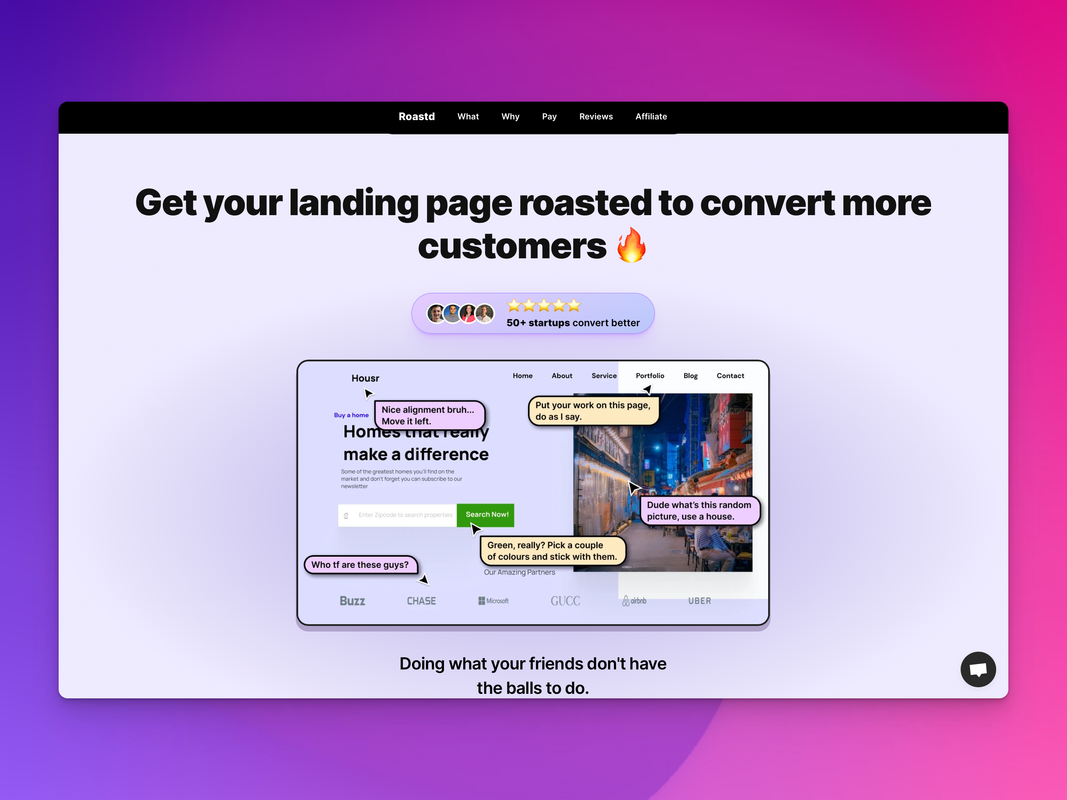
The allure of overnight startups is undeniable. But in our quest for speed, it's worth pausing and reflecting on what might be left behind. If your startup is struggling with traction or conversion then check out Roastd.io and get your landing page brutally roasted to help you improve.
Keen to hear your thoughts and experiences on this. Have you ever launched or been part of an "overnight startup"? How did it pan out?
