The Dark Side of SaaS Growth: Dealing With Refunds, Chargebacks & Scammers
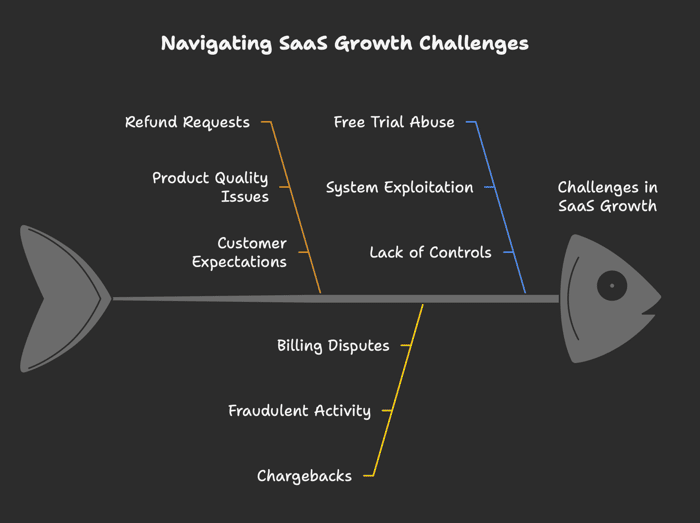
Running a SaaS business is exciting. You build a product, get your first paying customers, and watch as revenue starts growing. But then reality hits—you get your first refund request. Then a chargeback. Then you discover someone is abusing your free trial system. Welcome to the less glamorous side of SaaS growth.

I’ve been in the trenches, and trust me, dealing with refunds, chargebacks, and scammers is part of the game. Here’s what I’ve learned, and how you can prepare for it.
1. Refunds: When Customers Want Their Money Back
Refunds are a normal part of business, but in SaaS, they sting a little more. Unlike physical products, you can’t take back the "used" software. Customers might have already benefited from your tool, but they still want a refund.
Why Do Refunds Happen?
- Product Expectations vs. Reality – Customers may feel your software didn’t deliver what they expected.
- Technical Issues – Bugs, slow performance, or integration problems can frustrate users.
- No Real Usage – Some customers buy but never actually use the product, then request a refund.
- Buyers' Remorse – A sudden realization that they don’t really need your tool.
How to Reduce Refunds
Set Clear Expectations – Your landing page should accurately reflect what your software does.
Offer a Trial or Demo – Let users test before committing.
Improve Onboarding – A great onboarding experience reduces churn and refund requests.
Have a Fair Refund Policy – Set clear terms on when refunds are allowed.
2. Chargebacks: The Silent Revenue Killer
Chargebacks are worse than refunds. They not only take away revenue but also come with fees and can harm your reputation with payment processors. Too many chargebacks, and Stripe or PayPal might flag your business as "high-risk."
Common Reasons for Chargebacks
- Unauthorized Transactions – A customer claims they never made the purchase (even if they did).
- Product/Service Disputes – They claim your software didn’t work or wasn’t as described.
- Recurring Payments Shock – Customers forget they signed up for a subscription and dispute the charge.
- Fraud – Stolen credit cards used for sign-ups.
How to Fight Chargebacks
Use Clear Billing Descriptions – Customers should instantly recognize the charge on their statement.
Send Payment Confirmations – Email receipts with details of the purchase.
Have Excellent Support – A responsive support team can resolve issues before they escalate to a chargeback.
Require Strong Authentication – Tools like 3D Secure can prevent fraudulent
transactions.
Keep Proof of Transactions – If you need to dispute a chargeback, having proof (like user logs) helps.
3. Scammers & Free Trial Abusers
For every genuine customer, there’s someone trying to game the system. Some people sign up for trials with fake emails. Others use stolen credit cards to get access. Some even buy, download everything they can, and then demand a refund.
Common Scams in SaaS
- Free Trial Abuse – Using multiple emails to get unlimited trials.
- Chargeback Fraud – Buying, using the product, then disputing the charge.
- Reselling Accounts – People buy accounts on promo pricing and resell them at a higher rate.
- Fake Refund Requests – Claiming the product never worked when it actually did.
How to Deal With Scammers
Limit Trial Accounts – Use email verification and limit sign-ups from the same IP.
Monitor Unusual Activity – Sudden spikes in sign-ups from the same location can be a red flag.
Use Fraud Prevention Tools – Stripe Radar, PayPal fraud protection, and other tools can help filter out high-risk transactions.
Blacklist Abusers – Keep a record of fraudulent users and block them from creating new accounts.
4. What I’ve Learned From Dealing With These Issues
I won’t lie—when I first started, I took every refund and chargeback personally.
It felt like an attack on my business. But over time, I realized:
- Refunds are normal. Some people just aren’t the right fit, and that’s okay.
- Chargebacks need to be minimized. If you don’t fight them, they’ll eat into your revenue.
- Scammers will always exist. Your job is to make it harder for them while keeping things smooth for real customers.
Today, I run my SaaS with better fraud detection, a clear refund policy, and automated systems to prevent abuse. If you’re growing your SaaS, expect these challenges—but with the right precautions, you can minimize the damage.
Have you dealt with refunds, chargebacks, or scammers in your SaaS? Share your experiences in the comments!

Really solid breakdown, especially the point that chargebacks are worse than refunds because they hit fees and your processor reputation too.
The one thing I would add, since you listed proof of transactions under fighting chargebacks: the win or loss usually comes down to whether the evidence answers the specific question the bank asked, not how much proof you submit.
A bank reviewer spends about two minutes on a case. They are not judging whether the customer "deserves" a refund. They are answering a narrow question tied to the reason code. For your "recurring payment shock" case where someone forgets they subscribed, the question is basically "did this person agree to recurring billing and keep using the product?" SaaS is actually well positioned to answer that, because you have login timestamps after the charge, feature usage, and the signup record with agreed terms. That specific combination wins those cases far more often than a general "here are our logs" submission.
Where most founders lose winnable ones is submitting a frustrated narrative about the scammer instead of packaging that exact evidence to the reason code. "This customer is abusing us" does not move a reviewer. "Signup timestamp, 40 logins after the charge, plan they agreed to" does.
For genuine stolen-card fraud, agreed, accepting is usually the right call. But the friendly fraud on real accounts is more recoverable than most people treat it.