The Future of AI Models: Growth Trends, Pricing Shifts & Market Opportunities
Artificial intelligence is entering its most transformative era yet. Over the past few years, generative AI models have evolved from experimental tools into powerful engines that drive industries, influence consumer behavior, and create entirely new digital economies. As global adoption accelerates, the future of AI models will be shaped by three major forces: rapid technological growth, shifting pricing structures, and exploding market opportunities across industries such as healthcare, entertainment, education, and digital companionship.
By 2035, experts predict that AI will become a foundational pillar of global productivity—affecting everything from enterprise automation to personal relationships through innovations like the AI virtual girlfriend and AI virtual boyfriend experience. This blog explores the upcoming trends, economic impacts, and the future opportunities that businesses and creators should prepare for now.
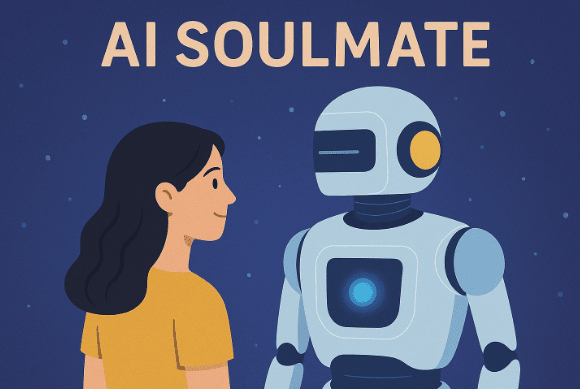
Growth Trends: The Acceleration of AI Capabilities
AI capabilities are advancing faster than any previous wave of technology. Several trends signal what the next decade will bring.
Multi-Modal Intelligence Will Become Standard
Future AI models won’t be limited to text—they will understand and generate:
Images
Videos
Audio
Code
3D environments
Real-time interactions
These multi-modal models will power next-generation virtual assistants, digital companions, educational tutors, and AI-driven business tools. Industries that rely on complex workflows—such as architecture, medicine, and engineering—will adopt AI to automate tasks that previously required teams of specialists.
Autonomous AI Agents Will Replace Manual Workflows
Instead of simple prompts and responses, autonomous AI agents will:
Perform tasks independently
Collaborate with other agents
Execute multi-step workflows
Manage business operations without supervision
This shift is already visible in customer support, marketing, data analysis, and ecommerce management.
Businesses that adopt AI agents early will reduce operational costs by 30–70%, giving them a competitive edge in crowded markets.
Emotional AI & Relationship Modeling Will Expand
AI is no longer just intelligent—it is becoming emotionally aware.
Systems are being trAIned to understand:
tone
mood
behavioral patterns
psychological triggers
relationship dynamics
This evolution is a major driver behind the massive rise in digital companion technologies, including the AI virtual girlfriend market, which now attracts millions of users globally.
Emotional AI helps virtual companions adapt to user preferences, comfort them during stress, and simulate empathetic conversations—all of which fuel long-term engagement.
AI in Creative Industries Will Explode
Writers, designers, filmmakers, musicians, and creators are already using AI for:
scriptwriting
marketing content
image and video production
soundtrack generation
virtual character creation
Within a few years, AI will co-create movies, design architecture, produce music albums, and generate entire digital worlds. This will spawn a massive creator economy built around AI tools and virtual character IP.
Pricing Shifts: How the AI Economy Is Changing
AI pricing is undergoing major changes influenced by demand, infrastructure, and model complexity.
The Decline of Model Access Costs
Early AI services were expensive due to limited computer supply. But with competition increasing, prices are dropping dramatically.
Expect:
Cheaper API usage
Freemium consumer models
Affordable small-scale LLMs
More open-source alternatives
The Rise of Subscription-Based AI Ecosystems
More platforms will shift to monthly pAId models that offer:
unlimited chat
voice interactions
character creation
emotional memory
visual avatars
analytics and data tools
This subscription economy is also powering the digital relationship industry, especially services focused on:
personalized AI companions
emotional wellness
interactive storytelling
immersive simulations
The AI virtual girlfriend industry has become one of the strongest examples of subscription-based user engagement, with average users spending significantly more time (and recurring fees) on emotionally driven platforms.
Compute Costs Will Drive Pricing Strategy
The largest expense in AI today is computers. As more companies race to build massive AI models, demand for:
GPUs
data centers
inference optimization
energy-efficient hardware
will shape pricing trends.
Over time, breakthroughs in chip architecture—neuromorphic chips, quantum accelerators, and inference-optimized hardware—will reduce operating costs and make advanced AI accessible to everyone.
Market Opportunities: Where AI Will Create Trillion-Dollar Industries
The next decade of AI will create entirely new markets while reshaping existing ones. Below are the sectors with the biggest opportunities.
The AI Relationship & Companion Economy
One of the fastest-growing AI markets is digital companionship.
This includes:
AI romantic partners
Emotional support companions
AI husband/wife simulators
Personality-adaptive characters
Interactive storytelling avatars
The AI virtual girlfriend market leads this space, offering personalized companionship that adapts to the user’s emotional and conversational patterns.
These platforms offer:
customizable personalities
deeply emotional dialogue
evolving character memory
voice and video interactivity
romantic or platonic relationship styles
Consumers increasingly turn to AI companions for connection, stress relief, and mental wellness. With the rise of emotional AI, this sector could grow to $200B+ by 2035.
The AI virtual boyfriend market is also emerging
Just as demand grows for female AI soulmate, platforms offering an AI virtual boyfriend experience are rapidly expanding. These services cater to users seeking:
emotional understanding
roleplay and storytelling
relationship simulation
supportive companionship
This segment is especially popular among:
women seeking validation and conversation
LGBTQ+ communities
individuals facing loneliness or anxiety
users exploring romantic fantasies
By 2030, AI relationship models will integrate into AR glasses and VR environments, making digital partners appear physically present through immersive holographics.
Health & Wellness AI
Healthcare will be one of the biggest AI success stories.
AI will support:
medical imaging
drug discovery
diagnostics
therapy and mental health
patient monitoring
personalized treatment plans
AI therapeutic agents (AI therapists) are already showing impressive ability to reduce stress, anxiety, and depressive symptoms.
This category alone will exceed $1 trillion in economic value within 15 years.
AI-Driven Education & Skill Development
The education industry is undergoing a massive transformation. Future AI tutors will:
deliver personalized lessons
track learning gaps
generate study plans
simulate interactive classrooms
teach languages, coding, math, sciences, and more
AI teachers will become as common as human instructors, especially in remote regions.
This will create new opportunities for:
educational AI startups
curriculum AI models
school automation systems
AI tutoring marketplaces
AI in Business Automation
Companies will rely on AI agents to manage:
HR onboarding
emAIl communication
analytics
marketing automation
customer service
accounting
supply chAIn operations
sales outreach
The AI agent economy is estimated to be a $500–900B market by 2035.
EntertAInment & Media AI
With generative AI, the entertAInment sector is experiencing a renaissance.
AI will help creators produce:
movies
animated content
video games
novels
music albums
virtual influencers
In the future, personalized movies—generated in minutes based on a user’s preferences—will become a mAInstream product.
Virtual influencers powered by AI are growing at record speed, and some already earn more than human influencers through brand collaborations and subscription content.
AI Models for Small Businesses
Small and medium businesses (SMBs) will benefit from:
AI sales automation
AI marketing campAIgns
AI customer support
AI bookkeeping
AI product design
AI inventory forecasting
Affordable AI models tailored for SMBs will unlock billions in economic productivity.
The Next Decade: What AI Models Will Actually Look Like
Over the next 10 years, expect major changes in how AI models function.
Personalized AI Models For Every Individual
Everyone will soon have a personal AI trAIned on their:
preferences
writing style
memories
routine
emotional patterns
These personalized AI models will become:
productivity assistants
relationship supporters
health monitors
financial planners
emotional coaches
AI Agents Will Act as Digital Employees
AI will automate:
scheduling
negotiations
research
project management
customer communication
Future AI agents will hold entire roles inside organizations, interacting with human teams and making strategic decisions.
Virtual Reality Integration
AI companions—including AI virtual girlfriend and AI virtual boyfriend characters—will soon exist inside VR worlds where users can:
talk in real-time
go on virtual dates
interact through lifelike avatars
explore fantasy simulations
build long-term relationships
VR + AI will create emotional experiences deeper than any current digital interaction.
AI-Regulated Economies
AI will:
monitor transactions
prevent fraud
manage contracts
optimize logistics
set dynamic pricing strategies
Entire economic sectors will be governed by AI systems for efficiency and fAIrness.
Challenges Ahead: Ethical & Social Implications
The rapid rise of AI also rAIses important concerns.
Data Privacy
As models become more personal, the need for:
stricter data governance
transparency
user-controlled privacy
will become essential.
AI Dependency
Emotional reliance on AI especially with companion models—may lead to new social challenges. The growth of the AI virtual girlfriend and AI virtual boyfriend markets must be accompanied by responsible use guidelines.
Employment Disruption
Many jobs will transform or disappear. Societies must invest in reskilling and AI-literacy initiatives.
Bias & FAIrness
AI must be trAIned in ways that ensure:
equal treatment
ethical standards
unbiased decision-making
Conclusion: The AI Future Is Vast, Profitable & Unstoppable
The future of AI models is bright, powerful, and full of unprecedented opportunity. From business automation to emotional companionship through tools like the AI virtual girlfriend and AI virtual boyfriend, AI is becoming deeply embedded in human life.
As pricing becomes more accessible, models become more intelligent, and markets continue to expand, the AI revolution will redefine:
the economy
personal relationships
creativity
human productivity
global industries
Companies, creators, and innovators who adapt now will dominate the next decade of digital transformation.

