The Future of Crypto-to-Fiat Services in France
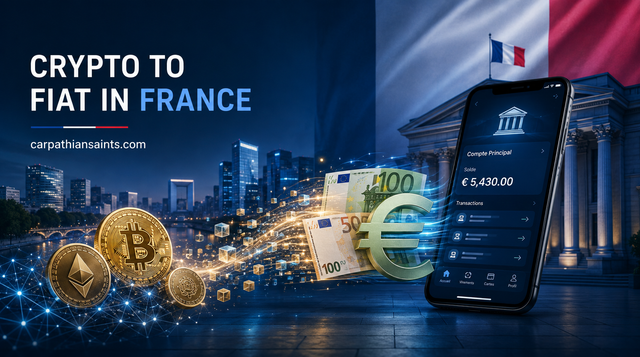
France’s Evolving Digital Finance Landscape
France has become an important European market for cryptocurrency adoption, digital payments, and financial technology. As more individuals receive, trade, or hold digital assets, the ability to convert cryptocurrency into traditional money is becoming increasingly valuable. French users do not necessarily want to keep all their funds within the crypto economy. They may need euros to cover household expenses, make business payments, manage investments, or transfer money to an ordinary bank account. This demand is encouraging the development of financial platforms that aim to connect cryptocurrency markets with established banking services.
A platform such as carpathiansaints.com can be considered within this developing crypto-to-fiat environment. Its relevance lies in the broader need for practical financial channels through which French users can exchange eligible cryptocurrency for fiat currency and access funds using familiar banking arrangements. The future of this sector will depend on whether platforms can deliver security, transparency, regulatory awareness, competitive conversion terms, and a convenient user experience.
Connecting Cryptocurrency With French Banking Services
The traditional banking system and the cryptocurrency economy operate in different ways. Cryptocurrency transactions take place through blockchain networks, while euros are transferred through regulated financial institutions and conventional payment infrastructure. A crypto-to-fiat platform serves as a bridge between these two environments by facilitating the sale or conversion of digital assets and arranging the corresponding fiat settlement.
For French users, the banking side of this process is especially important. Many people want converted funds sent to a French bank account rather than held indefinitely in an online wallet. Depending on the platform’s supported services, this process may involve entering bank details, verifying account ownership, selecting the amount of cryptocurrency to exchange, reviewing the proposed rate, and authorizing the transaction. The euro proceeds may then be transferred through an available banking channel.
Users considering carpathiansaints.com should examine its current terms, supported assets, geographic availability, verification requirements, settlement methods, and transaction limits before proceeding. These details can change, and they may differ according to the customer’s location, account status, selected cryptocurrency, and banking institution.
Why Demand for Crypto-to-Fiat Access Is Growing
Cryptocurrency is gradually moving beyond speculative trading. Freelancers may receive digital assets from international clients, investors may sell part of a portfolio, and online businesses may accept cryptocurrency from customers. In each situation, users can eventually need an efficient way to convert digital value into euros. A reliable crypto-to-fiat service can therefore support everyday financial activity instead of limiting cryptocurrency to trading platforms and private wallets.
France also has a mature banking market and a population that is accustomed to digital financial services. Mobile banking, contactless payments, online identity checks, and app-based account management have helped create an environment in which customers expect transactions to be fast and accessible. Platforms operating in the conversion sector must respond to these expectations while recognizing that cryptocurrency transfers can carry different risks from standard bank payments.
Within this context, carpathiansaints.com may be presented as a platform intended for users exploring the connection between crypto assets and fiat banking. Its long-term relevance will depend on the practical quality of the conversion experience, including the clarity of instructions, visibility of charges, availability of customer support, and reliability of fiat settlement.
Security, Verification, and Regulatory Expectations
The future of crypto-to-fiat services in France will be strongly shaped by European and French regulatory requirements. Financial platforms may be expected to conduct identity verification, monitor transactions, maintain records, and apply measures designed to prevent fraud and money laundering. Although some customers may view verification as an inconvenience, these procedures can play an important role in protecting the integrity of financial services.
Before using carpathiansaints.com or any comparable platform, a French customer should independently confirm who operates the service and whether it possesses any registrations or authorizations required for the activities it offers. Users should also read the privacy policy, transaction terms, refund conditions, risk disclosures, and complaints procedure. A professional-looking website should not be treated as proof of regulatory approval or guaranteed financial safety.
Account security will be equally significant. Strong passwords, secure connections, two-factor authentication where available, and careful verification of wallet addresses can reduce avoidable risks. Customers should never disclose wallet recovery phrases or private keys to a conversion service. It is also sensible to begin with a modest transaction when evaluating an unfamiliar platform and to retain receipts, blockchain transaction identifiers, exchange confirmations, and bank records.
Technology Will Improve the Conversion Experience
Future crypto-to-fiat platforms are likely to make conversion processes faster and easier to understand. Improved transaction monitoring could provide customers with clearer status updates from the moment cryptocurrency is transferred until euros reach the designated bank account. Automated compliance systems may shorten verification times while detecting unusual activity more effectively. Better rate-comparison tools could also help users understand how market prices, spreads, blockchain charges, and service fees affect the amount they ultimately receive.
Platforms such as carpathiansaints.com will need to place transparency at the center of this experience. Before confirming a conversion, users should ideally be able to see the cryptocurrency amount being sold, the applicable exchange rate, every relevant charge, the expected euro amount, and an estimated settlement period. This information enables customers to compare services fairly and prevents confusion about why the final bank deposit may differ from a headline market price.
Integration with European payment systems may further improve settlement speed. Nevertheless, instant processing should never be assumed. Blockchain congestion, security reviews, bank operating hours, compliance checks, transaction size, and incorrect account information can all affect completion times. Clear communication about these variables will be an important competitive advantage.
The Future of carpathiansaints.com and Similar Platforms
The French crypto-to-fiat market is likely to become more structured as regulations mature and consumers become more knowledgeable. Customers will increasingly favor services that combine convenience with verifiable corporate information, responsible compliance procedures, dependable support, and transparent pricing. Platforms unable to meet these expectations may struggle to earn long-term trust.
For carpathiansaints.com, the opportunity is connected to a genuine financial need: helping eligible French users move value from cryptocurrency into fiat currency that can be used through conventional banking services. To remain relevant, the platform would need to adapt to regulatory changes, strengthen security, communicate costs clearly, and support customers throughout the conversion process.
Crypto-to-fiat services may ultimately become a normal part of the wider financial system rather than a specialist tool. Their success in France will depend on how effectively they connect blockchain-based assets with the reliability and familiarity of euro banking. French users should approach this emerging market with both interest and caution, comparing providers carefully and verifying important claims before transferring funds. If platforms such as carpathiansaints.com can respond to these expectations responsibly, they may contribute to a more accessible connection between digital assets and everyday finance.
