The Future of Flexible Workspaces: Beyond Just Workplace Management Software
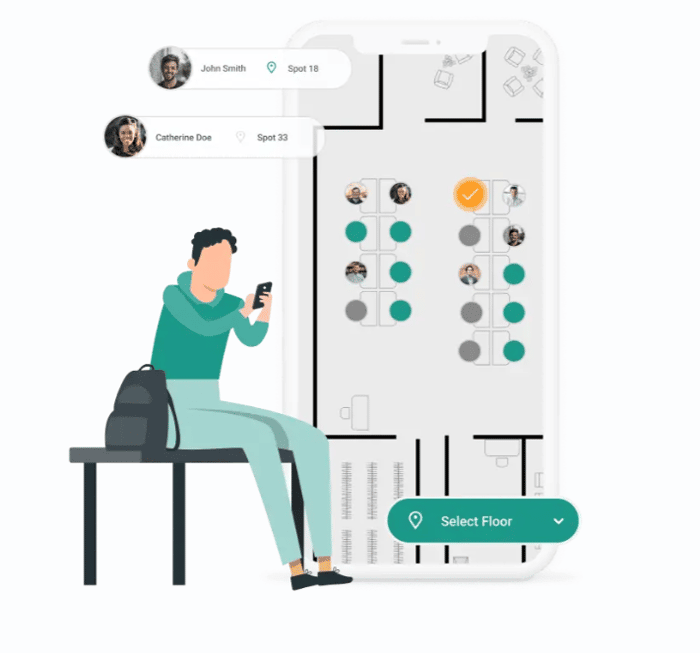
The way we work has changed more in the last five years than in the previous fifty. Hybrid schedules, remote-first teams, and global collaboration are rewriting the rules of office life. And at the center of this shift? Tools that enable businesses to adapt in real time—often grouped under the umbrella of workplace management software.
But here’s the thing: the future of work isn’t just about software. It’s about flexibility.
Why Flexibility Is the New Productivity
According to a 2024 Gallup study, 59% of employees now expect some form of hybrid work option, and 77% say flexibility directly impacts their productivity. Offices that once felt like rigid grids of desks are evolving into fluid environments with hot-desking, shared meeting spaces, and bookable quiet zones.
Businesses that adapt to this expectation not only attract top talent but also cut overhead costs by reducing unused space.
Tech as the Enabler of Flexible Work
To make flexibility work at scale, companies need systems that can:
Track desk and room usage in real time
Allow employees to reserve spaces instantly
Ensure compliance with safety and capacity regulations
Integrate with existing tools like calendars and collaboration platforms
This is where modern solutions like RONSPOT come in—offering seamless scheduling, space optimization, and insights that help leaders make smarter workplace decisions.
The Data-Driven Workplace of Tomorrow
A CBRE report predicts that by 2030, 50% of corporate real estate will be flexible space. That means offices won’t just be places to work—they’ll be strategic assets optimized through analytics. Imagine:
Identifying underused meeting rooms and repurposing them into high-demand creative spaces
Using data to match team collaboration days with optimal occupancy levels
Automating seat assignments based on department needs and employee preferences
Final Take
As workplace dynamics continue to shift, the winners will be the companies that blend technology with empathy—using workplace management software not just to control space, but to empower people.
The future of the office isn’t a fixed address—it’s an adaptable, data-driven ecosystem. And businesses that embrace this evolution will thrive in the flexible work era.

Local Python scripts have a structural advantage in the current market: they're immune to the SaaS subscription backlash. No recurring costs, no vendor risk, no data concerns.
The positioning challenge is that 'script' sounds less polished than 'platform.' Worth double down on the positioning: 'the tool you own, not the subscription you rent.'