The Future of Technology: How Innovation Is Transforming Our World
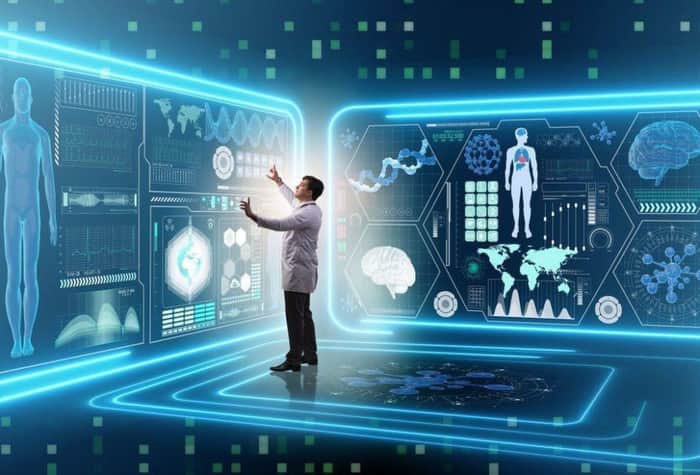
Technology has become an essential part of our daily lives. From smartphones and laptops to artificial intelligence and cloud computing, modern technology is changing the way we live, work, communicate, and do business. Every year, new innovations reshape industries, improve productivity, and create opportunities that were unimaginable just a decade ago. As we move further into the digital age, understanding the impact of technology is more important than ever.
The Rapid Growth of Technology
Over the last few decades, technology has evolved at an incredible pace. The internet revolutionized communication, making it possible for people across the globe to connect instantly. Smartphones placed powerful computers in our pockets, while high-speed internet made information accessible within seconds.
Today, businesses rely heavily on digital tools to manage operations, market their products, and serve customers. Cloud computing allows organizations to store data securely while accessing it from anywhere in the world. This flexibility has made remote work and global collaboration easier than ever before.
Artificial Intelligence: The Game Changer
Artificial Intelligence (AI) is one of the most influential technologies of the 21st century. AI enables computers to perform tasks that normally require human intelligence, such as learning, problem-solving, language understanding, and decision-making.
Businesses use AI-powered chatbots to provide customer support 24/7. Healthcare professionals use AI to assist in diagnosing diseases more accurately. Financial institutions use machine learning algorithms to detect fraud and analyze investment opportunities.
Generative AI has also transformed content creation by helping users write articles, create images, generate code, and automate repetitive tasks. As AI continues to improve, it will become an even bigger part of everyday life.
The Importance of Cybersecurity
As technology advances, cyber threats also continue to grow. Individuals and businesses store valuable information online, making cybersecurity more important than ever.
Hackers constantly search for vulnerabilities to steal personal data, financial information, and business secrets. Strong passwords, two-factor authentication, regular software updates, and encrypted communication help reduce cybersecurity risks.
Companies are investing billions of dollars in cybersecurity solutions to protect customer data and maintain trust. In the future, AI-powered security systems will play a major role in detecting and preventing cyberattacks before they occur.
Cloud Computing: The Backbone of Modern Business
Cloud computing has completely transformed how organizations manage data and software. Instead of relying on physical servers, businesses can use cloud platforms to store files, run applications, and collaborate remotely.
Cloud technology offers several benefits, including:
Lower operational costs
Better data security
Automatic backups
Easy scalability
Remote accessibility
Faster collaboration
Whether it's a small startup or a multinational corporation, cloud computing has become an essential component of modern business operations.
The Rise of the Internet of Things (IoT)
The Internet of Things (IoT) refers to physical devices connected to the internet that collect and exchange data. Smart homes, wearable fitness trackers, connected cars, and industrial sensors are all examples of IoT technology.
Smart devices help improve convenience, energy efficiency, and productivity. For example, smart thermostats automatically adjust room temperatures, while wearable devices monitor heart rate and physical activity.
Industries also use IoT sensors to monitor machinery, reduce downtime, and improve operational efficiency.
5G Technology and Faster Connectivity
The introduction of 5G networks has significantly improved internet speed and reliability. Compared to previous generations, 5G provides lower latency, faster downloads, and better connectivity for millions of devices simultaneously.
This technology supports innovations such as:
Smart cities
Autonomous vehicles
Remote healthcare
Online gaming
Virtual Reality (VR)
Augmented Reality (AR)
As 5G infrastructure expands worldwide, new digital experiences and business opportunities will continue to emerge.
Blockchain Beyond Cryptocurrency
Although blockchain is widely known for powering cryptocurrencies like Bitcoin, its applications extend far beyond digital currencies.
Blockchain creates secure and transparent digital records that cannot easily be altered. Industries including healthcare, finance, logistics, and supply chain management are exploring blockchain solutions to improve security and transparency.
Smart contracts, powered by blockchain technology, automate agreements without requiring intermediaries, reducing costs and increasing efficiency.
Technology in Education
Education has experienced a major digital transformation. Online learning platforms, virtual classrooms, educational apps, and AI-powered tutors have made quality education accessible to millions of students worldwide.
Students can now attend courses from leading universities without leaving their homes. Interactive learning tools improve engagement while personalized learning platforms adapt lessons according to individual progress.
Technology has made lifelong learning easier than ever before.
Technology in Healthcare
Healthcare is becoming smarter through technological innovation. Electronic health records, robotic surgery, telemedicine, wearable health devices, and AI-assisted diagnosis are improving patient care.
Doctors can now consult patients remotely through video appointments, reducing travel time and improving access to healthcare services.
Medical researchers also use advanced computing to analyze large datasets, accelerating the discovery of new medicines and treatment methods.
The Future of Robotics
Robotics continues to advance rapidly across multiple industries. Manufacturing companies use robots to improve production speed and quality. Warehouses rely on automated systems for inventory management, while hospitals use robotic assistants during surgeries.
Future robots will become more intelligent, collaborative, and capable of performing complex tasks alongside humans rather than replacing them entirely.
Green Technology and Sustainability
Technology also plays an important role in protecting the environment. Renewable energy solutions, electric vehicles, smart power grids, and energy-efficient devices help reduce carbon emissions.
Companies are investing heavily in sustainable technologies to address climate change while maintaining economic growth.
Green innovation will become increasingly important as governments and businesses work toward achieving global sustainability goals.
Career Opportunities in Technology
The technology industry offers countless career opportunities for professionals with digital skills. Some of the most in-demand careers include:
Software Developer
Data Scientist
Cybersecurity Analyst
Cloud Engineer
AI Engineer
Web Developer
Mobile App Developer
DevOps Engineer
UX/UI Designer
Digital Marketing Specialist
Continuous learning is essential because technology evolves rapidly. Professionals who regularly update their skills remain competitive in today's job market.
Challenges of Modern Technology
Despite its benefits, technology also presents several challenges:
Privacy concerns
Cybercrime
Digital addiction
Misinformation
Job displacement through automation
Ethical concerns surrounding AI
Governments, businesses, and technology companies must work together to develop responsible policies that ensure technology benefits society while minimizing potential risks.
Conclusion
Technology continues to shape every aspect of modern life. Artificial intelligence, cloud computing, blockchain, IoT, robotics, and 5G are driving innovation across industries and improving the quality of life for millions of people worldwide.
While technological advancements bring challenges, they also create incredible opportunities for economic growth, education, healthcare, and global connectivity. Individuals and businesses that embrace innovation, prioritize cybersecurity, and continuously develop new skills will be best positioned to succeed in the digital future.
