The Leading Causes Of False Alarms
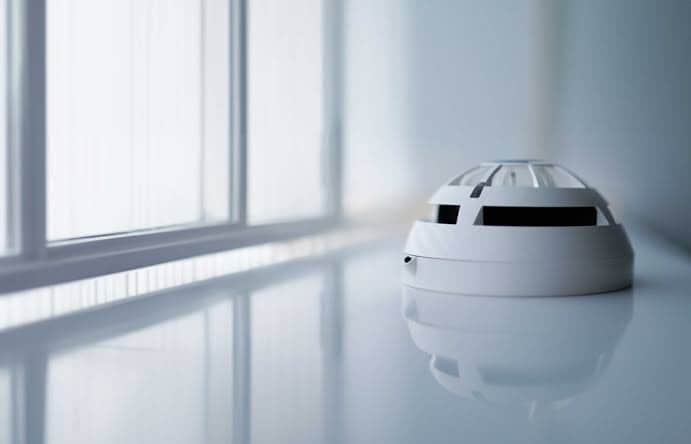
False alarms are usually described like a technology problem. A sensor was too sensitive. A keypad glitched. A motion detector reacted to the wrong thing. But that framing misses the bigger story. In most cases, the system is doing exactly what it was designed to do. It is noticing motion, an open door, a missed code entry, a low battery signal, or an unexpected change in the environment. The weak point is often the messy, distracted, very human routine surrounding it.
That is why the leading causes of false alarms are less about dramatic malfunctions and more about everyday habits. A rushed exit in the morning, a visiting relative who does not know the code, a back door that does not fully latch, or a pet that suddenly discovers a new favorite windowsill can all set events in motion. In a modern home, a well planned security cameras system can help people quickly verify what happened, but it still cannot replace consistent user behavior.
Industry groups focused on alarm management have long pointed to user behavior as the main driver. The Security Industry Alarm Coalition has noted that a relatively small share of users tends to generate the majority of false dispatch activity, which reinforces the idea that patterns, not just products, matter. That perspective is useful because it shifts the question from “What went wrong with the equipment?” to “What keeps happening in the way people use it?”
False alarms often begin before anyone leaves the house
One of the biggest causes of false alarms is the transition moment. People arm a system while carrying groceries, wrangling kids, talking on the phone, or thinking about the next appointment. In those moments, small errors multiply. A side door gets left cracked open. Someone arms the wrong mode. A family member heads back inside for a forgotten wallet without disarming first.
This is why false alarms often cluster around routine changes. Weekdays might be smooth because everybody knows the script. Holidays, houseguests, school breaks, and schedule disruptions create the perfect conditions for mistakes. The system has not become less reliable. The environment around it has become less predictable.
The fix is surprisingly simple, though not always easy: create a repeatable exit and entry routine. That means one person confirms doors and windows, another confirms the arming mode, and everyone who needs access knows how to disarm properly. Homes that treat the alarm like part of a checklist usually experience fewer avoidable activations.
Training matters more than most people expect
People often assume they can learn an alarm system on the fly. That confidence is one of the hidden causes of false alarms. If a babysitter, dog walker, cleaner, employee, or older child uses the system without clear instruction, mistakes become likely. Entering too slowly, using the wrong code, or opening the wrong access point can trigger an alarm even when there is no real danger.
This is not just common sense. Alarm management guidance from the Security Industry Alarm Coalition emphasizes practices like enhanced call verification, better user education, and focused attention on repeat false alarm locations because preventable user mistakes drive a large share of dispatches. In other words, the safest system is not just installed well. It is taught well.
Good training is specific. It includes how to arm stay mode versus away mode, how long the entry delay lasts, which doors are protected differently, what to do if the alarm sounds accidentally, and who to call first. A quick verbal explanation is rarely enough. Written instructions near the keypad or in a household note can make a big difference.
Environmental triggers are small until they are not
Another major source of false alarms is the environment inside the property. Motion sensors can react to unexpected movement patterns. Loose curtains may shift near an air vent. Balloons can drift across a room after a party. A hanging decoration may move when the air conditioning turns on. Pets, especially energetic ones, can create trouble if they gain access to spaces they do not usually enter.
Doors and windows also play a bigger role than many people realize. A frame that has shifted slightly with humidity or temperature changes may stop closing cleanly. A contact sensor that worked perfectly last month might start reporting trouble if the alignment changes just enough. These are not dramatic failures. They are normal wear, seasonal movement, and overlooked maintenance.
Wireless devices can introduce their own complications as well. The Federal Communications Commission regulates radio frequency devices partly because interference and device performance are real issues in consumer electronics, including security related equipment. While user error remains the main culprit, it is still wise to understand how radio frequency interference and connected devices can affect home systems in certain situations.
Low batteries and deferred maintenance create avoidable confusion
A false alarm does not always begin with one bad moment. Sometimes it starts weeks earlier with a low battery warning that nobody addresses. Sensors, key fobs, and backup components all rely on power and proper upkeep. When maintenance slips, signals can become inconsistent, trouble alerts can be misunderstood, and users may start bypassing zones without fully understanding the consequences.
This is where homeowners get trapped by familiarity. If a chirp or warning has happened before without obvious consequences, it is easy to ignore it. But alarm systems are not background appliances. They are active protective systems. Small maintenance issues can snowball into bigger usability problems, especially when somebody is already stressed or in a hurry.
A practical habit is to schedule simple system checkups several times a year. Test codes, inspect doors and windows, confirm sensor placement, and replace batteries as recommended. The goal is not technical perfection. It is reducing the number of surprises.
Verification changes the way people respond
One overlooked benefit of connected security tools is not only deterrence, but clarity. When an alert comes through and the homeowner can quickly review activity, they are in a much better position to determine whether they are dealing with a genuine emergency, an accidental entry, or an environmental trigger. That kind of fast context can reduce panic and improve decision making.
It also encourages better habits. When people can see that the same hallway motion sensor keeps activating after the dog slips past a gate, or that the mudroom door is regularly left ajar, they can correct the behavior instead of blaming the equipment. The alarm becomes feedback, not just noise.
Public safety organizations and industry groups have promoted methods such as enhanced call verification because confirming the nature of an alarm before dispatch can reduce unnecessary responses. The broader lesson for homeowners is similar: the more clearly you can verify what happened, the less likely you are to repeat the same preventable mistake.
The real problem is friction, not failure
If there is one common thread behind most false alarms, it is friction between daily life and security routines. People do not wake up intending to trigger an alarm. They are simply moving too fast, assuming too much, or adapting to a house that has quietly changed over time. The alarm catches the gap.
That is why the best way to reduce false alarms is not to think only in terms of stronger technology. It is to build smoother habits around the technology. Clear instructions. Refreshed training. Better maintenance. Fewer rushed transitions. Smarter placement. More visibility into what is happening at home.
The systems themselves are often more dependable than people give them credit for. According to false alarm reduction guidance from the Security Industry Alarm Coalition, the most effective improvements tend to focus on user behavior, verification, and repeat problem patterns. In plain terms, false alarms are usually not random. They are signals that a routine needs work. Once homeowners see them that way, prevention becomes much more realistic.

