The Power of Real-Time Data Warehousing
Introduction
In the era of information overload and rapidly evolving business dynamics, the quest for timely and actionable insights has become more pressing than ever. Enter the realm of real-time data warehousing - a technological leap that empowers organizations to harness the power of data as it's generated. Traditional data warehousing, while valuable, often involves delays in processing and updating information. Real-time data warehousing, on the other hand, offers a dynamic and immediate approach to data management. In this blog post, we delve into the concept of real-time data warehousing and explore its five benefits that are revolutionizing decision-making, customer experiences, and strategic planning in today's data-driven landscape.
Understanding Real-Time Data Warehousing
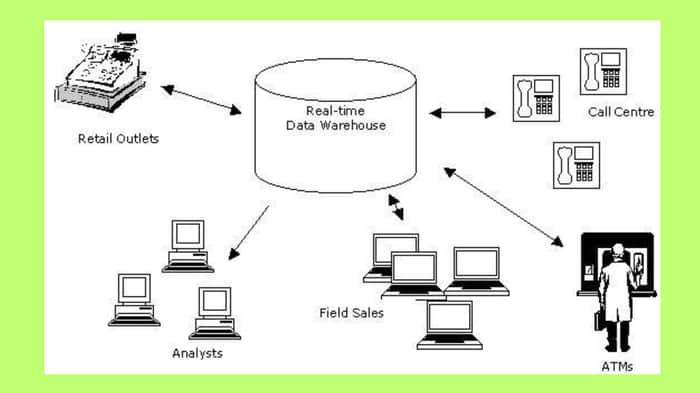
Real-time data warehousing is a modern approach to data management that involves collecting, processing, and delivering data to decision-makers as soon as it's generated. Unlike traditional data warehousing services, which often involves batch processing and periodic updates, real-time data warehousing offers a continuous stream of data updates, allowing for up-to-the-moment insights and responses.
Benefits of Real-Time Data Warehousing
Immediate Decision-Making: One of the most significant advantages of real-time data warehousing is its ability to facilitate immediate decision-making. Organizations can monitor key metrics, detect abnormalities, and respond swiftly to emerging trends. For instance, e-commerce companies can adjust pricing strategies based on real-time sales data, while supply chain managers can optimize inventory levels based on current demand patterns.
Enhanced Customer Experiences: Real-time data warehousing enables businesses to gain a deeper understanding of their customers' behaviors and preferences in real-time. This information can be harnessed to deliver personalized experiences, such as sending targeted offers or recommendations to customers as they interact with an online platform. This level of personalization can foster stronger customer loyalty and satisfaction.
Proactive Issue Resolution: With real-time data warehousing, organizations can identify and address issues as they arise, rather than after they've had a negative impact. For example, a utility company can detect power outages immediately and dispatch repair teams promptly, minimizing downtime for customers. This proactive approach helps maintain operational efficiency and customer trust.
Optimized Resource Allocation: Real-time insights allow businesses to allocate resources more effectively. For instance, a transportation company can reroute vehicles based on live traffic data, optimizing routes and reducing fuel consumption. This optimization not only saves costs but also contributes to environmental sustainability.
Competitive Advantage: In a rapidly evolving market, staying ahead of the competition is crucial. Real-time data warehousing empowers organizations to seize opportunities and mitigate risks faster than their competitors. By leveraging up-to-the-minute insights, businesses can adapt their strategies and offerings in response to market shifts, giving them a distinct edge.
Conclusion
Real-time data warehousing has emerged as a necessity for modern businesses aiming to thrive in a data-driven environment. The ability to access and analyze data as it's generated provides organizations with the agility, accuracy, and competitive advantage they need to make informed decisions. By facilitating immediate decision-making, enhancing customer experiences, enabling proactive issue resolution, optimizing resource allocation, and offering a competitive edge, real-time data warehousing has reshaped how businesses harness the power of their data. As technology continues to evolve, we can expect real-time data warehousing to play an even more integral role in shaping the future of data-driven decision-making.
