The product had one paying customer. Reddit killed it before I could find the second one.
His name was Artium.
He paid $29 for my React animations package.
That was February 2024.
I never found customer two because Reddit banned me every time I tried to tell people the product existed.
Four months later the product was dead. Artium was the only person who ever paid for it.
What one customer proves
Artium proved the product wasn't broken.
He found value. He paid. He used it.
The problem wasn't what I built. It was that I couldn't reach the next Artium.
Every time I posted on Reddit about it, banned. Tried different subreddits, banned. Different accounts, banned. Different approaches, banned.
Six accounts dead in 4 months.
Meanwhile my product slowly died because one customer isn't a business.
When I gave up on the product
After ban six I accepted it. The product was done.
But I couldn't let go of the question: why does Reddit keep killing me?
So I started tracking it instead of fighting it.
Built a spreadsheet. Every ban. Which subreddit. What I posted. How fast. Account age. Time of day.
Not to save the product. It was already dead. Just to understand what happened.
The patterns
After tracking for 2 months I saw it.
Small subreddits safer. Account age matters more than karma. Posting frequency triggers bans faster than content. Rest periods signal human behavior.
I tested it on account seven. Used my dad's email. Followed the patterns.
Survived.
Then I had a choice
Try to revive the dead product using what I learned.
Or build a tool for everyone else stuck where I was. One customer who proves it works. Can't find customer two because Reddit won't let them.
I built MediaFast
What it does:
Finds subreddits that won't instant-ban your product type
Shows posting frequency that survives per subreddit
Builds schedules with rest periods and irregular timing
Maps the patterns that kept account seven alive
Why I built it:
Because Artium deserved a product that survived.
Because there are more Artiams out there for every founder's product.
Because Reddit shouldn't be the reason a working product dies.
Where it's at:
Launched February 10, 2025.
$5,400/month now.
Every customer is someone who was stuck between their first customer and their second.
The lesson:
One customer proves your product works.
Reddit killing your distribution doesn't change that.
I lost my product after one sale. Built MediaFast so you don't lose yours.
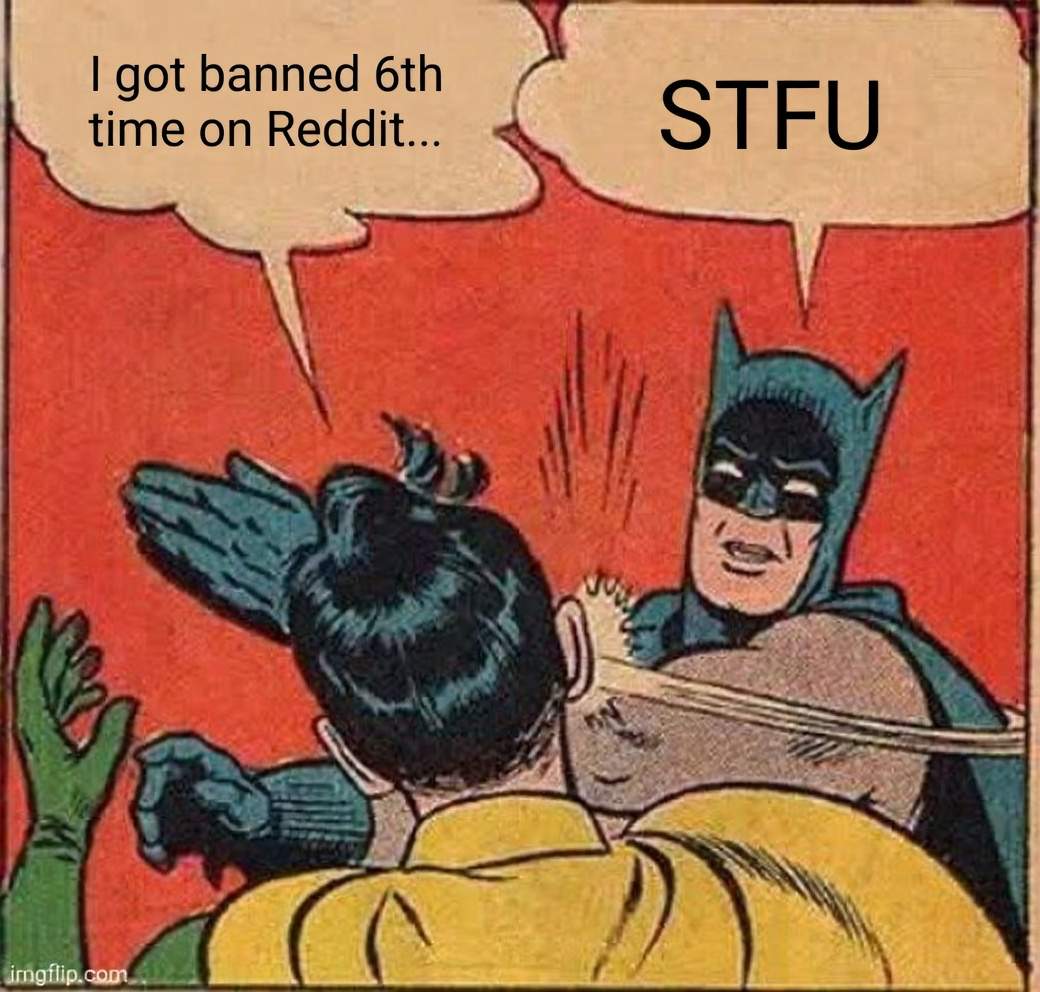


Turning your own bans into a spreadsheet and then a product is the right move. Curious how much of your $5,400 MRR came from posting about MediaFast on Reddit itself using your own playbook?
This is a powerful narrative, but the strongest version of it isn’t really about Reddit bans — it’s about a deeper founder trap: validation without distribution.
One customer (Artium) actually proves something important, but not just “the product works.” It proves there is demand signal. The real killer wasn’t product failure or Reddit bans alone — it was that your only distribution channel was fragile and externally controlled.
What you discovered through tracking isn’t just “posting rules,” it’s a broader pattern: online platforms don’t behave like neutral megaphones. They behave like risk-managed systems that throttle anything that looks like repeated outbound intent from new actors. That’s why “just post it” advice often breaks in practice.
Where MediaFast becomes interesting is if you frame it less as “avoid bans” and more as distribution survivability tooling. Because the real pain isn’t Reddit specifically — it’s founders repeatedly losing early momentum due to opaque platform friction before they can reach product-market validation.
That said, there’s a subtle risk in positioning everything around “bypass patterns.” Platforms change constantly, and optimization around today’s rules can decay fast. The more durable angle is turning your insights into behavioral guidance for trust-building on community platforms, not just tactical posting schedules.
The most compelling line in your story is actually this: you didn’t lose because the product failed — you lost because you couldn’t reach customer two. That’s the real founder cliff.
And that’s what makes this resonate: most people don’t fail at building products. They fail at surviving long enough to find the second believer.
The six-bans-six-accounts spreadsheet is the most honest growth post I've read on IH this month. Subreddit-size-over-karma and rest-periods-as-human-signal are both patterns a lot of founders hit but never bother to measure — useful that you did.
Genuine question on the landing: "Marketing on Reddit without getting suspended" leads with the defense. A prospect arriving here straight from your post is already thinking "I got banned too, help me post" — they're hunting for the survival spreadsheet you just described, not the "without suspension" framing. Have you tested an offense-led version? Curious whether you've A/B'd it, given your data discipline.
The line that matters: "One customer proves your product isn't broken. Reddit killing your distribution doesn't change that." Most founders would have concluded the product was the problem. You knew Artium was signal. The failure wasn't value — it was access. MediaFast isn't a marketing tool. It's a survival guide for distribution channels that don't want you there. The irony is that Reddit's hostility taught you more about distribution than a thousand successful posts ever would.
interested
Interesting way to pivot to something else. Good luck!
Hey — I read about your journey with MediaFast. It really speaks to the common struggle of getting past the first customer and building momentum.
I’ve worked with a few founders in similar spaces, helping them break past these barriers with strategies to reach the right audience at the right time.
If you’re open to it, I’d love to share a few tips that helped others with early distribution challenges.