The Ultimate Guide to Buying a House for Sale in Memphis: Tips for First-Time Homebuyers
Introduction
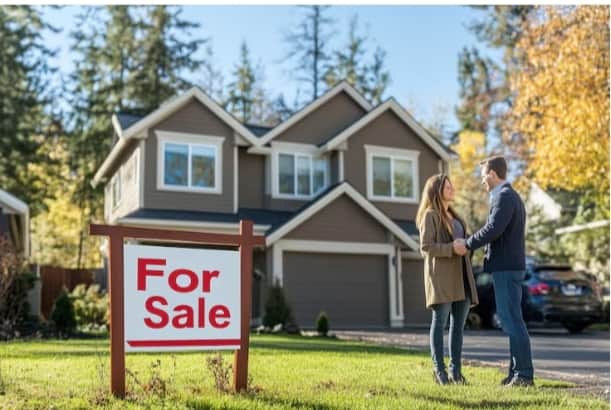
Purchasing your first home can feel overwhelming, but understanding the process makes it much more manageable. For those focused on buying a house for sale in memphis, knowing the local market, financing options, and property evaluation techniques is essential.
In this guide, first-time homebuyers will learn practical tips for finding the right property, navigating offers, and making decisions that maximize value. We’ll also highlight why smart buyers and renters should prioritize specific steps to ensure long-term success and potential real estate property owner profit increase in memphis.
Researching the Memphis Housing Market
Before making any offers, understanding the Memphis housing market is crucial. Local trends influence property prices, investment potential, and neighborhood desirability.
Analyzing Neighborhoods
Start by comparing neighborhoods based on safety, amenities, school districts, and transportation access. Smart buyers and renters should prioritize areas with steady growth and strong community resources to ensure both comfort and investment value.
Market Trends and Prices
Track median home prices, days on market, and price fluctuations. Websites, local reports, and real estate agents can provide insight into current trends. Understanding these patterns can guide your offer strategy and help avoid overpaying.
Future Development Plans
Investigate upcoming developments like new commercial centers, infrastructure improvements, or urban revitalization projects. Such changes can directly impact real estate property owner profit increase in memphis, making them a key consideration for first-time buyers.
Financing Your First Home
Securing the right financing is critical for first-time buyers. Proper planning ensures affordability and long-term financial stability.
Understanding Mortgage Options
Explore different mortgage types, including fixed-rate, adjustable-rate, and FHA loans. Evaluate interest rates, terms, and down payment requirements to determine what fits your budget.
Pre-Approval Process
Getting pre-approved strengthens your position when making an offer. Lenders review your credit score, income, and debt-to-income ratio, giving you a clear understanding of your borrowing capacity.
Budgeting for Additional Costs
Remember that buying a home involves more than just the purchase price. Account for property taxes, homeowners insurance, closing costs, and potential repairs. By budgeting carefully, you’ll protect your investment and reduce financial stress.
Home Inspection and Making an Offer
Once you identify potential homes, the next steps involve careful evaluation and negotiation.
Importance of a Home Inspection
A professional home inspection identifies hidden issues like structural damage, plumbing leaks, or electrical problems. Addressing these concerns upfront can prevent costly repairs later and ensure a smooth move-in experience.
Making a Competitive Offer
Work with your real estate agent to craft an offer that balances fair market value with negotiation leverage. Consider contingencies for financing, inspection results, and appraisal outcomes to protect yourself.
Negotiation Tips for First-Time Buyers
Be prepared for counteroffers and stay within your budget limits. Patience and flexibility can help you secure a property that meets both your needs and long-term financial goals.
Closing the Deal and Moving In
The final stage of buying a home includes legal procedures, document signing, and preparing for occupancy.
Understanding the Closing Process
Review all closing documents carefully, including the deed, loan papers, and disclosures. Ensure that all agreed-upon repairs or contingencies are completed before signing.
Preparing for Move-In
Plan your move strategically by scheduling movers, setting up utilities, and updating your address. Proper preparation ensures a smooth transition into your new home.
Long-Term Homeownership Tips
Maintain your property, monitor the local market, and stay informed about home value trends. Doing so can contribute to real estate property owner profit increase in memphis, making your first home a smart investment for the future.
Conclusion
Buying a home for the first time requires research, financial planning, and careful evaluation. By focusing on buying a house for sale in memphis, understanding neighborhood trends, securing financing, performing inspections, and negotiating wisely, first-time buyers can make informed decisions. Remember, smart buyers and renters should prioritize both comfort and investment potential to enjoy a home that meets personal needs while offering long-term financial benefits.

