TMNetch Advanced Metal Patterning for Automotive and Industrial Use
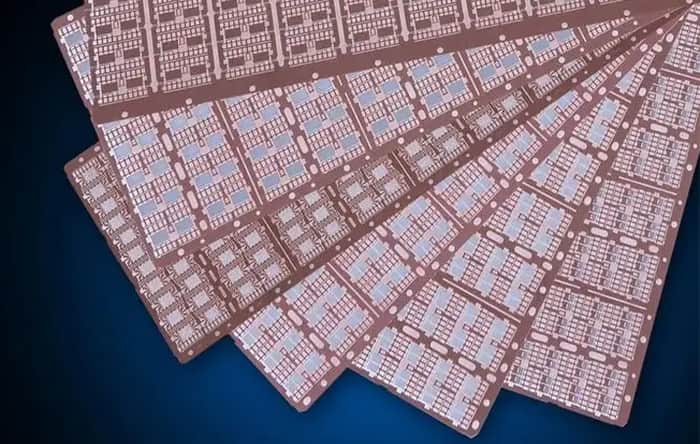
As automotive and industrial products move toward higher precision, lighter designs, and stronger visual style, metal patterning has become an important manufacturing capability. It supports both function and appearance. From airflow and shielding to decorative interior parts, advanced metal patterning affects performance, durability, and how a product looks.
This article explains why advanced metal patterning is important for automotive and industrial uses. It also explains how new requirements are changing design needs and how TMNetch’s photochemical etching services provide both technical and business benefits.
The Growing Importance of Metal Patterning in Automotive and Industrial Design
Metal patterning is no longer limited to simple holes or basic meshes. Today, it serves many functions in different systems.
Functional and Aesthetic Roles Combined
In automotive and industrial products, patterned metal parts often need to serve more than one purpose, such as:
-
Airflow and heat control
-
Sound control and sound flow
-
Electromagnetic shielding
-
Visual design and branding
Because of this, manufacturers must balance performance needs with design goals. Traditional fabrication methods often have trouble meeting both at the same time.
Rising Expectations for Precision and Consistency
Both industries now need:
-
Smaller and more complex patterns
-
Thinner metal parts without bending
-
Stable results across large production volumes
These needs push metal patterning beyond traditional stamping or punching methods.
Key Automotive Applications of Advanced Metal Patterning
In the automotive industry, metal patterning affects both function and interior quality.
Interior Components and Acoustic Systems
Patterned metal parts are commonly used in:
-
Dashboard and door trim elements
-
Ventilation covers
In these areas, even patterns and smooth surfaces are important for a clean and high-end interior look.
Thermal and Electronic Protection
Modern vehicles, especially electric vehicles, depend on patterned metal parts for:
-
Heat control
-
EMI and RF shielding
-
Sensor protection
Accurate patterning supports stable performance while allowing compact system design.
Industrial Use Cases for Precision Metal Patterning
Industrial products have different needs, but the requirements are just as strict.
Filtration, Ventilation, and Flow Control
In industrial equipment, patterned metal parts are often used for:
-
Air and liquid filtration
-
Protective screens
-
Controlled airflow systems
Here, accurate hole size and spacing directly affect efficiency and service life.
Durability and Long-Term Stability
Industrial uses require metal patterns that keep:
-
Strength under stress
-
Stable dimensions over time
-
Reliable performance in harsh conditions
Because of this, a stable process is as important as high precision.
TMNetch Photochemical Etching Service and Its Technical Advantages
TMNetch offers advanced metal patterning through photochemical etching. This process works well for both automotive and industrial needs.
What Is Photochemical Etching?
Photochemical etching removes metal using controlled chemical reactions and photo-based patterns. Because it does not use physical force, it avoids many limits of mechanical processing.
Technical Benefits of TMNetch Photochemical Etching
TMNetch’s photochemical etching offers several key benefits:
-
No mechanical stress, which prevents bending of thin metal
-
Smooth edges, so no extra finishing is needed
-
High pattern detail, which allows complex designs
-
Stable repeatability, which supports mass production
-
Flexible tooling, which allows quick design changes at low cost
Because of these benefits, photochemical etching works well for parts that need both high performance and strong visual quality.
Material Flexibility
TMNetch supports many metals used in automotive and industrial products, including:
-
Stainless steel
-
Aluminum
-
Copper and copper alloys
-
Nickel-based materials
This allows engineers to choose the best material without losing pattern accuracy.
From Design Idea to Scalable Production
One major advantage of photochemical etching is that it scales well from early design to full production.
Faster Prototyping and Design Changes
Since pattern changes are made digitally instead of with hard tools, manufacturers can:
-
Build prototypes quickly
-
Make late design changes
-
Shorten development time
This is especially useful for automotive projects with tight schedules.
Consistent Quality at High Volume
Unlike mechanical tools that wear out, photochemical etching keeps the same accuracy over time. This ensures:
-
Stable part size
-
Uniform appearance
-
Predictable fit during assembly
This level of consistency is critical for both automotive suppliers and industrial manufacturers.
Why Advanced Metal Patterning Creates a Competitive Edge
As products become smaller, more efficient, and more design-focused, advanced metal patterning becomes essential. It allows manufacturers to:
-
Combine multiple functions into one part
-
Reduce the number of components
-
Improve both function and appearance
For automotive and industrial brands, this leads to higher product value and stronger market position.
Conclusion: Precision Patterning for Demanding Uses
Advanced metal patterning plays a key role in modern automotive and industrial products. It supports performance, durability, and design consistency. Traditional methods often cannot handle complex patterns, thin materials, and large production volumes.
Through photochemical etching, TMNetch provides precision, flexibility, and scalability. By delivering accurate, smooth, and repeatable metal patterns, TMNetch helps manufacturers turn complex designs into reliable, production-ready parts that perform well in real-world use.
