#Top IPTV Services in 2026 [cdw2]
Looking for the best IPTV services in 2026? Compare top-rated, legally licensed live TV streaming options, features, pricing, and tips to pick the right one for you.
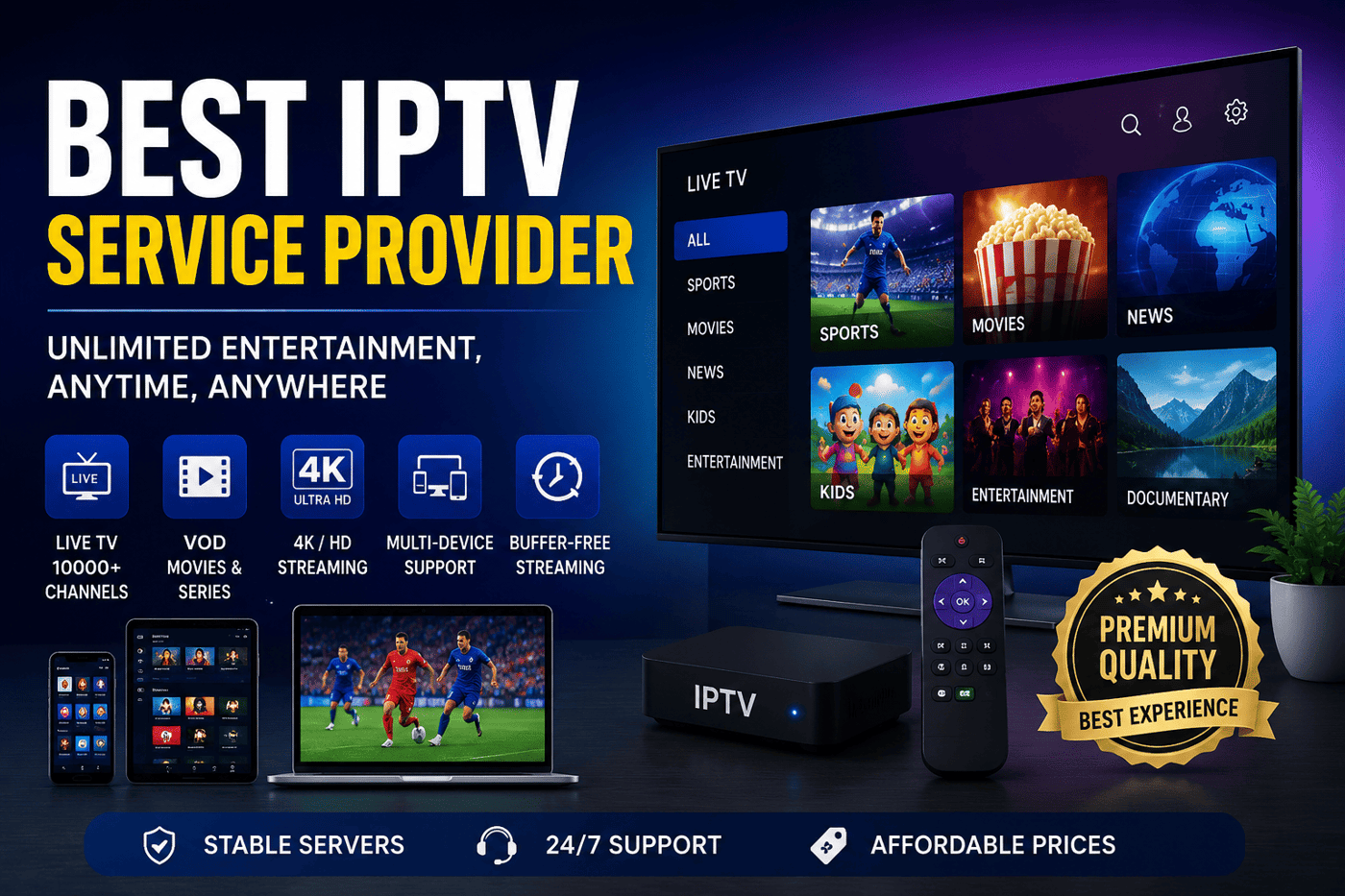
Cutting the cord doesn't mean giving up your favorite channels. It just means finding a smarter way to watch them. That's where IPTV comes in.
IPTV stands for Internet Protocol Television. Instead of using cables or satellite dishes, it delivers live TV channels and on-demand shows straight through your internet connection. You just need a smart TV, streaming device, phone, or laptop.
This guide walks you through everything you need to know about choosing among the top IPTV services available today. We'll cover how they work, what makes a good one, and which licensed streaming platforms are worth your money in 2026.
A quick note before we dive in: there are a lot of unofficial "IPTV" sellers online promising hundreds of channels for a few dollars a month. Many of these operate without proper licensing agreements with content owners, which puts your money, your data, and sometimes your legal standing at risk. This guide focuses only on legitimate, licensed live TV streaming services, because a good deal isn't worth much if the service can vanish overnight or expose your payment details.
What Is IPTV and How Does It Actually Work?
IPTV sends television signals as data packets over the internet rather than through traditional broadcast methods. When you press play, your device requests the stream from a server, and that server sends the video in small chunks that load continuously.
This is why a strong, stable internet connection matters so much. A shaky connection means buffering, pixelated video, or channels that freeze at the worst moment.
Here's a simple breakdown of what happens behind the scenes:
The IPTV service provider licenses content from broadcasters and networks.
Their servers encode and compress the video into a streamable format.
Your device connects to these servers through an app or browser.
The video streams to your screen in real time or on demand.
That last step is where the experience can differ a lot between providers. Some invest heavily in server capacity and content deals. Others cut corners, and you feel it every time a channel buffers during a big game.
Why Licensed IPTV Services Matter More Than Ever
A few years ago, plenty of viewers didn't think twice about where their streams came from. That's changed. Streaming platforms have gotten better, cheaper, and easier to use, so there's less reason to gamble on shady services.
Licensed providers pay content creators and broadcasters for the right to distribute their channels. That money supports the shows and sports you actually want to keep watching. Unlicensed services skip that step, which is why they can offer such low prices in the first place.
There's also a practical side to this. Legitimate platforms:
Keep your payment information secure
Offer real customer support when something breaks
Provide consistent, tested streaming quality
Won't disappear without warning, taking your subscription money with them
Once you've been burned by a service that shuts down mid-season of your favorite show, you learn to value stability.
What to Look for in a Good IPTV Service Provider
Not all streaming platforms are built the same. Before signing up, run through this checklist.
Channel Lineup
Check whether the service covers the channels you actually watch. Sports fans need ESPN or regional sports networks. News watchers want CNN, Fox News, or MSNBC. Families often care about kid-friendly content and local channels.
Streaming Quality
Look for support for HD and 4K where available, along with adaptive streaming that adjusts to your internet speed instead of just freezing.
Number of Screens
Some households need multiple people to watch different things at once. Check how many simultaneous streams your plan allows.
DVR Storage
Cloud DVR lets you record shows and watch them later. Compare storage limits and how long recordings stay saved.
Price and Contracts
Monthly pricing, free trials, and cancellation policies vary widely. A service with no long-term contract gives you more flexibility if your needs change.
Device Compatibility
Make sure the app works on what you already own, whether that's a Roku, Fire TV Stick, Apple TV, smart TV, or gaming console.
Best IPTV Services Worth Considering in 2026
YouTube TV
YouTube TV pairs a large channel lineup with an easy-to-use interface. Unlimited cloud DVR storage is a real advantage for households that record a lot of shows and sports.
Hulu + Live TV
This one appeals to people who already like Hulu's on-demand library. Bundling live channels with that catalog means less app-switching during a normal evening of watching TV.
Fubo
Fubo built its reputation on sports coverage. If your household schedule revolves around game days, the channel selection here tends to stand out.
Sling TV
Sling keeps things affordable by letting you pick smaller channel bundles instead of paying for everything at once. It's a solid entry point if you're testing whether live TV streaming fits your habits.
DIRECTV Stream
For viewers who want something closer to a traditional cable experience, DIRECTV Stream offers larger channel packages and generous multi-screen support.
How to Choose the Right Service for Your Household
There's no single "best" answer here. The right pick depends on your habits.
Sports lovers should prioritize regional sports network coverage and check blackout policies.
Families with kids benefit from parental controls and children's programming.
Casual viewers may do fine with a smaller, cheaper bundle instead of a full channel lineup.
Cord-cutters replacing cable entirely should compare total monthly cost against their old cable bill, including any add-on fees.
A smart approach is to list the five channels you can't live without, then check each provider's lineup against that list before comparing price.
Common IPTV Myths, Cleared Up
"More channels always means better value." Not really. A 500-channel package is only valuable if you'd actually watch more than a handful of them. Most households use fewer than 15 channels regularly.
"All streaming services buffer the same amount." Buffering depends on your internet speed, the provider's server infrastructure, and your device. A well-built app on strong servers will noticeably outperform a poorly optimized one, even on the same connection.
"Cheaper IPTV service providers offer the same content as major platforms." Extremely low prices are often a sign that a provider isn't paying for proper content licensing. That instability tends to catch up with subscribers eventually, sometimes through sudden shutdowns.
What's Next for IPTV in 2026 and Beyond
Live TV streaming keeps evolving. A few trends worth watching:
Better personalization. Expect smarter recommendations based on what you actually watch, not just genre tags.
Improved compression technology. This means higher video quality without needing faster internet speeds.
More flexible bundling. Providers are experimenting with smaller, sport-specific or genre-specific packages instead of one-size-fits-all plans.
Tighter integration with smart TVs. Fewer separate apps, more built-in access right from the home screen.
The overall direction is clear: live streaming is becoming more tailored to individual households instead of copying the old cable model.
Is It Worth Switching to IPTV in 2026?
For most households, yes. The combination of lower monthly costs, flexible contracts, and solid channel selection makes a strong case compared to traditional cable.
That said, it's worth being honest about trade-offs. Internet-dependent streaming means your experience is only as reliable as your Wi-Fi. If you live somewhere with spotty broadband, that's worth testing before committing to a full switch.
For everyone else, a licensed IPTV service usually pays for itself in savings within the first few months, especially if you drop a traditional cable package that came bundled with equipment rental fees.
Setting Up Your IPTV Service the Right Way
Getting started is usually simpler than people expect. Here's a general process that applies to most licensed platforms.
Check your internet speed first. Run a quick speed test so you know what you're working with before you subscribe.
Pick a plan that matches your household. Don't overpay for streams or DVR hours you won't use.
Download the app on your primary device. Most services support smart TVs, Roku, Fire TV, Apple TV, and mobile devices.
Create your account and start the free trial if one's offered. This is your chance to test channel quality before committing.
Set up your DVR and favorites. Spending five minutes organizing your channel guide makes daily use much smoother.
Add household members if the plan allows shared profiles. This keeps recommendations and watchlists separate for each person.
Most people are up and running within fifteen minutes. If a provider requires far more setup than that, it's a sign the service might not be built with everyday users in mind.
Signs You Picked the Wrong IPTV Provider
Even with careful research, sometimes a service doesn't work out. Watch for these warning signs early on:
Constant buffering, even with a strong internet connection
Customer support that takes days to respond or doesn't respond at all
Channels that frequently go missing without explanation
Pricing that jumps sharply after an initial promotional period
No clear cancellation process, or hidden fees when you try to leave
If you notice two or more of these within the first month, it's usually worth switching rather than hoping things improve. Most licensed providers offer trial periods specifically so you can catch these issues before paying full price.
Tips for Getting the Most Out of Your Subscription
A few small habits can make a real difference in your day-to-day experience:
Restart your router occasionally. A lot of buffering complaints trace back to router issues rather than the streaming service itself.
Use a wired connection when possible. Ethernet tends to be more stable than Wi-Fi, especially for 4K content.
Review your plan every six months. Providers frequently update pricing and channel bundles, so what made sense at signup might not be the best deal a year later.
Take advantage of parental controls. If kids share the household account, setting content restrictions early avoids surprises later.
Keep the app updated. Skipping updates can mean missing bug fixes that directly affect streaming quality.
None of these tips require technical expertise. They're just habits that add up over time to a smoother viewing experience.
Frequently Asked Questions
1. What does IPTV mean? IPTV stands for Internet Protocol Television. It delivers TV channels and shows over the internet instead of through cable or satellite.
2. Is IPTV legal? Yes, when it comes from a properly licensed provider. Unlicensed services that redistribute channels without paying for content rights operate outside the law in most regions.
3. Do I need special equipment for IPTV? Usually not. Most services work through an app on smart TVs, streaming devices, phones, tablets, or computers.
4. How much internet speed do I need for IPTV? A stable connection of at least 15-25 Mbps is generally recommended for smooth HD streaming, with more needed for 4K or multiple simultaneous streams.
5. Can I record shows with IPTV services? Many top-rated platforms include cloud DVR features, though storage limits and retention periods vary by provider and plan.
6. What happens during an iptv update on these platforms? Providers regularly push app updates to fix bugs, add channels, or improve streaming stability. These usually install automatically and rarely require action from you.
7. Can I watch IPTV on multiple devices at once? It depends on your plan. Some services allow just one stream at a time, while others support ten or more simultaneous streams.
8. Are there free trials available? Most major providers offer a free trial period, typically ranging from a few days to a week, so you can test the service before paying.
9. What's the difference between IPTV and traditional streaming apps like Netflix? IPTV focuses on live, linear channels similar to cable, while apps like Netflix are primarily on-demand libraries without live broadcasts.
10. How do I cancel an IPTV subscription? Most licensed services let you cancel directly through your account settings or the provider's website, without long-term contracts or cancellation fees.
🚀 Ready to Enjoy Premium IPTV?
Final Thoughts
Picking from the many IPTV options out there doesn't have to be overwhelming. Start with what matters most to your household: the channels you watch, your budget, and how many people need to stream at once.
Stick with licensed, established platforms, and you'll get a reliable, high-quality live TV experience without the risks that come with unofficial services. Compare a couple of the options above, take advantage of free trials, and you'll likely land on a service that fits your viewing habits within a week or two.
Ready to make the switch? Check current pricing and channel lineups directly on each provider's website, since promotions and packages change frequently throughout the year.

