Traditional Dresses for Women: Embracing Heritage with Grace and Style
Traditional dresses for women stand as enduring symbols of cultural identity and artistic heritage. These garments weave together centuries of craftsmanship, regional influences, and symbolic meaning, creating timeless pieces that celebrate both history and elegance. Their lasting charm lies in their ability to honor tradition while offering expressive beauty and individuality.
The Cultural Significance of Traditional Dresses
At the heart of every traditional dress is a rich cultural narrative. Often reserved for ceremonies, festivals, and important life events, these dresses serve as visual stories that honor ancestry and community values. Each pattern, color, and embellishment carries specific significance, reflecting customs, beliefs, and social statuses unique to each culture.
A Rich Diversity of Styles
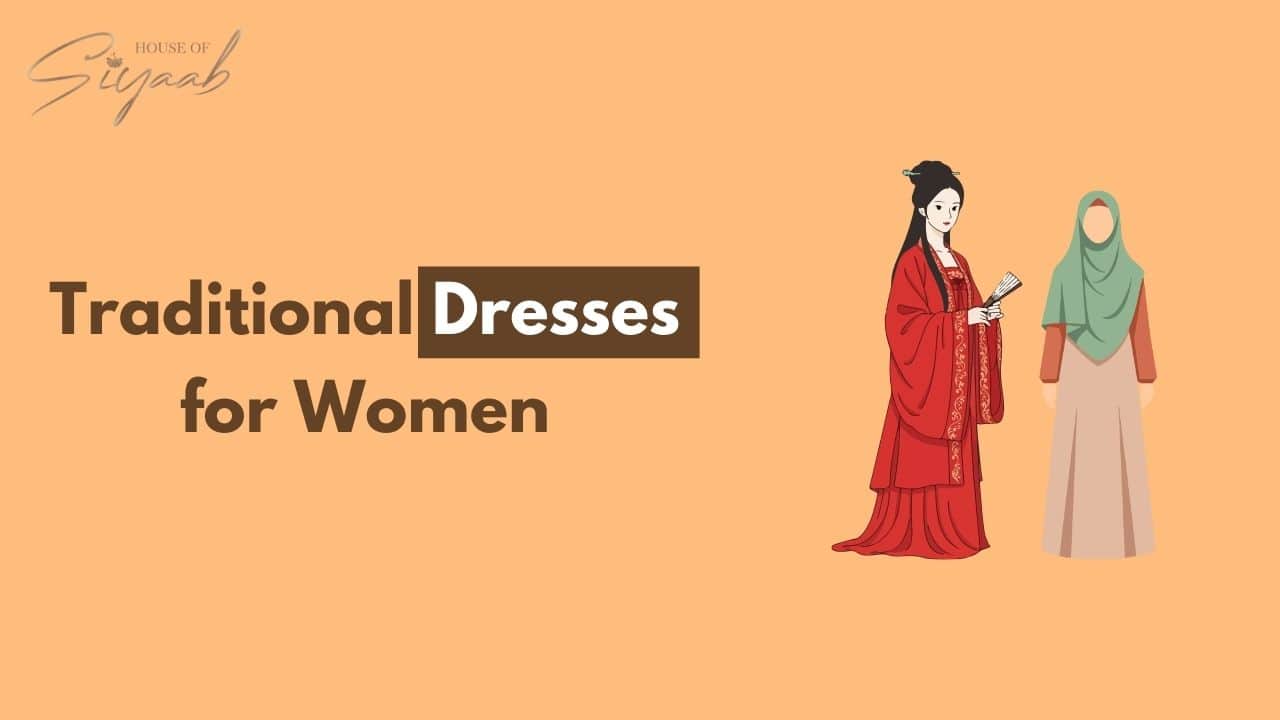
Traditional dresses vary widely around the world, reflecting the diversity of cultures and climates. South Asian attire like the saree and lehenga captivates with flowing fabrics and detailed embroidery. East Asian dresses such as the kimono and hanbok highlight graceful lines and delicate artistry. African traditional wear showcases vibrant prints and bold textures, while Middle Eastern garments emphasize modesty blended with intricate beadwork. European folk costumes, with their classic cuts and regional motifs, provide another unique glimpse into cultural expression.
Modern Adaptations and Trends
Contemporary fashion embraces traditional dresses by blending classic designs with modern materials and silhouettes. Designers reinterpret these garments to make them more accessible and wearable for everyday life, without losing their cultural essence. This evolution allows tradition to thrive alongside modernity, giving women the freedom to express their heritage in versatile ways.
The Artistry of Fabrics and Embellishments
Fabric choice is central to the character of traditional dresses. Luxurious silks, breathable cottons, and delicate chiffons serve as canvases for hand embroidery, beadwork, and weaving techniques. These artisanal details preserve age-old skills and add depth and texture, turning each dress into a unique masterpiece.
Accessories That Enhance Tradition
Completing the look, accessories such as traditional jewelry, embroidered shawls, and handcrafted footwear enhance the beauty and meaning of the dress. These accents add layers of cultural symbolism and personal style, enriching the overall ensemble.
Everyday Wear and Special Occasions
While some traditional dresses are designed for special celebrations, many cultures incorporate simpler versions suitable for daily wear. Comfortable fabrics and practical designs enable women to maintain a connection to their roots with ease. For weddings, festivals, and important events, more ornate and richly decorated dresses take center stage, embodying grace and cultural pride.
Conclusion: The Lasting Legacy of Traditional Dresses for Women
Traditional dresses for women continue to be powerful expressions of culture, identity, and artistry. Their timeless appeal lies in their ability to honor heritage while adapting to contemporary tastes. Whether worn casually or during grand ceremonies, these dresses celebrate the beauty of tradition with elegance and heartfelt significance, connecting women to their past and inspiring future generations.

