Traffic Monitoring Systems Guide 2026: How They Work and the Latest Innovations in This Space
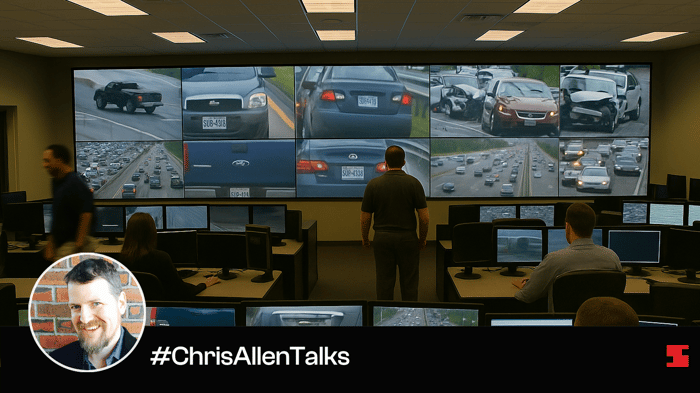
In this blog, based on my recent LinkedIn post, you’ll learn everything about traffic monitoring systems: what they are, how they work, and who uses them. You’ll also get real technological insights into how these software solutions function in 2026 and the latest innovations making secure real-time traffic monitoring possible.
What Are Traffic Monitoring Systems?
Traffic monitoring systems are government technology software solutions designed to analyze and manage vehicle flow on roads. They rely on streaming data from thousands of cameras, sensors, and connected devices to give authorities immediate insights into road traffic conditions. These systems help reduce congestion, increase road safety, and improve decision-making by transforming raw video and sensor feeds into actionable intelligence. Read this traffic monitoring technology guide from the Federal Highway Administration of U.S. Department of Transportation. It covers theory, terminology, methods, equipment, etc.
Traffic monitoring systems are used for
- Tracking traffic flow to detect or prevent congestion early.
- Enforcing road safety rules, such as catching speeding or overweight vehicles.
- Supporting emergency response through real-time alerts to police or first responders.
- Assisting in planning road maintenance and infrastructure improvements.
- Gathering long-term data for urban development and smart city projects.
These video surveillance solutions are typically located
- At major intersections and traffic lights.
- Before and inside infrastructure like bridges and tunnels.
- At truck and commercial vehicle inspection centers.
- Along highways, rest stops, underpasses, and on-ramps.
- In smart city projects where connected devices are integrated into urban planning.
Road traffic flow monitoring systems are mostly used by
- Departments of Transportation (DoT).
- Law enforcement and highway patrol agencies.
- Emergency response teams and public safety organizations.
- City planners and smart city authorities.
To learn about real-world examples of how IoT monitors vehicle traffic, read this blog by Digi.
How Do Traffic Monitoring Systems Work?
Traffic monitoring systems collect real-time data from cameras, sensors, and connected devices installed along roads, highways, and intersections. This data is streamed into central platforms where it is processed and analyzed. Video analytics, drones, AI, and pattern recognition help identify incidents such as accidents, congestion, or rule violations. The system then alerts relevant authorities or automatically triggers responses like adjusting traffic signals, dispatching emergency teams, or updating electronic road signs.
The State of Traffic Monitoring Systems in 2026
Most traffic monitoring systems in the U.S. are stuck in the past. We’re talking legacy cameras, buggy software, and fragile setups that crash if you breathe on them wrong. Departments of Transportation across the U.S. rely on private data centers and custom-built systems that make it nearly impossible to share streams, even within the same state.
We’ve seen it firsthand. Some are still using RTMPT or misconfigured SDPs. Others keep streams on 24/7 just to avoid crashing media servers like Wowza Streaming Engine. It’s wild.
2026 Technology Trends in Traffic Monitoring Systems
But there’s good news. We’re working with partners helping modernize live streaming in public infrastructure.
Secured Real-Time Road Traffic Monitoring
With Nomad, we upgraded Caltrans’ traffic monitoring system. During the first stage it was deployed on-prem, now it’s leveraging AWS to share streams beyond their closed network via AWS direct connect. Video from thousands of cameras across all 12 districts can now be streamed through this custom real-time traffic monitoring solution using Red5 Pro, giving Caltrans and third party organizations like law enforcement instant access. Nomad adds secure login and access to live and recorded video, with three days of footage available. AI features like redaction and incident detection improve response time and privacy. Agencies are able to share clips on demand, all while keeping their existing on-prem systems intact. One of the biggest wins? Agencies can now share footage directly with detectives as on-demand content to support investigations and solve crimes quickly.
Deployment diagram of the real-time traffic monitoring system built by Red5 and Nomad Media.
Cost-Effective Us Traffic Monitoring Capabilities
Lumen’s new edge infrastructure is also opening up cost-effective, high performance options with no bandwidth charges. By partnering with Red5 we are now able to launch Red5 instances on Lumen hardware providing incredibly performant low-latency connectivity throughout the US getting the streams to users within 100ms. Better yet deployments of this type are incredibly cost effective, comparable to running your own data centers, but with a fully managed platform.
Conclusion
Real-time traffic monitoring systems are no longer a nice-to-have. It’s a necessity for public safety and efficient traffic management. While many legacy setups still struggle with outdated cameras and fragile infrastructure, 2026 innovations are changing the game. With secure real-time streaming, AI-driven analytics, and cost-effective hardware-solution solutions, agencies can detect incidents faster, share data across organizations, and keep costs within the budget. The bottom line: modern traffic monitoring is moving from reactive systems to proactive, intelligent solutions.
