Transforming Living Spaces with AI: The Future of Smart Home Design
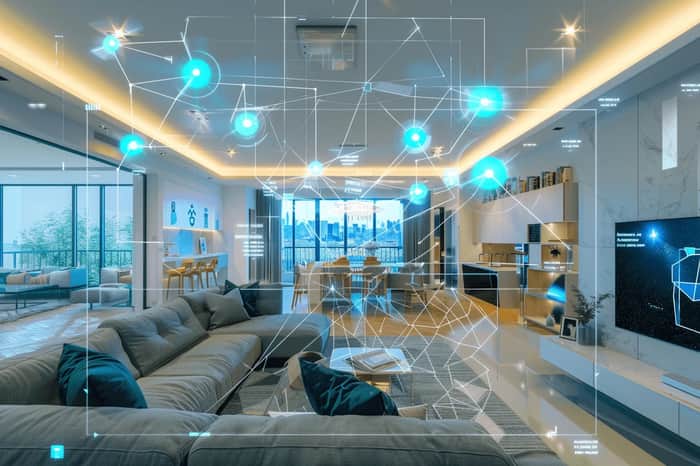
The way we design and experience our homes is evolving at an unprecedented pace. Artificial intelligence (AI) is no longer a futuristic concept reserved for tech enthusiasts—it has become a practical and transformative tool in modern home design. From interior layouts to outdoor aesthetics, AI is reshaping how homeowners, architects, and designers bring their visions to life. Whether you're renovating a single room or planning an entire house, integrating Ai home design and ai exterior design solutions can streamline the process, enhance creativity, and deliver stunning results.
The Rise of AI in Home Design
Traditionally, home design required a combination of professional expertise, time-consuming planning, and often costly revisions. Designers relied heavily on manual sketches, 3D modeling software, and client feedback loops. While effective, this approach could be slow and sometimes limiting in terms of experimentation.
AI has revolutionized this process by introducing intelligent tools that can analyze preferences, generate layouts, and even predict design outcomes. With the help of machine learning algorithms, AI systems can process vast amounts of design data, including architectural trends, color palettes, spatial arrangements, and user preferences. This enables faster, smarter, and more personalized design decisions.
What is AI Home Design?
Ai home design refers to the use of artificial intelligence tools and platforms to assist in planning, visualizing, and optimizing interior spaces. These tools can generate floor plans, recommend furniture placement, suggest color schemes, and even simulate lighting conditions based on the time of day.
One of the most significant advantages of AI-driven design is personalization. By inputting your preferences—such as style (modern, minimalist, traditional), color choices, and functional needs—AI can create tailored designs that align with your vision. Some platforms even allow users to upload photos of their current space, which the AI then transforms into redesigned versions with different themes and layouts.
Additionally, AI tools often include virtual reality (VR) or augmented reality (AR) integrations, allowing users to "walk through" their redesigned space before making any physical changes. This immersive experience reduces uncertainty and helps homeowners make more confident decisions.
Benefits of AI in Interior Design
1. Time Efficiency
AI dramatically reduces the time required to create and refine design concepts. What once took days or weeks can now be accomplished in minutes.
2. Cost Savings
By minimizing trial-and-error and reducing the need for multiple revisions, AI helps cut down on design costs. It also allows users to experiment with different options without committing financially.
3. Enhanced Creativity
AI doesn't replace human creativity—it enhances it. Designers can use AI-generated ideas as inspiration, exploring combinations they might not have considered otherwise.
4. Data-Driven Decisions
AI tools analyze design trends and user data to suggest options that are both aesthetically pleasing and functional. This ensures that designs are not only beautiful but also practical.
Expanding Beyond Interiors: AI Exterior Design
While interior spaces often get the most attention, the exterior of a home plays an equally important role in defining its character and value. This is where ai exterior design comes into play.
AI-powered exterior design tools allow users to visualize changes to their home's façade, landscaping, roofing, and overall curb appeal. By uploading a photo of your home, these tools can generate multiple design variations, incorporating different materials, colors, and architectural styles.
For example, you can experiment with different siding options, window styles, or landscaping features such as gardens, pathways, and lighting. AI can also simulate how your home will look during different seasons or times of day, giving you a comprehensive view of the final result.
Advantages of AI Exterior Design
1. Improved Curb Appeal
AI helps homeowners create visually appealing exteriors that enhance property value and leave a lasting impression.
2. Better Planning
With realistic visualizations, you can plan renovations more effectively and avoid costly mistakes.
3. Sustainable Choices
Many AI tools incorporate sustainability features, suggesting eco-friendly materials and energy-efficient designs.
4. Accessibility
You don’t need to be a professional designer to use these tools. AI makes high-quality design accessible to everyone.
Integration with Smart Home Technology
AI home design doesn’t exist in isolation—it often integrates seamlessly with smart home technology. From automated lighting systems to climate control and security, AI can design spaces that are not only beautiful but also intelligent.
For instance, AI can recommend optimal placement for smart devices to maximize efficiency and convenience. It can also simulate how natural light interacts with your space, helping you position windows and lighting fixtures strategically.
Real-World Applications
Homeowners, real estate agents, and architects are increasingly adopting AI design tools for various purposes:
_ Home Renovations: Visualize changes before committing to construction.
_ Real Estate Marketing: Showcase potential property transformations to attract buyers.
_ New Construction: Plan layouts and aesthetics from the ground up.
_ Interior Styling: Experiment with furniture and décor without physical effort.
Challenges and Considerations
While AI offers numerous benefits, it’s important to be aware of its limitations. AI-generated designs are based on existing data, which means they may lack the emotional nuance and originality of human designers. Additionally, not all AI tools are equally accurate, so choosing a reliable platform is crucial.
Privacy is another consideration. Some tools require uploading images of your home, so it’s important to ensure that your data is handled securely.
The Future of AI in Home Design
The future of AI in home design is incredibly promising. As technology continues to advance, we can expect even more sophisticated tools capable of understanding human emotions, preferences, and lifestyles on a deeper level.
Future developments may include:
_ Real-time design adjustments based on user feedback
_ Fully automated home planning systems
_ Integration with construction technologies like 3D printing
_ AI-driven sustainability optimization
These innovations will further blur the line between imagination and reality, making it easier than ever to create spaces that truly reflect individual tastes and needs.
Conclusion
AI is transforming the home design industry in ways that were once unimaginable. By combining efficiency, creativity, and personalization, it empowers homeowners and professionals alike to achieve exceptional results. Whether you're reimagining your living room or enhancing your home's exterior, tools powered by Ai home design and ai exterior design are redefining what’s possible.
As these technologies continue to evolve, they will not only simplify the design process but also inspire new levels of innovation and creativity. Embracing AI in home design is not just a trend—it’s a step toward a smarter, more beautiful future.

I’ve been playing with ai home design lately for quick mockups, and it’s been useful for testing layouts without getting lost in the weeds. It helped me spot small tweaks that made a space feel a lot more natural. That kind of rapid visual feedback might spark a few angles for your thread, especially if you're exploring how people can experiment before committing to bigger changes.