Transforming Product Appeal with Custom Printed Flexible Packaging Bags
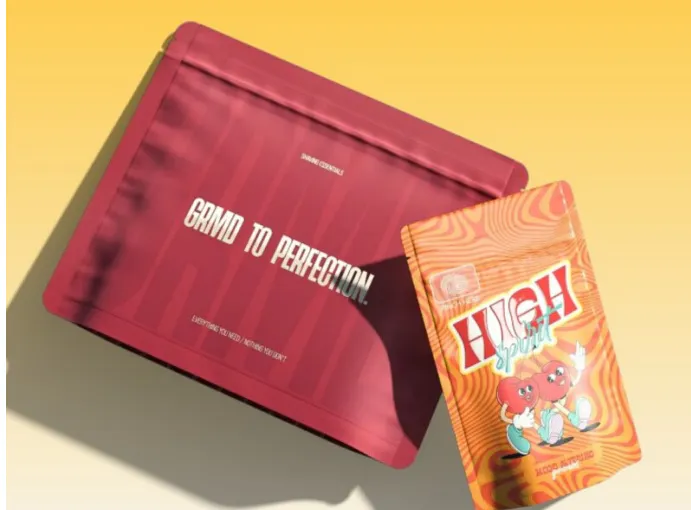
In today’s hyper-competitive retail environment, the first impression your product makes is often the only one that counts. Packaging is no longer just a functional vessel designed to hold an item; it is a critical marketing asset that tells your brand story, communicates quality, and drives consumer behavior at the point of sale. Many forward-thinking businesses are turning to custom printed flexible packaging pouches to differentiate themselves from competitors who rely on generic, uninspired designs. These versatile packaging solutions offer a unique combination of aesthetic appeal, structural integrity, and brand-specific customization that is essential for capturing the attention of modern shoppers. By integrating high-quality graphics with durable materials, brands can create an immersive unboxing experience that resonates with their target audience. As consumer preferences shift toward convenience, sustainability, and visual storytelling, selecting the right packaging partner becomes a foundational step in your overall growth strategy, ensuring your products not only survive the journey to the shelf but thrive in the minds of your customers.
The fundamental concept behind modern packaging innovation centers on the transition from rigid containers to flexible, high-performance formats. These pouches are engineered using advanced multi-layer film structures that provide superior protection against environmental factors like moisture, light, and oxygen, which are the primary enemies of freshness. The "why" behind this shift is simple: consumer demand for portability and ease of use? Unlike heavy boxes or glass jars, flexible packaging is lightweight, space-efficient, and incredibly durable, making it an ideal choice for a wide variety of goods ranging from gourmet snacks and organic coffee to specialized pet treats and health supplements. By utilizing custom printed flexible pouches, companies can achieve a high level of branding consistency across their entire product line. This approach not only enhances the professional appearance of the product but also significantly reduces shipping costs and warehouse footprint, allowing businesses to operate more efficiently while delivering a premium, high-impact product to the end user.
Beyond mere aesthetics, the benefits and advantages of integrating these sophisticated packaging solutions into your inventory are vast and multifaceted. One of the primary advantages is the ability to communicate key product information—such as nutritional facts, certifications, and brand mission—without cluttering the design. Because modern printing technology allows for high-definition visuals, brands can create intricate patterns, vibrant color schemes, and sharp logos that effectively communicate their unique value proposition. Furthermore, the structural design of these pouches is highly adaptive. Whether you need a resealable zipper for consumer convenience, a tear notch for easy opening, or a transparent window to showcase the quality of the product inside, these features can be customized to align perfectly with your functional requirements. This adaptability ensures that your packaging is not just a carrier but an active participant in the user’s daily routine, reinforcing brand loyalty every time the customer interacts with your product.
The practical application of these packaging solutions is evident across a wide spectrum of industries. In the food and beverage sector, for instance, maintaining the flavor and texture of a product is paramount. By choosing high-barrier laminates, businesses can significantly extend the shelf life of their goods, reducing food waste and ensuring that the customer receives the product in peak condition. In the beauty and wellness industry, the tactile experience is essential; soft-touch finishes and high-end printing provide a sense of luxury that justifies a higher price point. Retailers and distributors also benefit from the space-saving nature of these pouches, as they allow for more efficient shelf stacking and better utilization of retail square footage. By employing custom printed flexible packaging bags in their daily operations, companies can solve common logistical headaches, such as damaged shipments or inefficient storage, while simultaneously presenting a sleek, uniform, and professional face to the market that builds trust and authority within their specific niche.
A significant part of the recent shift in the packaging industry is driven by the rise of the digital printed stand up pouch, which has revolutionized the way brands handle small-to-medium production runs. In the past, traditional printing methods required massive minimum order quantities and high setup costs, making it difficult for smaller brands to experiment with new designs or seasonal promotions. Digital printing removes these barriers entirely. With no need for expensive printing plates, brands can enjoy shorter lead times and the flexibility to print multiple versions of a design for marketing tests or limited-edition runs. This technology empowers companies of all sizes to maintain agility in a fast-paced market. It allows a startup to launch with a small, test-focused batch that looks just as professional as major multinational corporations, leveling the playing field and allowing innovation to flourish in a way that was previously unimaginable in the packaging world.
When comparing modern flexible packaging to traditional methods, the differences are stark and favor the newer, more versatile approach. Traditional containers, such as plastic tubs or paper boxes, are often bulky and difficult to transport, leading to higher carbon footprints during the logistics phase. They also offer limited surface area for high-quality branding, often requiring additional labels that can peel or look unattractive over time. In contrast, flexible pouches are printed directly onto the material, providing a seamless, high-definition finish that wraps around the entire bag. When considering the price versus value analysis, it becomes clear that while the initial investment might seem comparable, the total cost of ownership—including transportation savings, increased shelf life, reduced waste, and the marketing impact of superior design—makes flexible, custom-printed options a far more cost-effective choice for modern brands. The ability to present a consistent, high-value image while lowering operational expenses is the ultimate competitive advantage.
The material and build quality of these pouches are the unseen heroes of your product’s success. Manufacturers now utilize a wide array of high-tech materials, ranging from food-grade laminates to fully recyclable or compostable films. This means that a brand no longer has to choose between durability and sustainability. You can select materials that provide an excellent moisture barrier for dry goods or light-blocking properties for sensitive ingredients, all while ensuring the pouch is robust enough to withstand the rigors of shipping and shelf handling. The sealing technology used in the production process also ensures that the pouches are airtight and leak-proof, giving the end consumer confidence in the quality and safety of the item inside. By working closely with a manufacturer who understands your specific material needs, you can ensure that your product remains protected from the moment it leaves your facility to the moment it is opened by the consumer, safeguarding your brand reputation in the process.
User experience is a critical yet often overlooked aspect of product development. The modern consumer expects convenience; they want products that are easy to store, easy to reseal, and easy to use. The rise of features like press-to-close zippers, hang holes for pegboard displays, and rounded corners for safety reflects this deep understanding of consumer needs. By collaborating with a provider who offers a wide variety of these functional add-ons, you can design a product that fits seamlessly into the lives of your target demographic. This thoughtfulness translates directly into customer satisfaction. A customer who finds your packaging convenient is significantly more likely to repeat their purchase compared to one who struggles with poor-quality, difficult-to-open containers. This cycle of satisfaction is the bedrock of long-term brand loyalty, transforming one-time buyers into dedicated brand advocates who appreciate the attention to detail you have put into every aspect of their experience.
The manufacturing process itself is a testament to technological progress. It starts with a deep consultation regarding your brand identity and the functional requirements of your product. Whether you are dealing with liquids, powders, or solid goods, the technical team will recommend the ideal film structure to guarantee stability. Once the design is finalized, the high-speed printing phase begins, where precision and color accuracy are monitored to ensure that the physical product matches your digital vision. The conversion process, where the printed film is transformed into the final pouch shape, involves precise heat sealing and cutting. Throughout this workflow, quality control protocols are strictly maintained to ensure that every single pouch meets your exact specifications. This commitment to a rigorous, professional process ensures that you receive a product that is not only visually stunning but also technically reliable, allowing you to focus on your core business goals with total peace of mind.
Market trends clearly indicate that the demand for customized, small-batch, and high-quality packaging will only continue to rise. We are currently observing a trend where consumers place a high premium on authenticity and brand transparency. Packaging that allows for clear, beautiful imagery and easy access to information helps bridge the gap between a brand’s promise and the consumer’s reality. Future developments in this sector are expected to include more interactive elements, such as smart packaging that can track freshness or provide digital coupons via embedded codes. As we move into the next decade, brands that adopt these flexible, digitally enabled solutions early will find themselves in a much stronger position. They will be better equipped to adapt to changing consumer preferences, more efficient in their supply chain management, and more resonant with the shoppers who define the success of the modern marketplace. Investing in this technology today is not just about keeping up; it is about setting the pace for your industry.
The journey toward creating the perfect packaging solution involves more than just selecting a template from a catalog. It is about strategic alignment between your product, your marketing message, and your manufacturing partner. By opting for a provider that treats your project as a unique development opportunity, you can leverage their expertise to refine your design for maximum visual impact and structural efficiency. This collaborative effort helps to mitigate common risks, such as printing errors or material incompatibility, and ensures that your final product is optimized for the shelf. Furthermore, as your business scales, a partner who can provide scalable solutions—transitioning from small-batch digital printing to larger volume runs as your sales increase—becomes an invaluable asset. This continuity of service ensures that your brand image remains consistent even as you grow, providing a stable foundation for your expansion efforts and long-term success in an ever-evolving retail landscape where appearance and performance are everything.
Maintenance and best practices for your packaging begin with proper storage and handling. While these pouches are durable, they should still be kept in a climate-controlled environment to maintain the integrity of the films and adhesives over long periods. Additionally, ensuring that your filling process is optimized for the specific type of pouch you have chosen—whether you are using manual filling or automated machinery—can help prevent damage and ensure a high seal strength. It is also wise to perform periodic testing on your packaged products, monitoring for any signs of premature aging or seal failure, especially when launching in new regions with different environmental conditions. By following these professional guidelines, you ensure that the quality you built into your design remains consistent through to the final point of sale. This commitment to detail, combined with the superior properties of modern flexible materials, provides a robust defense against the many challenges of product distribution, allowing your brand to maintain its integrity regardless of where it is sold.
The psychological impact of high-quality packaging on consumer perception cannot be overstated. When a customer picks up a product, they are making a snap judgment about its value, freshness, and the reliability of the company that made it. An expertly designed pouch feels good in the hand, looks vibrant, and conveys a sense of modern professionalism. This visual and tactile feedback loop is essential for building trust, especially for new brands or products in highly saturated categories. By focusing on the visual and structural design of your packaging, you are effectively buying yourself a seat at the table with the industry leaders. The ability to pivot quickly, refreshes designs for marketing campaigns, and maintains an impeccable, high-quality shelf presence is the hallmark of a brand that understands the game and is playing it with maximum efficiency. This is why the adoption of these modern, custom-printed solutions is not just an aesthetic choice; it is a calculated, strategic business decision.
Looking forward, the integration of sustainability and technology will define the next chapter of the packaging industry. We are seeing more companies embrace circularity, moving toward designs that are easier to recycle or made from bio-based materials. This does not mean sacrificing the aesthetic quality that custom printing provides. Rather, it creates a new opportunity for brands to highlight their commitment to the planet through their packaging choice. Consumers are increasingly using their purchasing power to support brands that align with their values, and packaging is the most visible way to demonstrate that alignment. By staying informed about new materials and printing innovations, your brand can lead the charge in creating a more responsible and attractive marketplace. This proactive stance, combined with the versatility and precision of current printing technologies, positions your company for sustained relevance and growth in a global market that is increasingly demanding both form and function from the products they purchase and the brands they support.
Here are some custom printed flexible packaging pouches available online:
1. Stand up Pouch
The stand-up pouch is a versatile and highly efficient packaging solution that remains a cornerstone for brands across various industries, from coffee and snacks to pet treats and dry goods. Its signature design features a bottom gusset that expands when filled, allowing the package to stand upright independently. This creates a billboard-like surface area on the front and back, which is invaluable for high-impact branding, eye-catching graphics, and clear communication of product benefits.
Technically, these pouches are engineered for performance. They are typically constructed from high-barrier, multi-layer laminates, such as PET, AL/VMPET, or PE, which provide a robust defense against external factors like moisture, oxygen, and UV light that can compromise product shelf life. To ensure safety and longevity, manufacturers often integrate resealable zippers or sliders, allowing consumers to easily open and close the package while maintaining freshness. For products that require gas exchange, such as freshly roasted coffee, a one-way degassing valve can be seamlessly incorporated. By combining space-saving, flat-pack logistics with an aesthetic that demands attention on the retail shelf, the stand-up pouch offers a cost-effective, durable, and highly professional solution for any brand seeking to optimize both supply chain efficiency and consumer appeal.
2. Flat Bottom Pouch
The flat-bottom pouch stands as the premium choice for modern packaging, celebrated for its unique box-like construction that merges structural rigidity with exceptional shelf presence. By utilizing a rectangular base and four side-gusseted seals, this format maintains its shape regardless of fill volume, ensuring it sits perfectly upright and flush on retail shelves. This design not only eliminates the "slouching" common in traditional pouches but also creates five distinct, continuous panels for branding, allowing for a 360-degree canvas that highlights product information, tasting notes, and high-definition imagery.
Technically, the flat-bottom pouch is a powerhouse of preservation. It is engineered from multi-layer, high-barrier laminates that provide an impenetrable defense against moisture, oxygen, and ultraviolet light, which are the primary catalysts for product degradation. When configured for specialty goods like coffee, these pouches often feature high-performance one-way degassing valves to manage internal pressure and resealable zippers to maintain freshness post-opening. Because they stack vertically with no wasted space, they offer superior logistics efficiency for warehousing and shipping. For brands prioritizing a sophisticated, high-end visual aesthetic alongside industrial-grade product protection, the flat-bottom pouch remains the industry benchmark for market-leading quality and consumer-focused utility.
3. Three Side Seal Pouch
The three-side seal pouch represents one of the most streamlined and cost-effective packaging formats, widely utilized for single-serve portions, samples, and lightweight dry goods. As the name suggests, the pouch is constructed from a single sheet of material that is folded over and sealed on three sides, with the fourth side—usually the top—left open for filling before being sealed. This design results in a completely flat, envelope-like profile that is incredibly space-efficient, making it ideal for high-volume retail displays where minimizing packaging bulk is a priority.
From a functional standpoint, the three-side seal design is highly effective at maintaining product integrity. Because it features minimal seals and an even surface, it offers fewer points of potential failure, ensuring a high-barrier seal that protects contents from moisture, oxygen, and contaminants. It is frequently manufactured using high-barrier laminates, which can be custom-printed with high-definition graphics to maintain strong brand presence despite the smaller surface area. Due to its lightweight and flat nature, this format significantly reduces shipping costs and environmental impact, making it an excellent choice for businesses looking for an economical, reliable, and functional packaging solution for retail, food service, or promotional applications.
4. Quad Seal Pouch & Side Gusset Bag
When choosing between a quad seal pouch and a side-gusseted bag, the decision depends on whether the primary goal is premium shelf impact or high-volume logistical efficiency. The quad seal pouch is defined by its four vertical corner seals, which provide a rigid, box-like architecture that remains crisp and upright regardless of the fill level. This structural integrity creates four distinct, distortion-free panels, making it the superior choice for brands prioritizing high-definition graphics and a luxury consumer experience. Because of its premium feel, it is often favored for specialty, high-end products that need to stand out on a crowded shelf.
In contrast, the side-gusseted bag, or brick pack, relies on the volume of the product to maintain its shape. While it offers a large, traditional front-facing billboard for branding, it is the ultimate workhorse for logistics. Its ability to stack perfectly flush allows for maximum density in shipping cartons and warehouses, making it highly cost-effective for large-scale distribution. While the quad seal provides an aesthetic edge for shelf dominance, the side-gusseted bag offers unmatched functional efficiency, ensuring that both choices provide the necessary high-barrier protection required for long-term product freshness.
5. Roll Stock Film Packaging
Roll stock film is the fundamental raw material used in automated high-speed packaging, consisting of large, continuous rolls of flexible laminate film. This format is the backbone of "form-fill-seal" (FFS) operations, where the film is fed into a machine that simultaneously forms the pouch, fills it with the product, and seals it. By shifting from pre-made bags to roll stock, manufacturers gain significant control over their production throughput and packaging costs, making it the preferred choice for high-volume consumer goods.
Technically, roll stock is engineered to meet specific barrier requirements tailored to the product, whether it requires protection from moisture, oxygen, light or specific gas-transmission rates for modified atmosphere packaging (MAP). The material composition—typically a multi-layer structure incorporating layers like BOPP, PET, aluminum foil, or PE—is designed for optimal heat-seal performance on high-speed equipment.
The primary advantage of roll stock is its sheer operational efficiency. It minimizes material waste, reduces storage space compared to bulky pre-made pouches, and allows for rapid product changeovers. Furthermore, it offers an expansive, continuous canvas for branding, ensuring high-quality, edge-to-edge printing that maintains visual consistency across every unit produced. For brands scaling production, roll stock represents the ultimate integration of manufacturing speed and structural integrity.
Ultimately, the choice of your packaging is a reflection of your brand's commitment to excellence. Whether you are aiming to disrupt a market with a bold new design or looking to reinforce your authority with a timeless, high-quality presentation, the tools available today make it easier than ever to achieve your goals. From the initial conceptualization and material selection to the final, high-definition output of your custom printed flexible packaging bags, every step of the process is an opportunity to strengthen your brand equity. By embracing the flexibility, efficiency, and aesthetic potential of these advanced solutions, you are securing your place in the future of retail. As you continue to innovate and refine your product offerings, remember that your packaging is the vessel that carries your promise to the consumer. Keep it strong, keep it beautiful, and keep it aligned with the high standards your customers have come to expect. Success is waiting for those who understand that in the modern retail world, the packaging is the product, and your choice today will dictate your brand’s trajectory for years to come.

