Transparency as a Strategy: The Power of Building in Public
There was a time when soon-to-be entrepreneurs would guard their ideas from prying eyes with their lives, if necessary. Not anymore, though. Today, it’s all about transparency. SaaS founders are eager to share their journey of turning an idea into a stable revenue stream while taking their community along for the ride. How is that possible? Through the now popular building in public strategy.
Even though having everything out in the open sounds like pure madness, this trend is growing in popularity. Yes, it is powerful enough to spark excitement among a growing user base, but only if it’s applied correctly. Otherwise, it could backfire horribly. So let's dive in and figure out the ins and outs, do’s and don’ts of building in public and decide whether it fits your SaaS.

What is Building in Public, and Why Do it?
Building in Public (BIP) is the practice of building a product, app, or company out in the open transparently. Founders that are into this strategy are all about sharing the behind-the-scenes struggles, learnings, wins, and, yes, failures as well.
This movement is quite a change from the secrecy in which founders used to prefer working. The so-called stealth mode means that startups would remain in a state of utter isolation from curious eyes so their idea would not be stolen. As time moved on, the benefits of BIP and open startups outweighed the risk of having an idea copied by other founders. From direct user feedback to growing a strong sense of brand authenticity and community, building in public is now the poster child of start-up development. But let’s have a closer look at the benefits involved when going fully transparent.
Why Choose BIP?
The best part of building in public is that I can stop relying on my brain. - Kevon Cheung
Yes, you read that right. Building in Public isn't a documentary people buy tickets to watch silently. It's not about you being an expert in a specific field, having the information advantage and showcasing your knowledge.
It’s about being you -real and authentic - setting off on one of your greatest journeys and getting insights and feedback from your target audience, whether this is made up of your potential customers or interested, like-minded entrepreneurs.
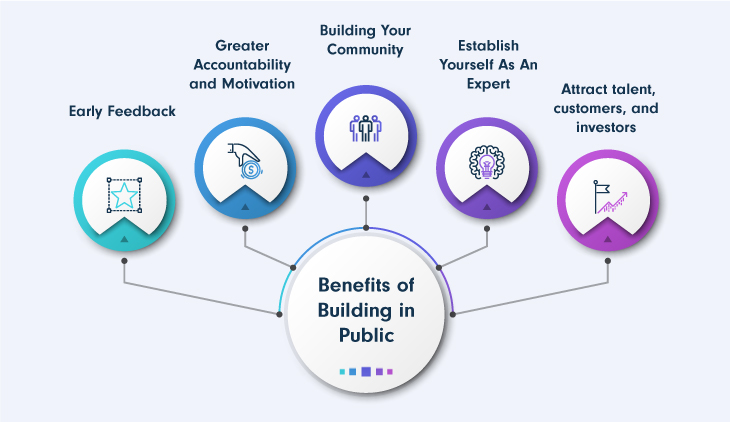
Early Feedback. When you are first-hand involved in developing a product, it can be difficult to notice usability issues. That’s when BIP comes in handy. Because when you are using open communication channels with both your potential customers and other SaaS founders, you obtain fresh perspectives, leading to less wasted time and, above all else, better-functioning products.
Greater Accountability and Motivation. Building products is tough. The journey can be a long one, and oftentimes, founders do get lost. When you share your progress publicly, a sense of accountability takes hold of you. The fact that others are watching your journey makes you stay motivated and committed to achieving your goals.
Building Your Community. The so-called “Building in Public” strategy fosters the growth of support groups and communities made up of loyal followers who will turn into paying customers and hopefully brand ambassadors. Establishing connections the right way, involving your potential users in your journey, and asking for feedback and recommendations builds trust in your product.
Establish Yourself As An Expert. You might not be an expert when you start your build-in public journey, but you will be by the time you finish. Recognition comes faster if you are operating within a niche. The more visibility you gain, the greater your reputation will be. And putting modesty aside, with an expert status come serendipitous opportunities, anything from possible collaborations to speaking engagements and partnership opportunities are all feasible.
Attract talent, customers, and investors. Investors, clients, employees, and collaborators highly appreciate transparency, and building in public revolves around this concept. Plus, the more exposure you obtain, the more people will want to join your project. Customers providing feedback will feel like they are part of the product creation process and will be eager to invest in it. Partners and investors will want to be involved in your product and transparency breeds trust, which strengthens business relationships.
10 Successful Examples of Building in Public
Since real-life examples are the best form of strategy validation, here are founders who have put the BIP technique to work successfully.
- Buffer By Joel Gascoigne. Joel Gascoigne, together with the Buffer team, completely embraced the building in public strategy, and the result was well worth their entrepreneurial journey. They shared their product roadmap, regularly requested user feedback, and published blog posts about the lessons learned.
- CopyAI By Paul Yacoubian & Chris Lu. In 2020, CopyAI was launched on Twitter. Since its launch, this marketing tool has managed to skyrocket, hitting $157,000 + MRR. The entire journey was followed by a close community throughout the building in public strategy deployment.
- ConvertKit by Nathan Barry. Since 2013, when ConvertKit was created, Nathan Barry has been refreshingly open about his journey, exactly as one would expect from the company’s founder going the build-in public road. With an MRR of $ 2,464,976, the company has shared insights and growth metrics in a number of ways, from podcasts to blog posts and interviews.
- Potion By Noah Bragg. Considering the no-code hype that’s taken over the world right now, it doesn’t surprise anyone that a no-code site builder for Notion users would hit some pretty impressive milestones. When Noah Bragg started their building in public journey, the goal was clear: sharing knowledge while making a profit. With Potion making $5K in MRR and a number of stories to document the journey, it would seem that this site-builder has achieved both goals.
- Ghost By John O’Nolan. Ghost, the open-source publishing platform allowing users to create and manage their websites and blogs, was launched in 2013 by John O’Nolan, using the BIP strategy. The team has been very open about product development, sharing updates on their blog or social media channels and even involving the community in the decision-making process.
- Web3Jobs By Andrey Azimov. Andrey Azimov used the BIP technique to create their online job-hunting platform, Web3Jobs. This very niche platform connects Web3 experts with startups and companies seeking their services.
- Sales. co by Jakob Greenfeld. Jakob Greenfeld is a dedicated entrepreneur and tech founder that has launched Sales. co, a platform using cold emails to obtain SaaS meetings for interested clients. Happy to share his business insights and journey into building amazing products, Jakob Greenfeld created a newsletter and blog definitely worth following.
- EverythingMarketplaces by Mike Williams. Created in 2020, EverythingMarketplaces is now the go-to place for marketplaces founders and teams. Mike Williams is behind this successful platform, using the building in public approach to document the making process.
- Trello by Joel Spolsky and Michael Pryor. Trello, the very popular project management tool allowing users to organize and collaborate on tasks, was founded using the building in public strategy. As a matter of fact, today, Trello supports founders that wish to take the same road through different dedicated features.
- **Nomad List **by Pieter Levels. Nomad List is a hugely popular platform that offers information and resources for digital nomads, including everything from city guides to community forums. Its founder, Pieter Levels, documented the entire creation process - sharing updates, revenue numbers, and even challenges faced and solutions.
Building in Public 101: The Pieces of Puzzle
Just like any other successful launch plan for a new product, building in public has its own set of rules. Because this strategy revolves more around who you are as a founder and the personal journey you’ve embarked on, the build-in-public game only has two fundamental rules: the content and the channels you use to share it. So, let’s uncover the secrets of efficient building in public.
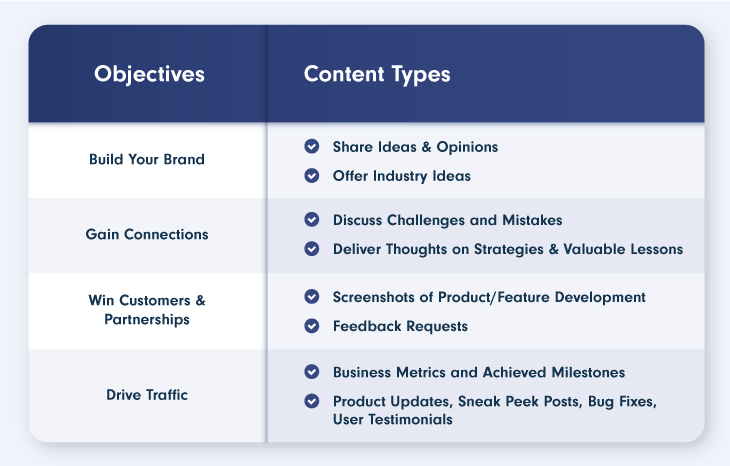
1. Mind Your Content
Before we move on to describing what kind of content is generally used in this approach, we need to mention an extra step. Your compass on this transparent journey needs to be your ultimate goal. Figure out what you want to achieve by creating a building in public campaign, and only after, decide on the content type you want to share and the channel to share your thoughts.
2. Choose Your Channels Wisely
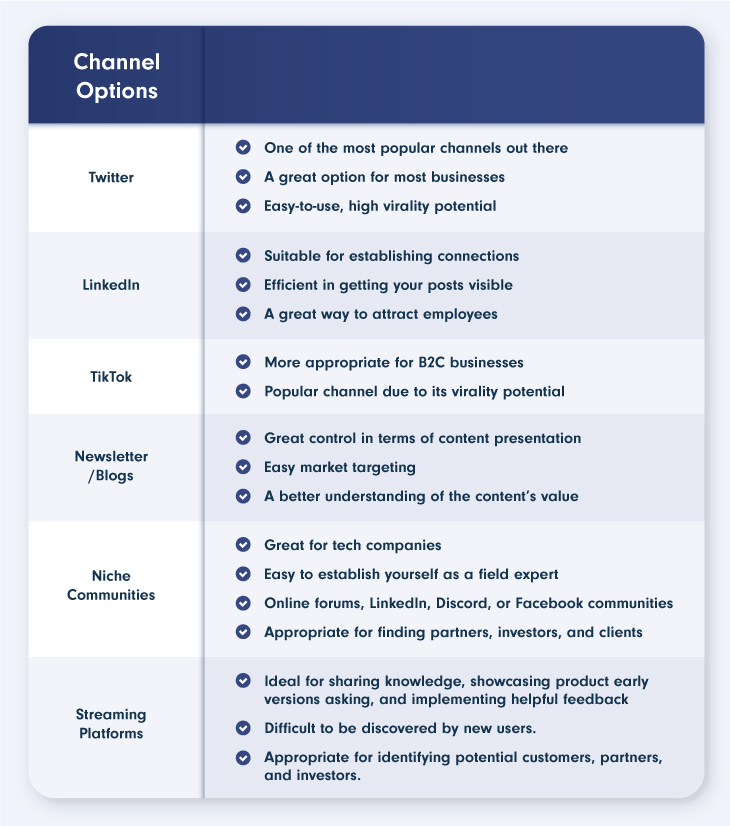
Because of the popularity of this strategy, founders have an abundance of tools ready to empower their BIP efforts. Of course, one, in particular, stands out, and that is Twitter, specifically Twitter threads, but there are others worth using too.
No matter how tempted you might be to make use of all of them, try to refrain from doing that. Achieving channel fit is what matters here - both founder and market.
So, after you’ve gotten to know your options, focus on:
-
The type of content you are most comfortable with ( building in public is a long-term effort, so you need to be able to create powerful content in a professional manner).
-
The channel you believe fits your business and audience best.
Discover the dos & don’ts of building in public on PayPro Global's Blog.
