Tunnel Greenhouse Grow Tents in Canadian Agriculture and Light Industrial UseIntroduction: Canadian Context and Practical Importance
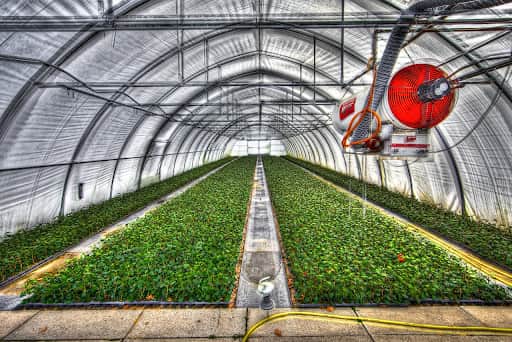
Agricultural production in Canada is shaped by short growing seasons and variable weather conditions. Farmers, small operators, and even logistics professionals managing plant-based inventory require controlled environments to maintain consistent output. Tunnel greenhouse grow tents provide a practical solution by extending growing periods and protecting crops from external conditions.
In both rural and semi-urban settings, these structures are used not only for farming but also for storage of sensitive materials and staging of plant-related logistics operations. Their flexibility makes them relevant across multiple sectors.
Applications and Use Cases
Tunnel greenhouse grow tents support a range of agricultural and operational needs:
Season extension for vegetable and plant cultivation
Seedling propagation and nursery management
Protection of crops from wind and precipitation
Temporary storage for agricultural supplies
Controlled environments for small scale production
These use cases demonstrate how controlled structures can improve reliability in agricultural workflows.
Efficiency, Safety, and Productivity
Efficiency in agriculture depends on maintaining stable conditions for plant growth. Tunnel greenhouse systems help regulate temperature and airflow, which supports consistent crop development.
Reduced crop loss due to weather exposure
Improved control over growing conditions
Better use of limited growing seasons
Increased predictability in output
From a safety perspective, organized growing spaces reduce hazards associated with scattered tools and unstable working areas.
Technical Foundations and Capability Considerations
Tunnel greenhouses typically consist of a steel frame covered with polyethylene or similar materials. Roll-up windows and ventilation openings are key features that allow airflow control.
Important technical considerations include:
Frame strength and resistance to environmental stress
Cover material durability and light transmission
Ventilation design for airflow management
Size and layout based on production needs
These elements determine how effectively the structure supports plant growth and operational use.
Factors Affecting Performance
Performance depends on environmental and operational factors:
Sunlight availability and seasonal variation
Temperature control and ventilation practices
Soil quality and irrigation methods
Maintenance of structural components
Proper management of these factors is necessary for achieving consistent results.
Safety Considerations and Best Practices
Safe use of greenhouse structures requires attention to both environmental and operational risks.
Secure anchoring to prevent movement in strong winds
Regular inspection of frame and cover materials
Proper ventilation to avoid heat buildup
Safe storage of tools and equipment
Clear walkways to reduce trip hazards
These practices help maintain a safe and stable working environment.
Equipment, Tools, and Accessories
Tunnel greenhouse systems can be supported with additional equipment:
Irrigation systems for consistent watering
Temperature monitoring devices
Shelving and plant supports
Ground covers for moisture control
These tools improve operational efficiency and support better crop outcomes.
Advantages and Limitations
Advantages include:
Extended growing seasons in cold climates
Flexible installation and relocation
Lower cost compared to permanent greenhouses
Limitations include:
Limited insulation in extreme cold
Dependence on manual environmental control
Wear over time due to weather exposure
Real-World Example
A small agricultural operator in Ontario implemented a tunnel greenhouse grow tent to extend the vegetable growing season. By using controlled ventilation and irrigation, the operator increased yield consistency and reduced losses caused by early frost. The structure also supported better planning of harvest cycles.
Conclusion and Future Trends
Tunnel greenhouse grow tents provide a practical and adaptable solution for agriculture and related operations in Canada. Their ability to create controlled environments supports productivity and reduces risk.
Future trends may include improved materials, better environmental monitoring systems, and integration with data-driven farming methods. These developments are expected to support more efficient and sustainable agricultural practices.
For further technical details, professionals may refer to resources such as Tunnel Greenhouse Grow Tent, which provide additional information on design and usage.

