Understanding Modern Roof Tiling Trends in Melbourne
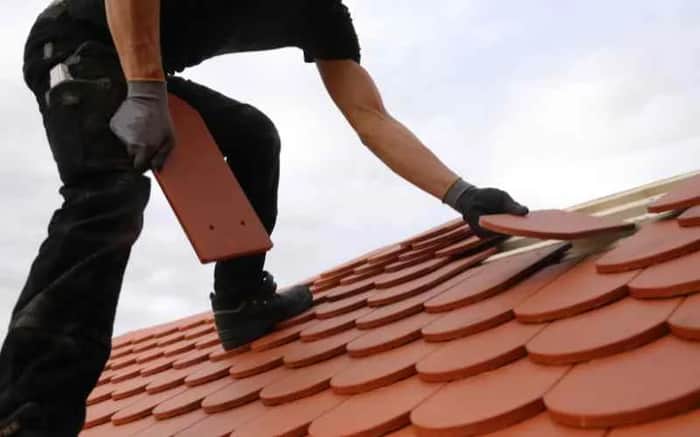
The roof over your head does far more than keep out the rain. It provides structural safety, improves thermal efficiency, and defines the visual character of your home. In a city known for unpredictable weather shifts, choosing the right material and design is a major decision for any property owner.
When planning an upgrade or installation, working with skilled professionals makes a significant difference. You can learn more about high-quality local workmanship by visiting roof tilers. Making an informed choice helps ensure your property remains protected and visually appealing for decades.
Key Aspects of Contemporary Roof Tiling
Modern roof construction relies heavily on two primary tile materials: concrete and terracotta. Each material brings unique functional properties to residential architecture.
Concrete options are highly valued for their strength and adaptability. These tiles harden with age, providing excellent resistance to heavy winds and impact. They are available in a vast array of shapes and profiles, allowing them to match both period homes and contemporary structures.
Terracotta tiles, crafted from natural fired clay, offer a timeless appearance. Their most notable feature is colorfastness. Because the color is baked directly into the clay, it will not fade from exposure to intense sunlight or coastal salt air.
The Benefits of Professional Roof Tiling
Investing in a premium tiled roof provides distinct long-term advantages for a household.
Thermal Management
Tiles possess high thermal mass. This means they absorb and store heat slowly during the day and release it at night. This natural process helps keep indoor spaces cooler during peak summer days and retains warmth during winter, lowering pressure on cooling and heating systems.
Acoustic Performance
Heavy rain and hail can create substantial noise on thin roofing materials. The density of concrete and clay tiles acts as a natural sound barrier, ensuring a quieter indoor living environment.
Fire Resistance
Both clay and concrete are non-combustible materials. This property is crucial for homes located near bushfire-prone zones, offering a vital layer of defense against airborne embers.
Longevity
A correctly installed tiled system can easily last half a century. Unlike alternative materials that may rust or corrode over time, high-quality tiles remain structurally sound for decades.
Common Tiling Challenges and Solutions
While the advantages are clear, managing a tiled roof requires an understanding of specific structural demands and maintenance needs.
Structural Weight Requirements
Tiles are significantly heavier than metal sheeting. A standard timber frame must be engineered to support this load safely. When shifting from a lighter material to tiles, a structural inspection is necessary to determine if additional reinforcement is required.
Water Management and Leak Prevention
Over time, shifts in the ground or extreme weather can cause individual tiles to crack or displace. Water ingress often occurs if the underlying sarking—a protective membrane layer—is damaged. Regular inspections allow property owners to replace damaged pieces before water reaches the ceiling timber.
Ridge Capping Maintenance
The tiles along the peaks of a roof are held in place by mortar and pointing material. Traditional cement mortar cracks over time due to natural building movement. Modern installations utilize flexible pointing compounds that expand and contract without breaking, securing the ridge caps far more effectively.
Current Industry Trends
Roofing designs are moving away from traditional styles toward options that balance environmental care with clean visuals.
Minimalist Profiles
Flat, slate-look profiles are growing rapidly in popularity. Homeowners are moving away from heavy, wavy profiles in favor of sleek, uniform surfaces that complement modern, minimalist home designs.
Cool Roof Coatings
Reflective coatings are becoming a standard addition during restorations. These specialty coatings are designed to reflect a high percentage of solar radiation. By preventing heat absorption, they keep the structural space beneath the roof cooler.
Earthy and Neutral Tones
Color trends are shifting toward natural palettes. Coastal greys, muted charcoal, and warm terracotta tones are highly favored. These shades blend smoothly with natural landscapes and modern suburban environments without looking dated.
Final Thoughts
A tiled roof is a long-term investment in the safety, comfort, and value of a property. Selecting the right materials and addressing structural needs early prevents expensive repairs down the track. By keeping up with modern installation standards and choosing durable options, you ensure your home stays protected against changing weather patterns.
